Costa Botes Movies, TV Shows, and Filmography
Costa Botes
Directing
Biography
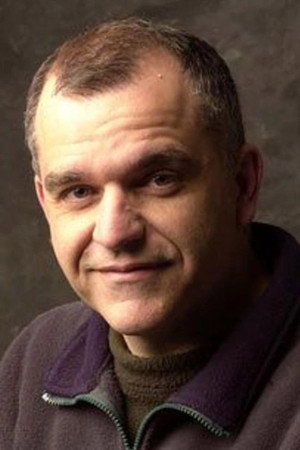
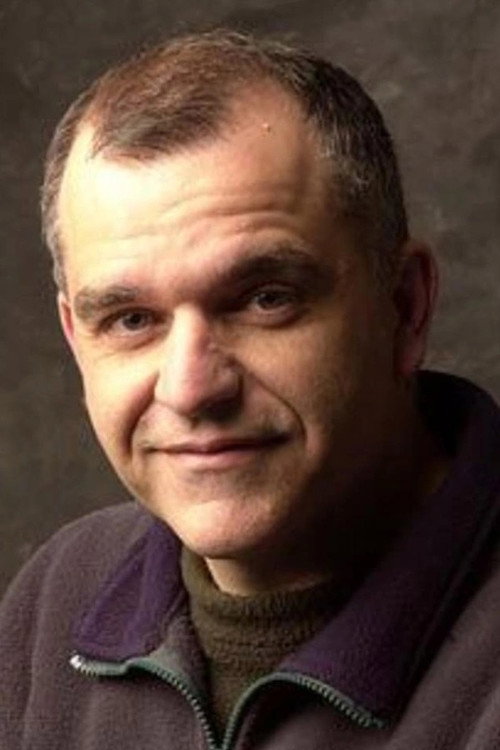
Costa Botes has been an independent film-maker in New Zealand since the early 1980s. His short film Stalin’s Sickle won the jury prize at the Clermont-Ferrand Short Film Festival in 1988. Forgotten Silver, a mock-documentary co-written & co-directed with Peter Jackson in 1995 created a national sensation in 1995. It won a special critics prize at the Venice Film Festival, and has become a cult favourite worldwide. Costa’s first feature film, Saving Grace (1997), was selected for competition at Valladolid, Asia-Pacific, and Fantasporto Film Festivals. He documented the making of Peter Jackson’s epic trilogy Lord of the Rings trilogy from 1999 to 2003 with a matching trio of feature length documentaries. These were released in a limited edition DVD box set in 2006, and later included in the definitive blu-ray collection released in 2011. Costa established his own production company, Lone Pine Film & TV Productions in 2005 to make independent documentaries. These have included Struggle No More (2006), a biography of NZ’s greatest unknown band, and Yes That’s Me (2008) about a blues musician with manic depression. He photographed, produced and edited the documentary, Lost In Wonderland in 2009, mentoring its young director, Zoe McIntosh. This premiered at the NZ Film Festival and won awards for photography and best documentary the following year at the Qantas NZ Film & TV Awards. Costa wrote and produced another film for Zoe, a 35mm short called Day Trip (2010). This was selected to screen at numerous international festivals including Tribeca, Clermont Ferrand, and Hawaii. It won the Signis Award at Espression En Corto in Mexico, and best short film at the Montreal First Peoples Film Festival. Costa's next documentary feature, Candyman: The David Klein Story (2010), was about the eccentric American candy genius who invented Jelly Belly jellybeans. It premiered at Slamdance and Hot Docs in 2010, and won the Director’s Choice best documentary award at the Rincon Puerto Rico Film Festival. He followed this with two documentary features: Daytime Tiger (2011), a film about mania; and The Last Dogs of Winter (2012), about a man fighting to preserve rare Inuit sled dogs from extinction. The Last Dogs of Winter had its world premiere as an official selection at the Toronto International Film Festival. Act of Kindness (2015), a documentary about a young New Zealander’s experiences in post-Genocide Rwanda won the Best Editing award at the Melbourne Documentary Film Festival. Costa also wrote and executive produced another short dramatic film for director Zoe McIntosh. The World in Your Window (2017) has screened at many top international festivals and won awards at Clermont-Ferrand, Tokyo, Melbourne, FlickerFest, Vancouver, Prague and Tahiti. His most recent work, Angie (2018) premiered at the NZ International Film Festival. It was described by one critic as a “deep, dark, daring wonder”. Another critic wrote, “Costa Botes has been making films for over 30 years: ANGIE is his best yet. He has always had a deft hand when it comes to emotional material. He has the ability to melt into the beautifully framed background and let the subjects speak, his flawless editing weaving a narrative spell”.
Filmography Movies
Acting
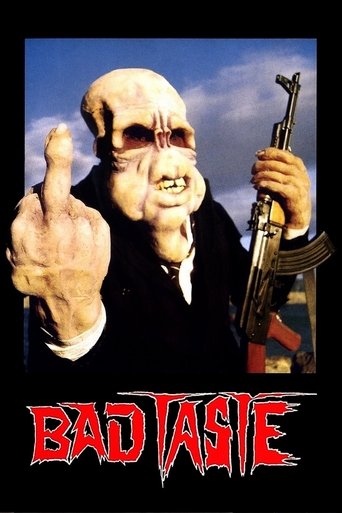
Bad Taste
A team from the intergalactic fast food chain Crumb's Crunchy Delights descends on Earth, planning to make human flesh the newest taste sensation. After they wipe out the New Zealand town Kaihoro, the country’s Astro-Investigation and Defense Service (AIaDS) is called in to deal with the problem. Things are complicated due to Giles, an aid worker who comes to Kaihoro the same day to collect change from the residents. He is captured by the aliens, and AIaDS stages a rescue mission that quickly becomes an all-out assault on the aliens’ headquarters.
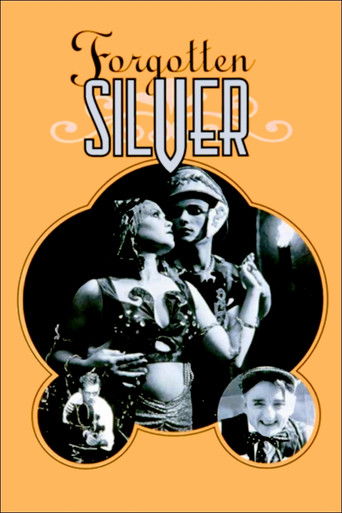
Forgotten Silver
The life story of Colin McKenzie, a forgotten pioneer of international cinema who was born in rural New Zealand in 1888.
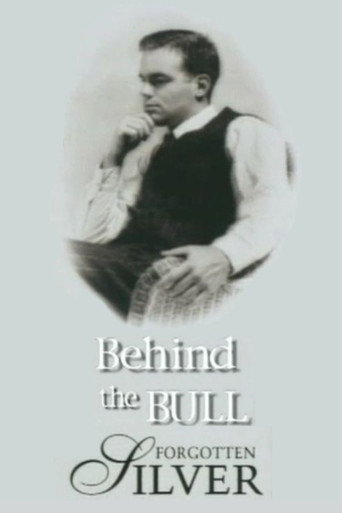
Behind the Bull
When Forgotten Silver — the story of pioneer filmmaker Colin McKenzie — unspooled on 29th October 1995, in a Sunday TV slot normally reserved for drama, many believed the fable was fact. Controversy ensued as a public reacted (indignant, thrilled) to having the wool pulled over their eyes. Costa Botes, who originated the mockumentary, later made this doco, looking at the construction of McKenzie's epic, tragic, yet increasingly ridiculous story. He interviews co-conspirator Peter Jackson and other pranksters, and they muse on the film's priceless impact.
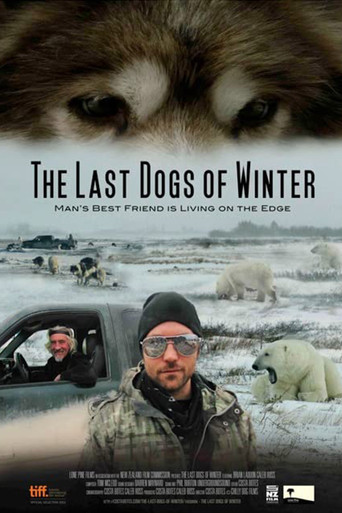
The Last Dogs of Winter
Costa Botes takes us far, far north of his native New Zealand for this magical documentary about man's four-legged friends. Brian Ladoon is an eccentric, lone-wolf Canadian who has dedicated his life to saving the extinction-threatened Qimmiq - a species of canine used by local Inuits for centuries as hunting-hounds but now abandoned in favour of motorised skidoos. The snowy wilds of remote northern Manitoba make for a stirringly picturesque backdrop for footage of the rugged but irresistibly cute Qimmiq, not to mention the polar bears who occasionally amble by. Doing their best to make an impact among such furry scene stealers are the crustily ornery Ladoon and his unflappably laid-back younger Kiwi assistant, former teen-TV pinup Caleb Ross.
Production
Forgotten Silver
The life story of Colin McKenzie, a forgotten pioneer of international cinema who was born in rural New Zealand in 1888.
Forgotten Silver
The life story of Colin McKenzie, a forgotten pioneer of international cinema who was born in rural New Zealand in 1888.
The Making of 'The Fellowship of the Ring'
A behind-the-scenes documentary on the making of 2001's "The Lord of the Rings: The Fellowship of the Ring." Created by filmmaker Costa Botes, personally selected by director Peter Jackson, this documentary uses raw footage to reveal the inside story on how the greatest adventure film franchise was born.
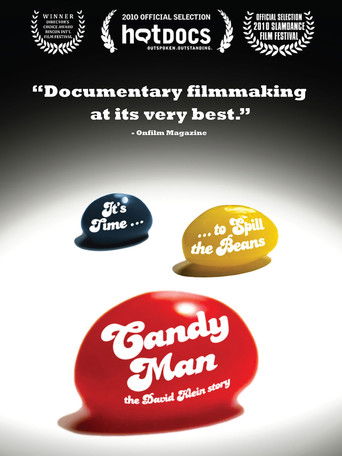
Candyman: The David Klein Story
Candyman tells the amazing true story of David Klein, an eccentric candy inventor from LA, who came up with the concept of Jelly Belly jellybeans. These colorful beans became a pop culture phenomenon, revolutionized the candy industry and were personally endorsed by Ronald Reagen. However, David's eccentric personality and peculiar sense of business led him to leave Jelly Belly just as it was about to explode and grow into a billion dollar enterprise. Is there room for eccentric genius in the modern corporate world? The film tells how Klein may have lost his beans, but kept his soul.
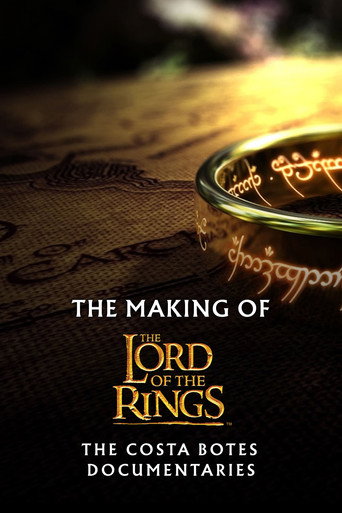
The Making of The Lord of the Rings Collection
Created by filmmaker Costa Botes (personally selected by Peter Jackson), this documentary uses raw footage to reveal the inside story on how the greatest adventure film franchise was born. Originally included as a bonus feature with "The Lord of the Rings - Limited Edition" DVD sets, later rarely released again.
The Last Dogs of Winter
Costa Botes takes us far, far north of his native New Zealand for this magical documentary about man's four-legged friends. Brian Ladoon is an eccentric, lone-wolf Canadian who has dedicated his life to saving the extinction-threatened Qimmiq - a species of canine used by local Inuits for centuries as hunting-hounds but now abandoned in favour of motorised skidoos. The snowy wilds of remote northern Manitoba make for a stirringly picturesque backdrop for footage of the rugged but irresistibly cute Qimmiq, not to mention the polar bears who occasionally amble by. Doing their best to make an impact among such furry scene stealers are the crustily ornery Ladoon and his unflappably laid-back younger Kiwi assistant, former teen-TV pinup Caleb Ross.
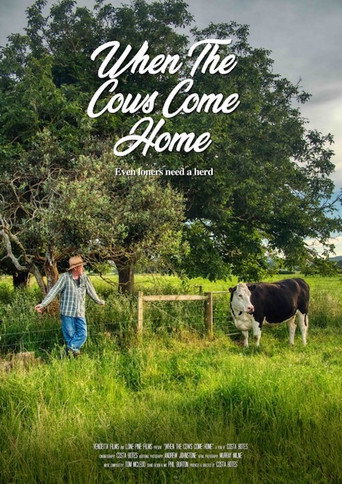
When the Cows Come Home
When the Cows Come Home introduces audiences to Tilly and Maggie, a pair of cows that musician, journalist, artist and cow whisperer, Andrew Johnstone has befriended and subsequently saved from slaughter. The garrulous herdsman is enthusiastic to expound his views on animal husbandry, bovine communication and the vagaries of life in general, before the film walks us back through the events that have shaped the singular farmer-philosopher. From personal family tragedy to warring with Catholic school authorities, innovating in Hamilton’s nascent music scene to creating guerrilla art installations; Johnstone’s life has had a truly idiosyncratic trajectory. Mental health issues may have seen him retreat to life on the farm, but the film makes clear its subject’s restless inquisitiveness is far from being put out to pasture.
When the Cows Come Home
When the Cows Come Home introduces audiences to Tilly and Maggie, a pair of cows that musician, journalist, artist and cow whisperer, Andrew Johnstone has befriended and subsequently saved from slaughter. The garrulous herdsman is enthusiastic to expound his views on animal husbandry, bovine communication and the vagaries of life in general, before the film walks us back through the events that have shaped the singular farmer-philosopher. From personal family tragedy to warring with Catholic school authorities, innovating in Hamilton’s nascent music scene to creating guerrilla art installations; Johnstone’s life has had a truly idiosyncratic trajectory. Mental health issues may have seen him retreat to life on the farm, but the film makes clear its subject’s restless inquisitiveness is far from being put out to pasture.
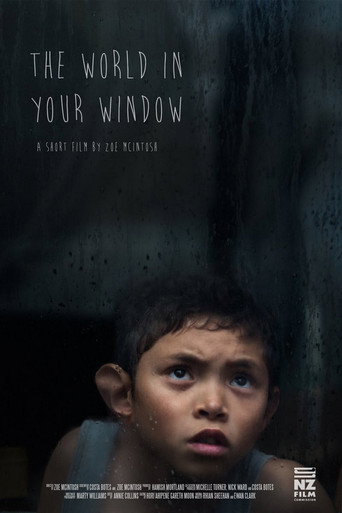
The World In Your Window
Eight-year-old Jesse lives in a twilight world of sadness and silence, squeezed into a tiny caravan with his grief stricken father. They're in limbo, existing more than living. The child intuitively understands that looking forward is harder than looking back, and that's where life happens. But they are stuck, until an accidental friendship with a V8 driving transsexual unlocks the means for Jesse to liberate his father and himself.
The World In Your Window
Eight-year-old Jesse lives in a twilight world of sadness and silence, squeezed into a tiny caravan with his grief stricken father. They're in limbo, existing more than living. The child intuitively understands that looking forward is harder than looking back, and that's where life happens. But they are stuck, until an accidental friendship with a V8 driving transsexual unlocks the means for Jesse to liberate his father and himself.
Gallery