Clemens Klopfenstein Movies, TV Shows, and Filmography
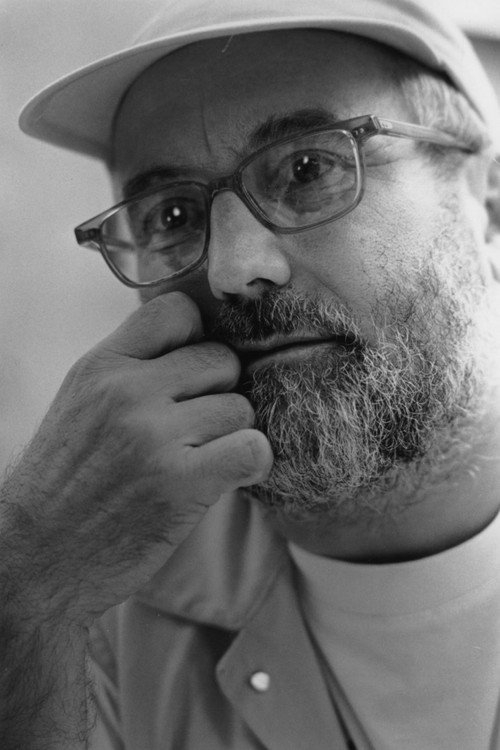
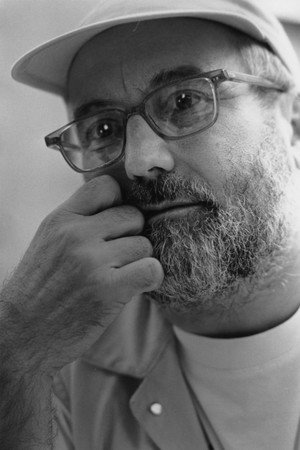
Clemens Klopfenstein
Directing
Biography
No biography available.
Filmography Movies
Production

City Life
A kaleidoscopic panorama of the world. A visual anthology of twelve short stories by twelve innovative directors from all over the world.
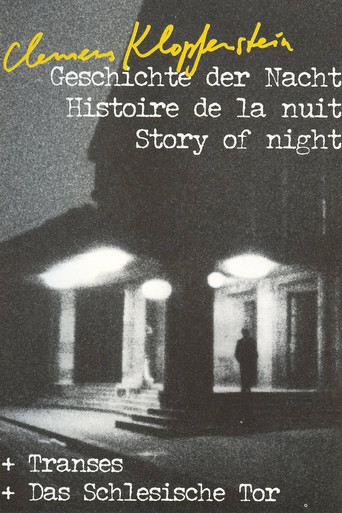
Story of Night
It’s a black-and-white record of European cities in the dark (2-5am), from Basle to Belfast. Quiet, and meditative, what emerges most strongly is an eerie sense of city landscapes as deserted film sets, in which the desolate architecture overwhelms any sense of reality. The only reassurance that we are not in some endless machine-Metropolis is the shadow of daytime activity: a juggernaut plunging through a darkened village, a plague of small birds in the predawn light. The whole thing is underscored by a beautiful ‘composed’ soundtrack, from quietly humming streetlights to reggae and the rumble of armoured cars in Belfast. A strange and remarkable combination of dream, documentary and science-fiction.
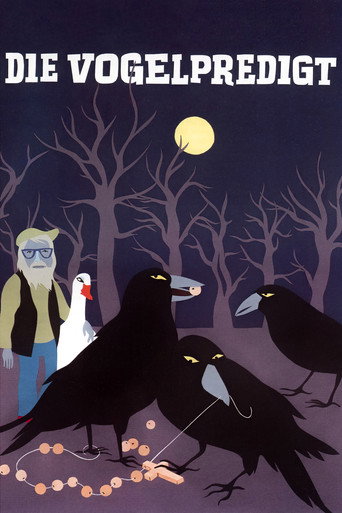
St. Francis Birds Tour
A daft road movie about two aging thesps in search of Klopfenstein himself.
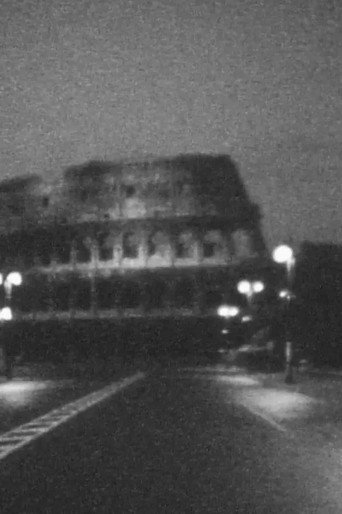
The Roman Light Filmed by Ferraniacolor
The return of juvenilia! Shots of Rome circa 1973 on splendid Ferraniacolor reversal stock, developed years later and then lost, that somehow survived the decades. Half a century and some digital editing later, this footage is a piece of cinehypnotica that is at once visionary and soothing.
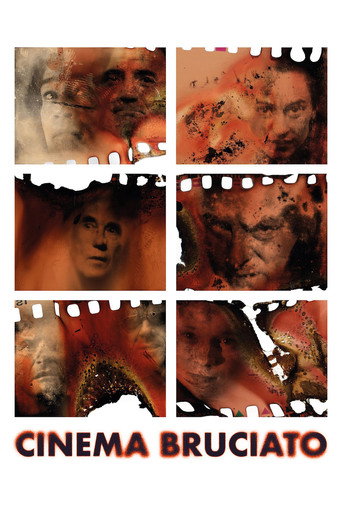
Cinema Bruciato
In the film, Klopfenstein portrays a metaphorical renovation of the burned-down church of his past in and with cinema. As tools, he merely has his computer and files of his own films, as well as masses of faces long gone and places razed from memory. One drifts deliciously with Klopfenstein through a super-edit of his own oeuvre, removed from established modes of this type of filmmaking and instead functioning in an intimate and poignant expression, where fleeting gestures can unleash avalanches of unexpected memories.
Story of Night
It’s a black-and-white record of European cities in the dark (2-5am), from Basle to Belfast. Quiet, and meditative, what emerges most strongly is an eerie sense of city landscapes as deserted film sets, in which the desolate architecture overwhelms any sense of reality. The only reassurance that we are not in some endless machine-Metropolis is the shadow of daytime activity: a juggernaut plunging through a darkened village, a plague of small birds in the predawn light. The whole thing is underscored by a beautiful ‘composed’ soundtrack, from quietly humming streetlights to reggae and the rumble of armoured cars in Belfast. A strange and remarkable combination of dream, documentary and science-fiction.
Story of Night
It’s a black-and-white record of European cities in the dark (2-5am), from Basle to Belfast. Quiet, and meditative, what emerges most strongly is an eerie sense of city landscapes as deserted film sets, in which the desolate architecture overwhelms any sense of reality. The only reassurance that we are not in some endless machine-Metropolis is the shadow of daytime activity: a juggernaut plunging through a darkened village, a plague of small birds in the predawn light. The whole thing is underscored by a beautiful ‘composed’ soundtrack, from quietly humming streetlights to reggae and the rumble of armoured cars in Belfast. A strange and remarkable combination of dream, documentary and science-fiction.
Cinema Bruciato
In the film, Klopfenstein portrays a metaphorical renovation of the burned-down church of his past in and with cinema. As tools, he merely has his computer and files of his own films, as well as masses of faces long gone and places razed from memory. One drifts deliciously with Klopfenstein through a super-edit of his own oeuvre, removed from established modes of this type of filmmaking and instead functioning in an intimate and poignant expression, where fleeting gestures can unleash avalanches of unexpected memories.
Cinema Bruciato
In the film, Klopfenstein portrays a metaphorical renovation of the burned-down church of his past in and with cinema. As tools, he merely has his computer and files of his own films, as well as masses of faces long gone and places razed from memory. One drifts deliciously with Klopfenstein through a super-edit of his own oeuvre, removed from established modes of this type of filmmaking and instead functioning in an intimate and poignant expression, where fleeting gestures can unleash avalanches of unexpected memories.
Cinema Bruciato
In the film, Klopfenstein portrays a metaphorical renovation of the burned-down church of his past in and with cinema. As tools, he merely has his computer and files of his own films, as well as masses of faces long gone and places razed from memory. One drifts deliciously with Klopfenstein through a super-edit of his own oeuvre, removed from established modes of this type of filmmaking and instead functioning in an intimate and poignant expression, where fleeting gestures can unleash avalanches of unexpected memories.
Gallery