Acting
Clarice Niskier (Rio de Janeiro, September 12, 1959) is a Brazilian actress.
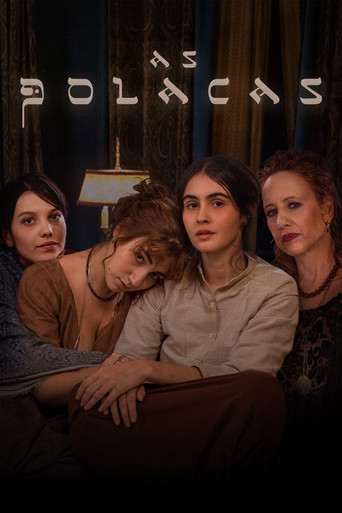
In 1917, Rebeca flees from hunger and war in Poland and arrives in Brazil to reunite with her husband and start a new life. In Rio de Janeiro, she discovers that her husband has died and ends up being held hostage by a large prostitution and women trafficking ring, led by the ruthless Tzvi. Rebeca transgresses her own beliefs and finds allies who are experiencing the same drama. Together, they decide to fight for freedom.
Four actresses in their mid-forties get together in the afternoon to write a play about their own experiences. But the director isn't satisfied with the outcome.
In Rio de Janeiro, at the end of the millennium, a group of mostly middle-aged friends share their lives and experiences with each other.
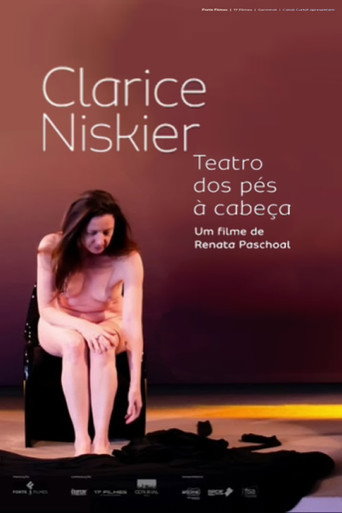
The documentary explores Clarice Niskier’s process of adaptation of the bestselling book, “A Alma Imoral”, by Rabbi Nilton Bonder to the hit play that’s been onstage for over 15 years.
Maria Auxiliadora is a 24 year-old woman very poor, that she lives Joana, her 7 year-old daughter close to. Needing go look for the result of Joana's exam in the hospital, Maria asks the priest of the local church that takes care of her to return. In spite of Joana's insistence to go with the mother Maria insists that she is with the priest, because she distrusts that her daughter suffers of a serious disease. To entertain the girl while it awaits the mother's return, the priest decides to tell her a mother's history that dedicated her life to the son: Mary, mother of Jesus Christ.
Ney and Marcos share an apartment, the passion for music and for the same girl until time tears them apart. A few years later they meet again reviewing their attitudes, emotions and memories.
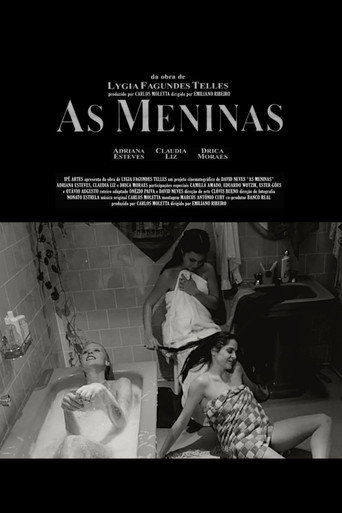
During the military dictatorship in Brazil, Lorena, Lia and Ana Clara, three university students of different social backgrounds and origins meet at a nun's pension in São Paulo. Besides their differences, they become close friends, sharing their dramas and dreams, helping each other until the day they have to separate permanently.
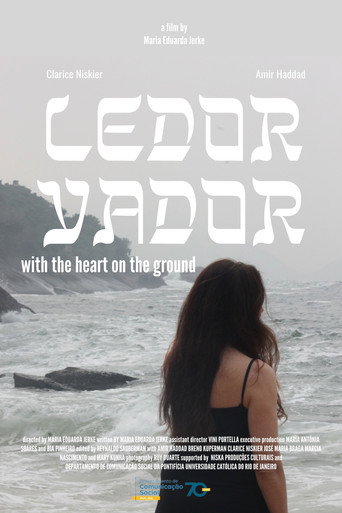
The documentary is a tribute to Theater based on the trajectory of Clarice Niskier who made her job her own lifestyle. As a central axis, interviews with the three directors with whom Clarice developed long partnerships: Domingos Oliveira, Eduardo Wotzik and Amir Haddad. Through an intimate and sensitive look, the film reveals her passion for the craft, her life experience, her poetic worldview, her spiritual and intellectual search, pains, joys, losses and gains. Clarice makes the black box the more than perfect symbol of her own Universe: the Theater.