Directing
No biography available.
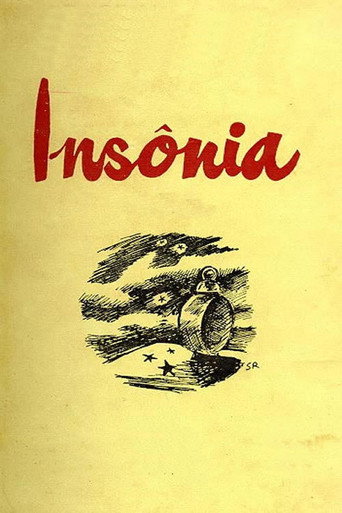
A three-episode anthology film based on short stories by Brazilian writer Graciliano Ramos.
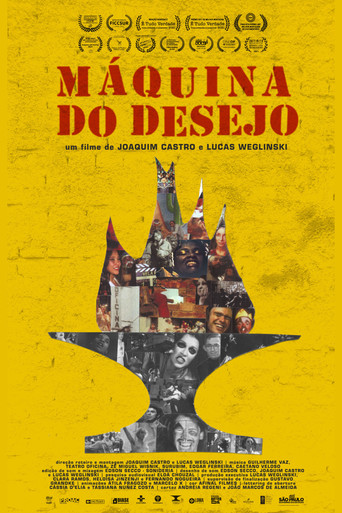
In six decades, Teatro Oficina has done more than revolutionize theatrical language in the country: the aesthetic influence of José Celso Martinez Corrêa's company extends from Tropicalism to the renewal of Brazilian audiovisual languages from the 1960s onwards. The film revisits a story that it involves personalities such as Caetano Veloso, Glauber Rocha, Lina Bo Bardi, Chico Buarque and Zé do Caixão, brings together scenic art, ecology, architecture and sexuality, and mixes art and life in the search for a Brazilian based language.
Filming of the historical montage of Oswald de Andrade's play, where decadent millionaires, depraved children, corrupt and implacable capitalists are the characters interpreted by the Grupo Oficina, in a celebrated theatrical performance from 1967, fundamentally recorded in 1971 and released only in the 1980s.
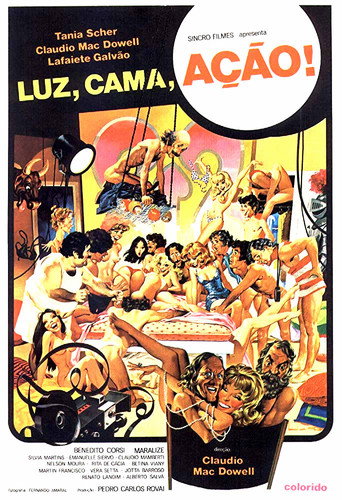
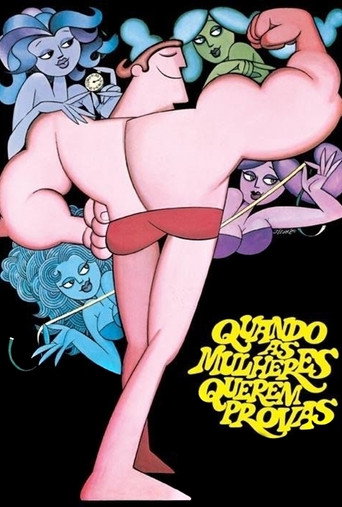
Two fanatical Flamengo fans get drunk after a defeat of time; a voyeurist peers at his neighbor's nakedness with binoculars; a suburbanite kills his wife over a chicken; an ambitious father makes money from his daughter who pretends to see the virgin Mary; a loving couple desperately seeks to satisfy their sexual desires; a priest tries to extort more alms from his parishioners; a married man, to survive, poses as a transvestite on a boat; a suburbanite prepares to sing on the Chacrinha show! Anything can happen in this film!
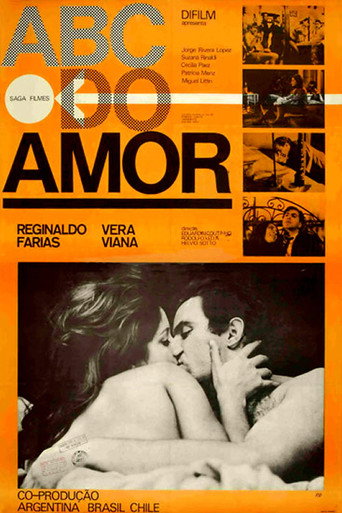
Film that includes three short films by different authors about love: "O pacto" by Eduardo Coutinho, "Terrible Night" by Rodolfo Kuhn, and "Magic World" by Helvio Soto.
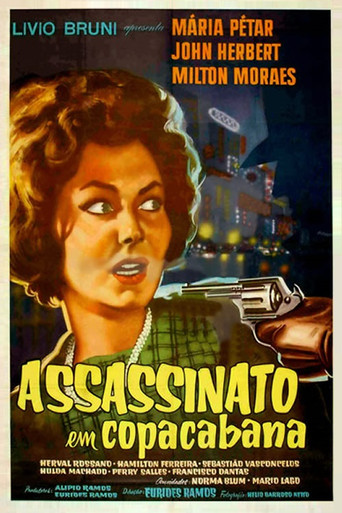
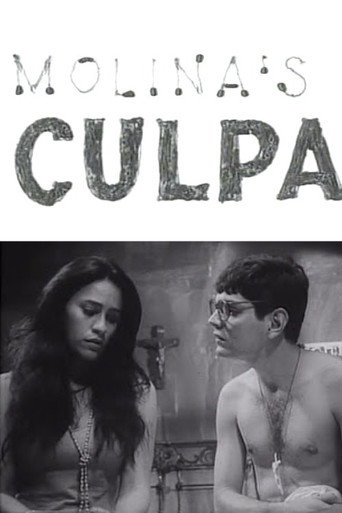
In a town plagued by the murders of the "Killer of the Seven Leathers", a prostitute helps a religious young man when he's attacked by hoodlums. He takes her to his ragged shack filled with Catholic objects, where she tries to seduce him.
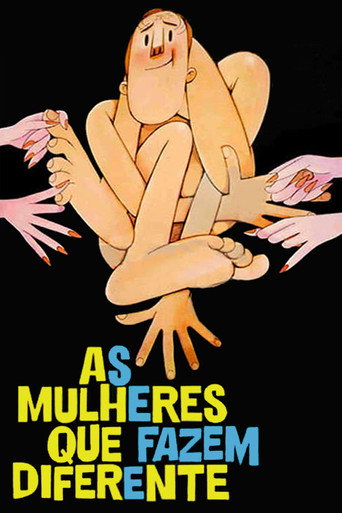
After seven years, Cláudio and Elisa's marriage is in danger. Some friends take Cláudio to a sex-shop, where he buys a rubber tongue, a little device that can save their relationship.
Documentary about working mothers who, without government support, have to struggle to care for their children. Through interviews and an intimate camera that wanders through the daily lives of the characters – a bus conductor, a woman who cares for more than ten children in a precarious home, a teacher at an improvised daycare center, among others – Lóes constructs a sensitive and precise argument about the division of care work.
The plot deals with the developments in an old decadent village after a stranger arrives at the old train station, an event in itself. This stranger is a Brazilian musician who carries and plays his "oboe". The music from the oboe, the musician's instrument, will change the lives of everyone involved, and that small village itself will forever be changed by the sound of the oboe.
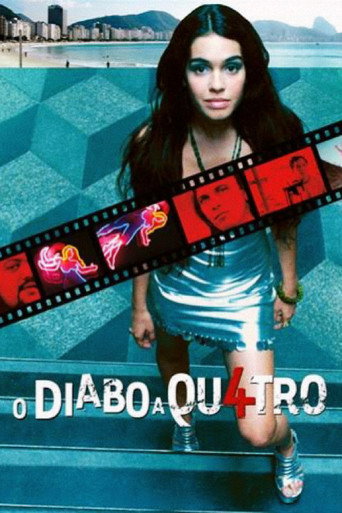
Four people with different values and standards meet in the urban chaos of Copacabana. Rita and Waldick come from the country, and befriend two Rio de Janeiro native guys, upon arrival: the playboy and surfer Paulo Roberto and a pimp called Tim.
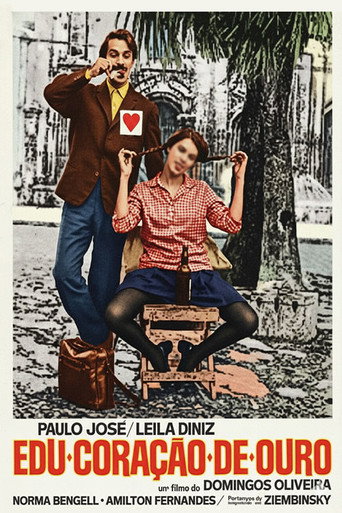
A volatile young man, Edu is a typical Rio de Janeiro middle-class kind, who flirts with multiple women at the same time. None of them, however, had managed to make him fall in love, until he met with mysterious Tatiana.
A couple do everything in order to stay together, against their families' wish.