Christo Christov Movies, TV Shows, and Filmography
Christo Christov
Directing
Biography
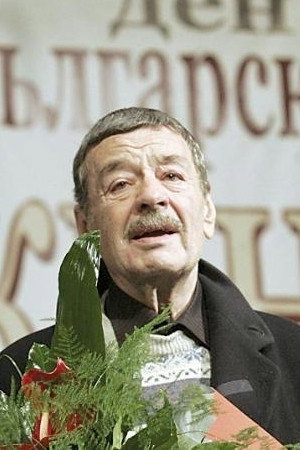
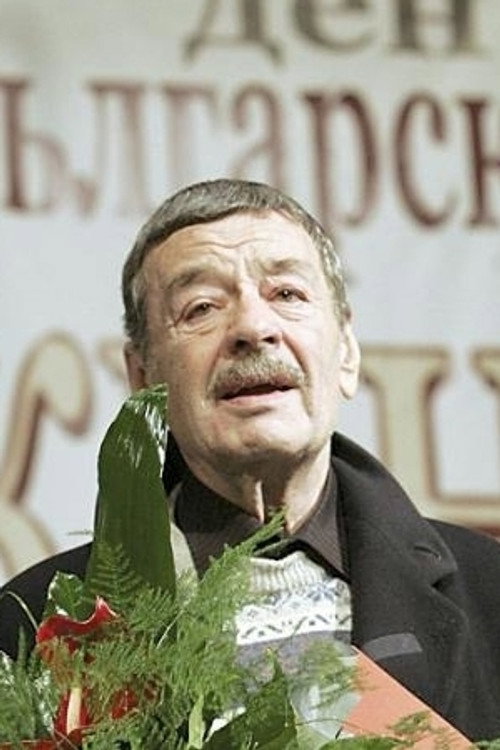
Christo Christov was a Bulgarian film director and screenwriter.
Filmography Movies
Production
The Icon Stand
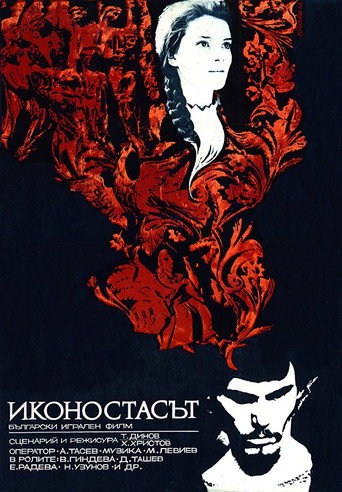
In late 19th century, a carver-cutter arrives in a little town to make the iconostasis of the newly built church. He is being accommodated in the house of a respected family. He is working slowly because of his love for the daughter of his hosts. They resist in every possible way and pay a high price: Their daughter dies. Though in despair, the master completes the iconostasis: a masterpiece the locals perceive as a heresy. And he leaves once again without any destination.
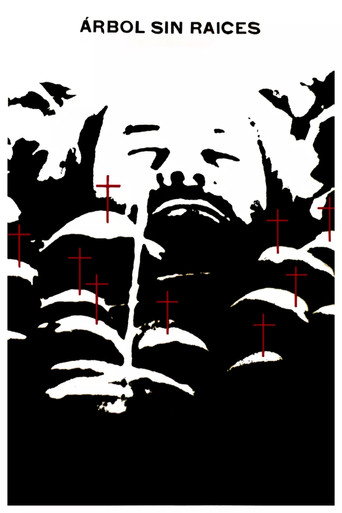
Rootless Tree
Having remained alone in his village house, old Gatyo must move in with his son and daughter-in-law in their flat in the city. They receive him with great understanding and sympathy but cannot find the key to his heart. Torn out of his natural environment and left bewilderingly rootless, this good man cannot adapt himself to the urban way of life. He does not like the mayonnaise he is offered, does not know how to use the lift. The people hurrying in the streets seem to him indifferent, and some even sly and deceitful. He sees the city as a place full of hostile people and inanimate objects. He badly misses the warm human touch of his village. Death is the only possible solution to the tragic conflict of this peasant, crucified between the archaic and the modern, and unable to adapt to the urban lifestyle.
Rootless Tree
Having remained alone in his village house, old Gatyo must move in with his son and daughter-in-law in their flat in the city. They receive him with great understanding and sympathy but cannot find the key to his heart. Torn out of his natural environment and left bewilderingly rootless, this good man cannot adapt himself to the urban way of life. He does not like the mayonnaise he is offered, does not know how to use the lift. The people hurrying in the streets seem to him indifferent, and some even sly and deceitful. He sees the city as a place full of hostile people and inanimate objects. He badly misses the warm human touch of his village. Death is the only possible solution to the tragic conflict of this peasant, crucified between the archaic and the modern, and unable to adapt to the urban lifestyle.
Cyclops
The main character is a commander of a nuclear powered submarine. Once a very promising hydroacoustics expert, he sacrificed his scientific career to devoting himself to serving his homeland as a warrior. Gradually, he figures out that the worth of mastering the art of war is in its non-appliance.
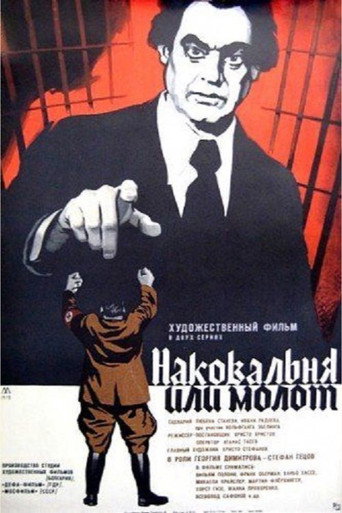
Hammer or Anvil
This is a political picture about the Bulgarian revolutionary Georgi Dimitrov. In 1933 during the Reichstag Fire Trial trumped-up charges of having set the Reichstag on fire were brought against him. At the trial Dimitrov exposed the machinations of the Nazis and turned from a defendant into an accuser. Central to the story is the face-to-face political duel between Dimitrov and Goering. Dimitrov's interactions with ordinary Germans, the memories of his wife Lyuba Ivoshevich, and the meetings with his mother Parashkeva alternate with documentary shooting scenes from the time of Nazi Germany.
The Truck
A study in human psychology that uses five disparate characters from clearly defined social positions, this film offers as much insight into the society of a changing Bulgaria, as it does into the minds of individuals in conflict. The story centers around transporting a worker's corpse, in a truck, to the mountain village where he was born. In the truck is: a man who may be suffering from tuberculosis, and who has an unfaithful wife at home; a doctor (the intellectual); a bookkeeper worried over the salaries she pays out; a hermit picked up on the road; and the driver who is a rough-and-ready working-class symbol. The seeds for conflict are set both by the personalities of the five in the truck and by their social background. The director Christo Christov, acknowledges his debt to Henri-Georges Clouzot and the Wages of Fear, for inspiration in the treatment of human conflict, its development through a set storyline, and its resolution in each of the five cases.
Cyclops
The main character is a commander of a nuclear powered submarine. Once a very promising hydroacoustics expert, he sacrificed his scientific career to devoting himself to serving his homeland as a warrior. Gradually, he figures out that the worth of mastering the art of war is in its non-appliance.
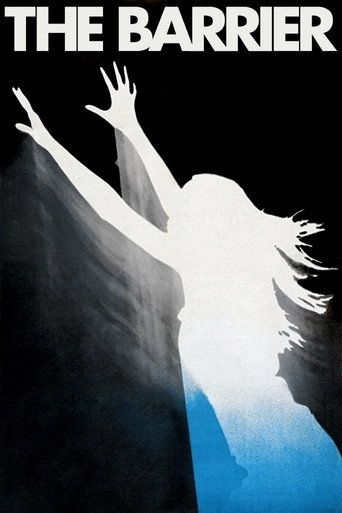
The Barrier
In this picture, the barrier epitomizes the line between reality and dreams, the pattern of harmony and happiness. The delicate, pretty, sensitive Dorotea and the sedate middle-aged composer Antoni meet by chance. He gives her shelter in his house. Famous composer falls under the spell of young Dorothea: A pretty, thin-skinned, though quite an eccentric girl.
The Icon Stand
In late 19th century, a carver-cutter arrives in a little town to make the iconostasis of the newly built church. He is being accommodated in the house of a respected family. He is working slowly because of his love for the daughter of his hosts. They resist in every possible way and pay a high price: Their daughter dies. Though in despair, the master completes the iconostasis: a masterpiece the locals perceive as a heresy. And he leaves once again without any destination.

Eastern Plays
Two estranged brothers are brought together when they have opposite roles in a racist beating: while Georgi who's recently joined a neo-nazi group participates in the violence, Hristo witnesses and rescues a Turkish family. Only by reuniting will the two brothers be able to assess what they really want from life.
Gallery