Christine Choy Movies, TV Shows, and Filmography

Christine Choy
Directing
Biography
Christine Choy (born 1952) is a Chinese-born American documentary filmmaker. Choy was one of the first major Chinese American woman film makers. One of Choy's most acclaimed films, Who Killed Vincent Chin? (1988) is a multicultural film that was nominated for an Academy Award for best documentary.
Filmography Movies
Acting
Agent Yellow
Agent Yellow is a powerful indictment of the U.S. government’s systematic prejudice against Chinese-American scientists. The film focuses on the mistreatment of Chinese scientists who contributed significantly to American military research, specifically describing the tragic cases of Dr. Wen Ho Lee and Dr. Tsien Hsue-Shen.
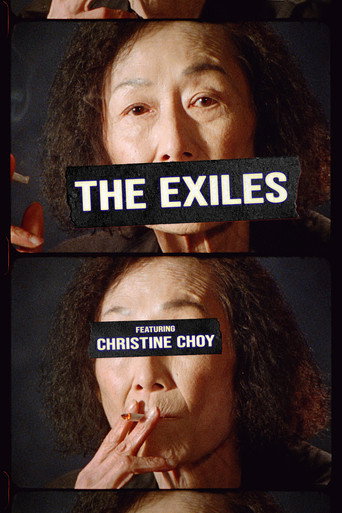
The Exiles
Brash and opinionated, Christine Choy is a documentarian, cinematographer, professor, and quintessential New Yorker whose films and teaching have influenced a generation of artists. In 1989 she started to film the leaders of the Tiananmen Square pro-democracy protests who escaped to political exile following the June 4 massacre. Though Choy never finished that project, she now travels with the old footage to Taiwan, Maryland, and Paris in order to share it with the dissidents who have never been able to return home.
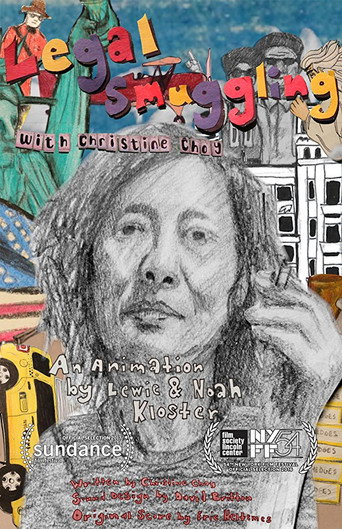
Legal Smuggling with Christine Choy
Academy Award–nominated filmmaker Christine Choy undergoes a wild adventure when she illegally—and accidentally—smuggles cigarettes across the Canadian border.
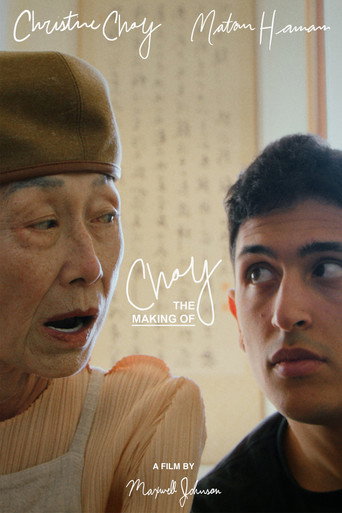
Choy: The Making Of
When a student filmmaker turns the camera on his professor, Christine Choy, her eccentric behavior and unconventional wisdom force him to reconcile his ambitions with the ethics of documentary filmmaking.
Production
The Shot Heard 'Round the World
The film investigates the death of Japanese exchange student Yoshi Hattori, killed in Baton Rouge, Louisiana, on October 17, 1992.
The Shot Heard 'Round the World
The film investigates the death of Japanese exchange student Yoshi Hattori, killed in Baton Rouge, Louisiana, on October 17, 1992.
Teach Our Children
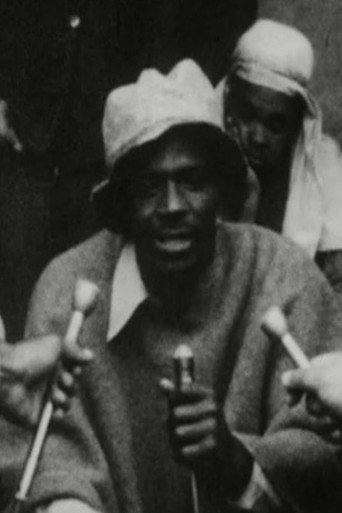
DocumentaThis film focuses on the historic 1971 Attica prison rebellion in upstate New York. It targets the conditions that caused prisoners to take drastic steps toward securing their basic rights. The film questions the reactions of prison warden Oswald, New York governor Nelson Rockefeller and President Nixon, as well as the death of 31 inmates and prison guards from bullets fired by the National Guard. Through on-site footage taken during and following the rebellion, and follow-up interviews with inmates, this film relates a powerful message concerning prisoner's rights and provides an important historical document. A Third World Newsreel production.ry about the 1971 rebellion at Attica State Prison.
Who Killed Vincent Chin?
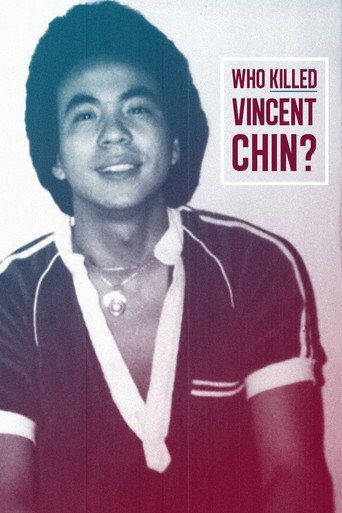
This film recounts the murder of Vincent Chin, an automotive engineer mistaken as Japanese who was slain by an assembly line worker who blamed him for the competition by the Japanese auto makers that were threatening his job. It then recounts how that murderer escaped justice in the court system. Restored by the Academy Film Archive and The Film Foundation, in association with the Museum of Chinese in America. Restoration funding provided by the Hobson/Lucas Family Foundation, with additional support provided by Todd Phillips.
Mississippi Triangle
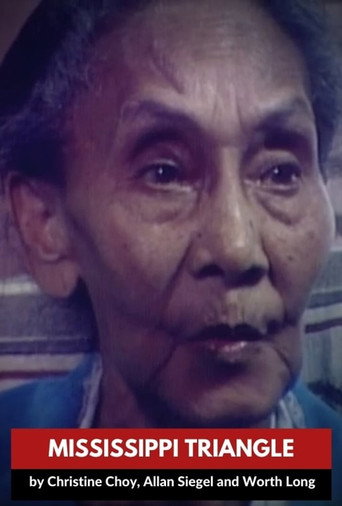
This is an intimate portrait of life in the Mississippi Delta, where Chinese, African Americans and Whites live in a complex world of cotton, work, and racial conflict. The history of the Chinese community is framed against the harsh realities of civil , religion, politics, and class in the South. Rare historical footage and interviews of Delta residents are combined to create this unprecedented document of inter-ethnic relations in the American South.
Mississippi Triangle
This is an intimate portrait of life in the Mississippi Delta, where Chinese, African Americans and Whites live in a complex world of cotton, work, and racial conflict. The history of the Chinese community is framed against the harsh realities of civil , religion, politics, and class in the South. Rare historical footage and interviews of Delta residents are combined to create this unprecedented document of inter-ethnic relations in the American South.
Teach Our Children
DocumentaThis film focuses on the historic 1971 Attica prison rebellion in upstate New York. It targets the conditions that caused prisoners to take drastic steps toward securing their basic rights. The film questions the reactions of prison warden Oswald, New York governor Nelson Rockefeller and President Nixon, as well as the death of 31 inmates and prison guards from bullets fired by the National Guard. Through on-site footage taken during and following the rebellion, and follow-up interviews with inmates, this film relates a powerful message concerning prisoner's rights and provides an important historical document. A Third World Newsreel production.ry about the 1971 rebellion at Attica State Prison.
Teach Our Children
DocumentaThis film focuses on the historic 1971 Attica prison rebellion in upstate New York. It targets the conditions that caused prisoners to take drastic steps toward securing their basic rights. The film questions the reactions of prison warden Oswald, New York governor Nelson Rockefeller and President Nixon, as well as the death of 31 inmates and prison guards from bullets fired by the National Guard. Through on-site footage taken during and following the rebellion, and follow-up interviews with inmates, this film relates a powerful message concerning prisoner's rights and provides an important historical document. A Third World Newsreel production.ry about the 1971 rebellion at Attica State Prison.
From Spikes to Spindles
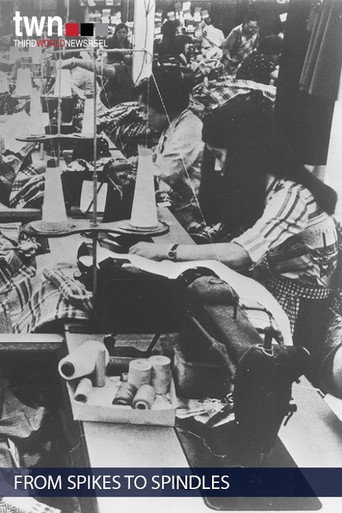
This raw, gutsy portrait of New York's Chinatown captures the early days of an emerging consciousness in the community. We see a Chinatown rarely depicted, a vibrant community whose young and old join forces to protest police brutality and hostile real estate developers. With bold strokes, it paints an overview of the community and its history, from the early laborers driving spikes into the transcontinental railroad to the garment workers of today.
Mississippi Triangle
This is an intimate portrait of life in the Mississippi Delta, where Chinese, African Americans and Whites live in a complex world of cotton, work, and racial conflict. The history of the Chinese community is framed against the harsh realities of civil , religion, politics, and class in the South. Rare historical footage and interviews of Delta residents are combined to create this unprecedented document of inter-ethnic relations in the American South.
Gallery