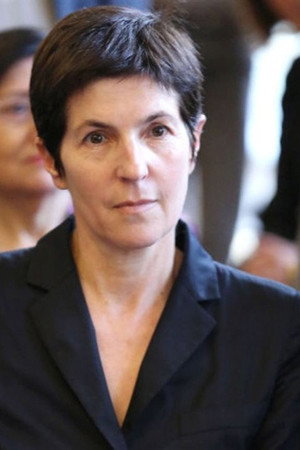
Christine Angot Movies, TV Shows, and Filmography
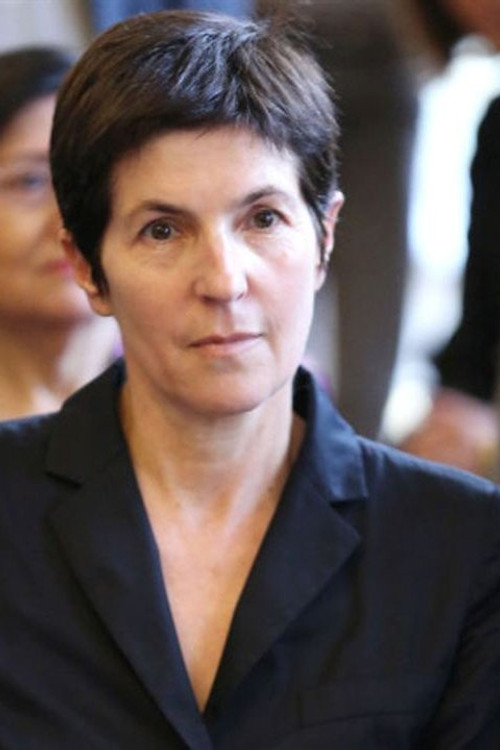
Christine Angot
Writing
Biography
The French novelist, playwright and journalist was born in Châteauroux, France in 1959. Her first novel “Vu du Ciel” was published in 1990. She rose to great prominence in 1999 with “L’Inceste”. This was followed by titles including “Les Désaxés” and “Une part du Cœur”, both of which were awarded the Prix France Culture. Her most recently published work “Le Voyage dans l’Est” won the 2021 Medici Prize. She was made an Officer of Arts and Letters in 2013 and has been a member of the Goncourt Academy since 2023. Une famille is her debut film.
Filmography Movies
Acting
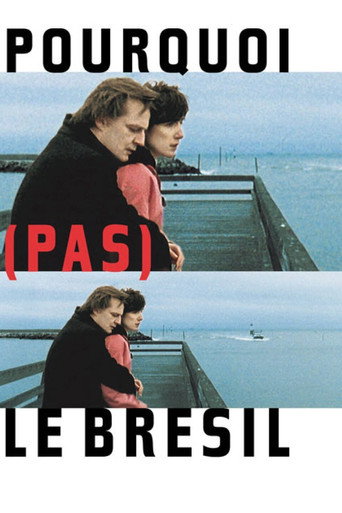
Why (Not) Brazil?
A film director, whose career is going downhill, reluctantly decides to adapt an inadaptable best selling novel. Will she succeed or will the book adapt her in the process?
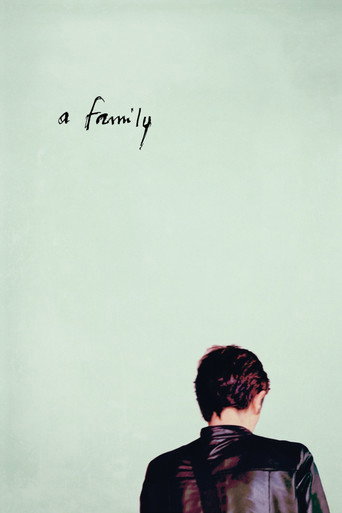
A Family
Award-winning French writer Christine Angot goes on a business trip to Strasbourg where her father lived before dying several years ago. It is the city where she met him for the first time at the age of 13, and where he sexually abused her over the following years. His wife and children still live there. Angot takes a camera and knocks on the doors of her family to push them to clarify their attitudes to her father’s crime that stretched over so many years. A cinematographic journey that challenges social norms and family perspectives in dealing with incest.
Production
Why (Not) Brazil?
A film director, whose career is going downhill, reluctantly decides to adapt an inadaptable best selling novel. Will she succeed or will the book adapt her in the process?
A Family
Award-winning French writer Christine Angot goes on a business trip to Strasbourg where her father lived before dying several years ago. It is the city where she met him for the first time at the age of 13, and where he sexually abused her over the following years. His wife and children still live there. Angot takes a camera and knocks on the doors of her family to push them to clarify their attitudes to her father’s crime that stretched over so many years. A cinematographic journey that challenges social norms and family perspectives in dealing with incest.
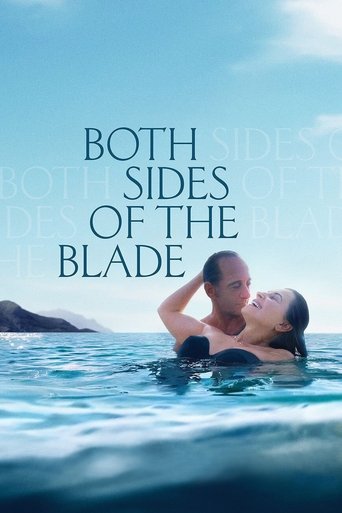
Both Sides of the Blade
Jean and Sara have been living together for 10 years. When they first met, Sara was living with François, Jean’s best friend and an admirer from back when he played rugby. Jean and Sara love each other. One day, Sara sees François in the street. He does not notice her, but she is overtaken by the sensation that her life could suddenly change. François gets back in touch with Jean. For the first time in years. He suggests they start working together again. From here on, things spiral out of control.
Both Sides of the Blade
Jean and Sara have been living together for 10 years. When they first met, Sara was living with François, Jean’s best friend and an admirer from back when he played rugby. Jean and Sara love each other. One day, Sara sees François in the street. He does not notice her, but she is overtaken by the sensation that her life could suddenly change. François gets back in touch with Jean. For the first time in years. He suggests they start working together again. From here on, things spiral out of control.
A Family
Award-winning French writer Christine Angot goes on a business trip to Strasbourg where her father lived before dying several years ago. It is the city where she met him for the first time at the age of 13, and where he sexually abused her over the following years. His wife and children still live there. Angot takes a camera and knocks on the doors of her family to push them to clarify their attitudes to her father’s crime that stretched over so many years. A cinematographic journey that challenges social norms and family perspectives in dealing with incest.
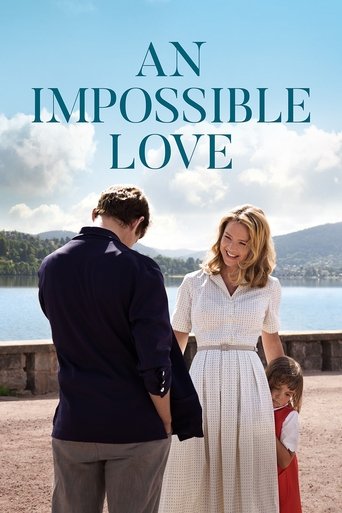
An Impossible Love
A chronicle of the unconditional love between a mother and her daughter, from 1958 to the present day, which is endangered by an unsteady and manipulative father.
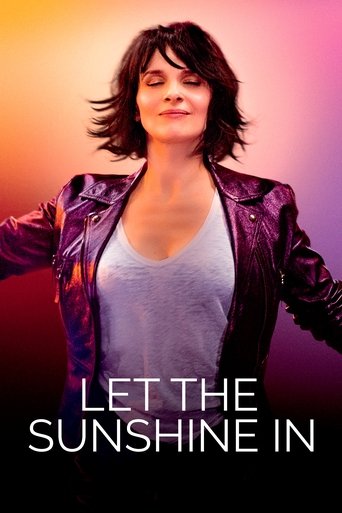
Let the Sunshine In
Isabelle, Parisian artist, divorced mother, is looking for love, true love, at last.
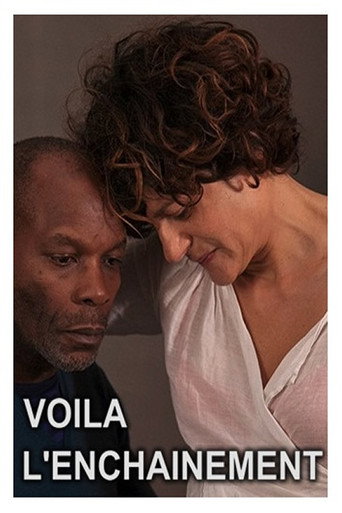
Voilà l'enchaînement
With two actors and no sets, master filmmaker Claire Denis traces the arc of a strained relationship, with a focus on race and language. In this fraught arena, words omitted can be as potentially devastating as words used, and what is not seen can have greater political consequences than what is.
Gallery