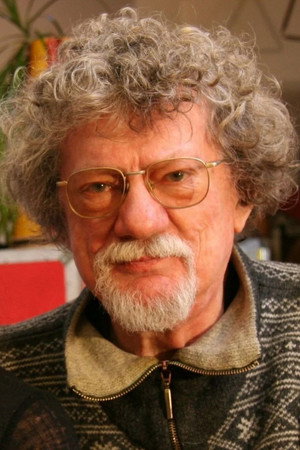
Directing
No biography available.
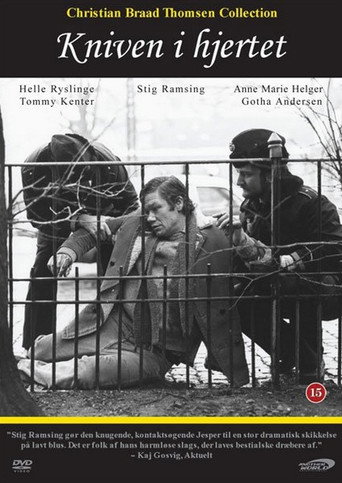
A shy postman longing for a relationship is reading love letters he is supposed to deliver.
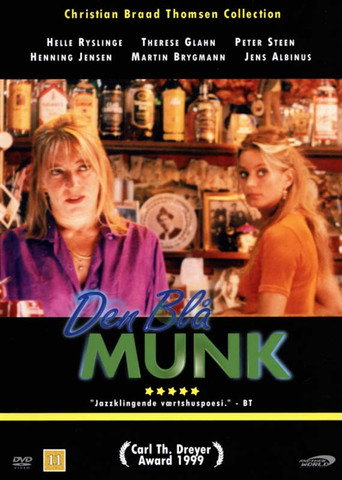
The waitresses at a Copenhagen bar find themselves listening to and advising various clients who wander in to unburden their current problems. The Blue Monk is so named because its jukebox constantly plays music by jazz musician Thelonius Monk. ...The Blue Monk
A woman finds herself in a crisis situation after being divorced and having lost her job. Images from her subconscious emerge, activated by childhood memories and confrontations with other women, especially her mother and sister.
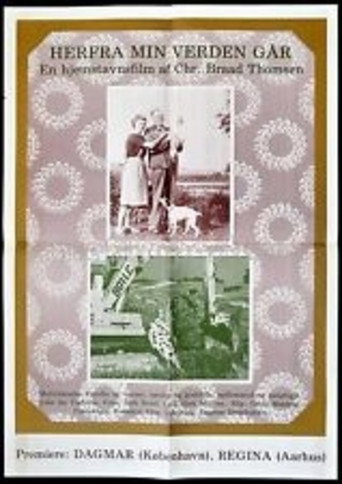
Danish writer/director/critic Christian Braad Thomsen goes back to his Jutland village roots in this documentary film, and lets the interviews with his neighbors and others from his homeland speak for themselves. Jutland has gone from being a remote rural spot to becoming a favored vacation spot, and the rigors of unchecked development in contrast to the past is the main theme of their discussions.
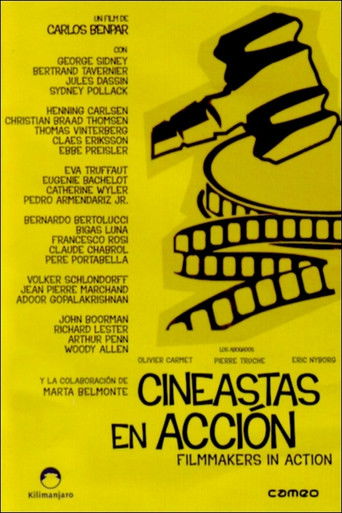
What is the state of cinema and what being a filmmaker means? What are the measures taken to protect authors' copyright? What is their legal status in different countries? (Sequel to “Filmmakers vs. Tycoons.”)
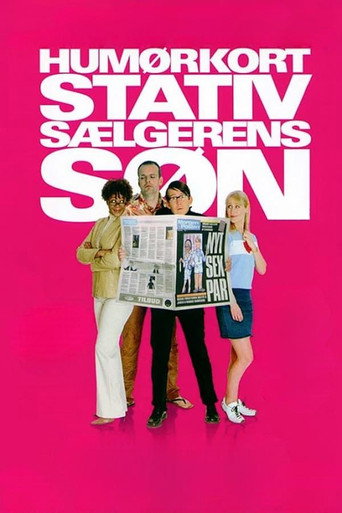
Rasmus is a commissioning editor prepared to go to lengths to keep people happy - which is just what he has to do, because Rasmus has a problem. He can't say no. To his ex-girlfriend who wants a baby or his new girlfriend, who wants things clear cut, or his author pal, who wants to write for a limited audience, or his new boss, who wants to publish sex guides.
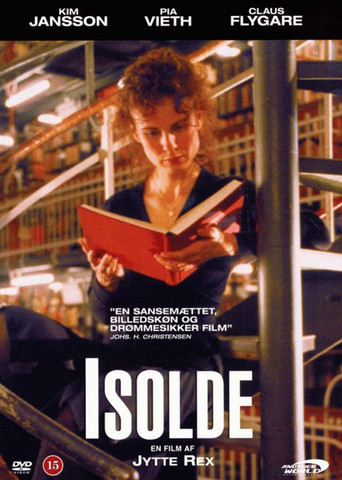
After librarian Isolde attempts suicide, she leaves her politician husband for a younger student with a dark past. Isolde's former husband, however, has something else in mind for the young man.
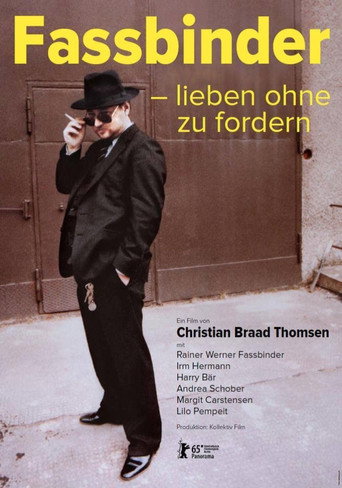
Rainer Werner Fassbinder was probably Germany’s most significant post-war director. His swift and dramatic demise at the early age of 37 in 1982 left behind a vacuum in European filmmaking that has yet to be filled, as well as a body of unique, multi-layered, and multifarious work of astonishing consistency and rigour. From 1969 onwards, Danish director and film historian Christian Braad Thomsen maintained a close yet respectfully distanced friendship with Fassbinder. The film is based on his personal memories as well as a series of conversations and interviews he held with Fassbinder and his mother, Lilo, in the 1970s.
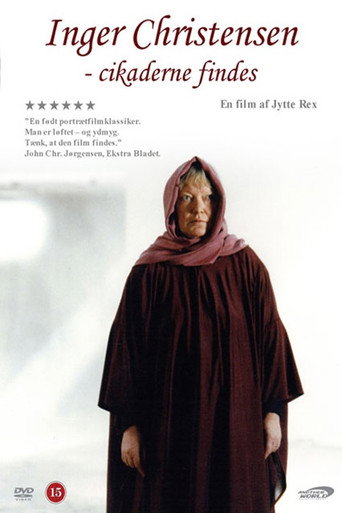
In this portrait film, we meet Inger Christensen in her apartment in Østerbro, Copenhagen, where she tells of her life and work, and reads excerpts from her major works.
A look at the life of esteemed Danish writer Karen Blixen.
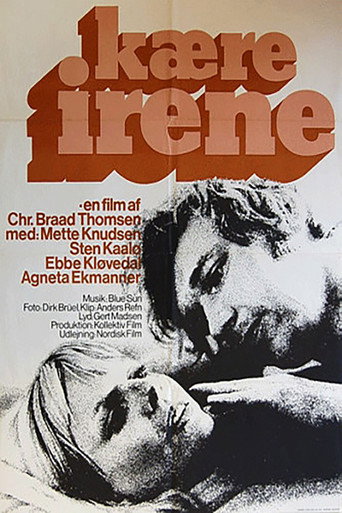
Description of Irene, a modern, free-spirited girl with a good job as press secretary for a film company. Nevertheless, she finds it difficult to get a grip on her life. She has grown distant from her husband, but for her daughter's sake she does not want to divorce him. Her lover Ebbe, a controversial journalist, is closer to her, but his violent infatuation can also be too much of a good thing. In a series of casual erotic relationships, Irene does not find what she is looking for either.
It has hardly been seen before that a 83-year-old actor has starred in a Danish film, but it is the case here, where Kai Holm says goodbye to a long life in film and theater service. He plays an old peasant who on his deathbed is waiting for his son (Jon Bang Carlsen). In a few days he relives the village life, he comes from, and which was marked by a hard and authoritarian upbringing. He is at his father's deathbed despair because it is still impossible to make contact, and in a crisis situation, he recognizes his father's brutality in itself. The film draws a bitter picture of human relationships where dreams while they die, degenerates into power relations.
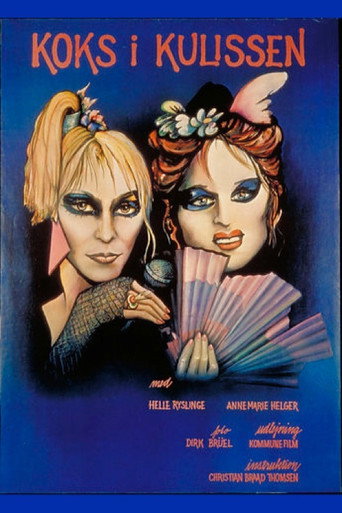
Laura and Micha travel the Danish countryside performing their off-beat cabaret show. Their personal lives suffer as a result of their dedication to their craft, yet the chaos that ensues becomes the grist for their revue.