Choi Sam Movies, TV Shows, and Filmography
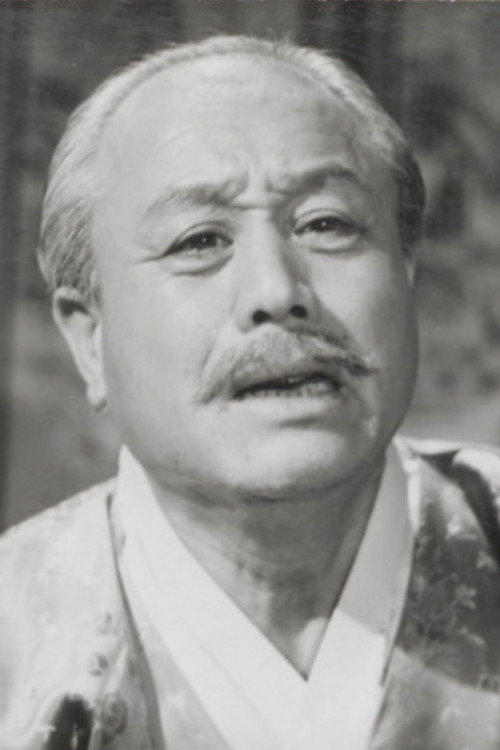
Choi Sam
Acting
Biography
No biography available.
Filmography Movies
Acting
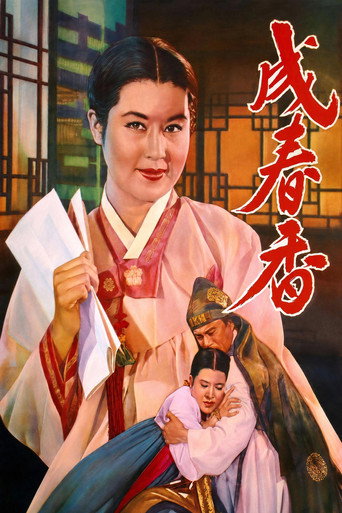
Seong Chun-hyang
Chun-hyang, the only daughter of an old gisaeng named Wolmae, falls in love with Lee Mong-nyong and promises to marry him. But Lee leaves for Seoul with his father who's an aristocrat, and the new governor, Byeon Hakdo, covets Chun-hyang because she is the most beautiful girl in town. When Chun-hyang rejects his order to serve him at night, Governor Byeon sends her to jail. In the mean time, Lee passes the state exam and becomes a special undercover agent of the king. He comes back to where Chun-hyang lives to save her and punishes Governor Byeon.
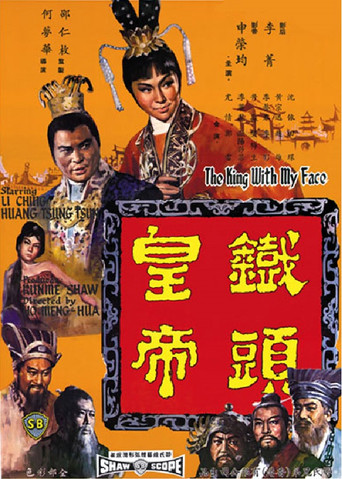
The King with My Face
THE KING WITH MY FACE (1967) offers a well-produced Shaw Bros. variation on Alexandre Dumas' famous tale, "The Man in the Iron Mask."
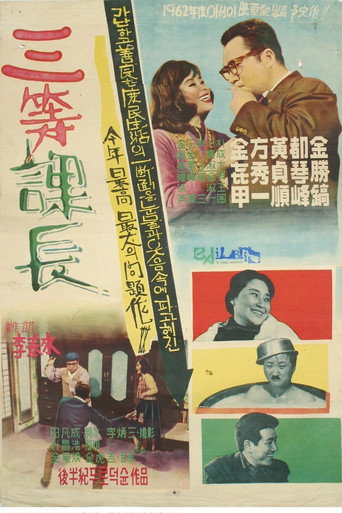
A Petty Middle Manager
When his wife sees him helping his boss' lover, a low-level manager finds his marriage in shambles.
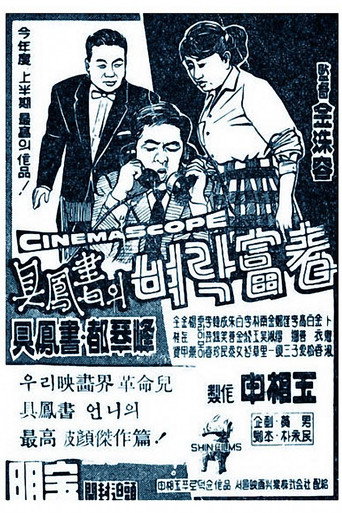
An Upstart
A poor boarder inherits 30 million dollars from an American soldier whose life he saved during the Korean War. The stingy landlady instantly turns into a completely different person, women swarm around him, and charities ask him for donations. Gangsters come forward and try to kill him...
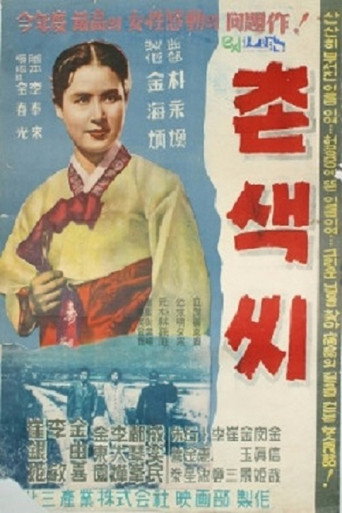
A Country Girl
Jang Gyeong Ho visits fellow student Kim Dong Hwan's hometown, and falls in love with his sister, Kim Ok Gyeong. Despite Dong Hwan's objections, Ok Gyeong follows Gyeong Ho to Seoul. With his help she finds a job at Dong Il where she works as a secretary for the president, Mr. Oh.
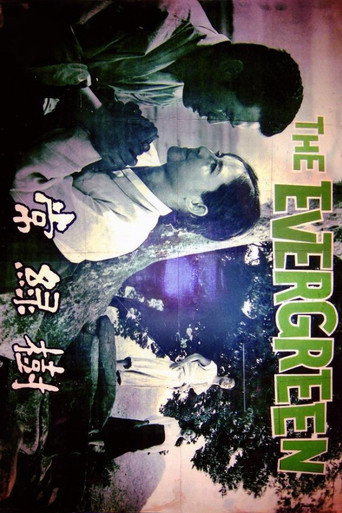
The Evergreen
Yeong-shin and Dong-hyuk graduate from college with a cause. They plan to bring education and modernization to farmers living in the rural area of their hometown. When they arrive, the pair immediately get to work, Dong-hyuk builds a village hall and starts aiding the farmers while Yeong-shin tries to gather the children to form a school. However, the villagers at first resent and resist the pair. It is not until one child, Ok-bun, takes the initiative and and learns to read under Yeong-shin’s care that the villages trust the pair and allow their children to be taken from the fields and taught reading, writing and math.
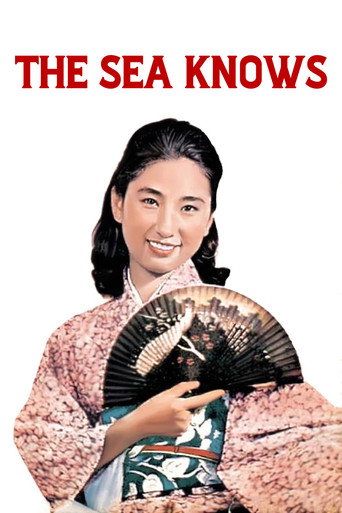
The Sea Knows
A Korean man, forced into service in the Japanese army during WWII, marries his Japanese girlfriend despite everyone's objections. Later, he becomes the sole survivor when the Americans attack.
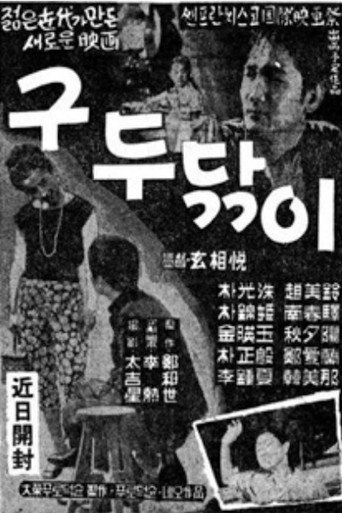
A Shoeshine Boy
Following the death of his parents, Yeong-cheol shines shoes in the streets, struggling to care for his sick younger sister Yeong-hui and make ends meet. Despite the persuasive efforts of low-life criminal boss Wang-cho, pickpocket Jjang-gu, and prostitute Mi-hwa, Yeong-cheol vows to lead an honest life by looking after Yeong-hui with cigarette salesgirl Myeong-sun and helping newly arrived shoeshine boy Dong-seok settle in. However, a tragic accident forces Yeong-cheol to make an important decision that may change his life. ※ Sharing the same Korean title with Vittorio De Sica’s classic Shoeshine (1946), this film was noted at the time of release for its strong neorealistic approach. All of the picture elements have been lost and only 4 original sound negative reels (around 40 minutes) survive today. The plot summary and scene descriptions have been added in the form of title cards as well as a selection of production stills to aid the viewing experience.
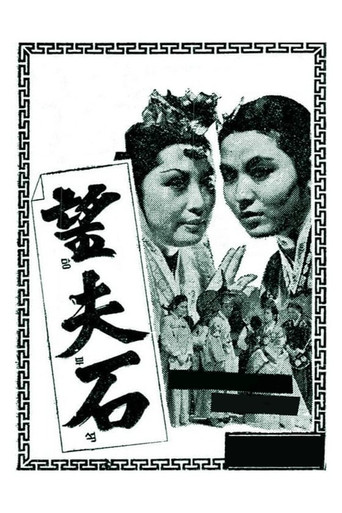
For My Husband
His own father had hated Crown Prince Sado. The king finally orders to kill him by locking him up in a rice-chest. After his death, his wife Hong goes with her son to her parents' house to live there. Some high officials in the court constantly try to harm Sado's son because they don't want him to become king. But Hong's wisdom saved her son, who grows up to become the 22nd king of the Joseon Dynasty (1392-1910).
Gallery