Chiu Kang-Chien Movies, TV Shows, and Filmography
Chiu Kang-Chien
Writing
Biography
Chiu Kang-Chien (Chinese: 邱剛建, 19 May 1940-27 November 2013) was a Chinese screenwriter and director.
Filmography Movies
Acting
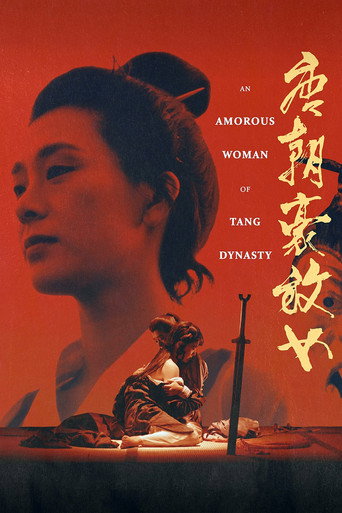
An Amorous Woman of Tang Dynasty
Rebellious Yu Yuan-gi becomes a Taoist priestess in order to avoid traditional roles designated to her as a woman by the society and focus on her studies and poetry. However, her trysts with both her maid and a ronin lead to trouble.
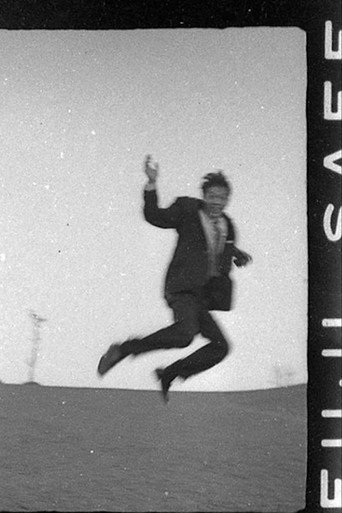
Regarding Huang Hua-Cheng
An in-depth documentary on the reclusive Taiwanese artist Huang Hua-Cheng and his avant-garde legacy. Commissioned by the Taipei Fine Arts Museum for the retrospective exhibition: “An Open Ending: Huang Hua-Cheng” (2020).
Visions Cinema: Film as a Way of Life: Hong Kong Cinema - A Report by Tony Rayns
Examines the early 1980s Hong Kong filmmaking community. Tony Rayns interviews some of the new generation of filmmakers and figures from the wider film culture.
Production
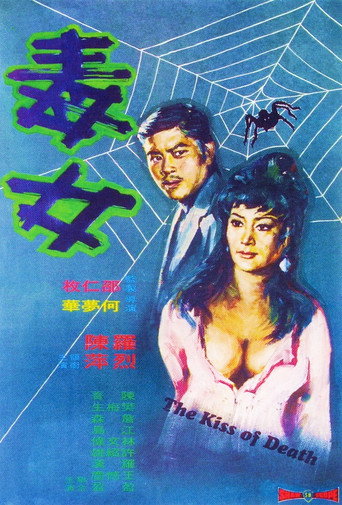
The Kiss of Death
One night a textile worker is sexually assaulted by five deviants. The young lady tries to cope with the aftermath of this dramatic event but her life is ruined. Like a shattered vase, the pieces can be put back together but it'll never be the same. Cheng get's a job as a bar girl. She meets the club's owner who was a former kung-fu fighter until he was crippled. Cheng uses her position as a B-girl to go after the losers who raped her, She soon learns from a sleazy doctor that she has contracted a dark V.D. called Viet-Nam Rose. Crushed, she begs Lo Lieh to teach her kung-fu. At first he refuses until he learns her secret. Furious, Lo Lieh teaches her his deadly fight techniques (such as a groin crunching blow).
The Long Chase
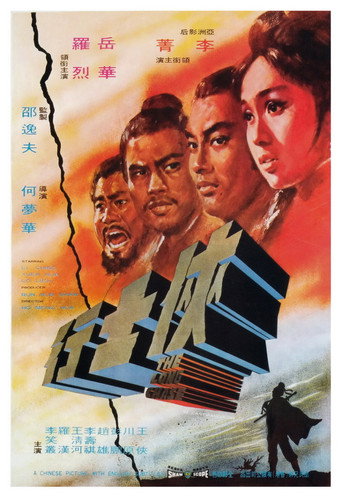
Yueh Hua stars as an assassin who flees after killing a hated prime minister, with Lo Lieh as the relentless imperial guard who pursues him to a remote village being terrorized by bandits. When Yueh takes over the identity of a county officer newly assigned to the village, his ruse is assisted by a pretty innkeeper's daughter (Li Ching) who insists to Lieh that Yueh is indeed the county officer and happens also to be the cousin who was betrothed to her as a child. The confused innkeeper is persuaded by his daughter to support the ruse, thus delaying Lieh's efforts to arrest the wanted man.
The Duel
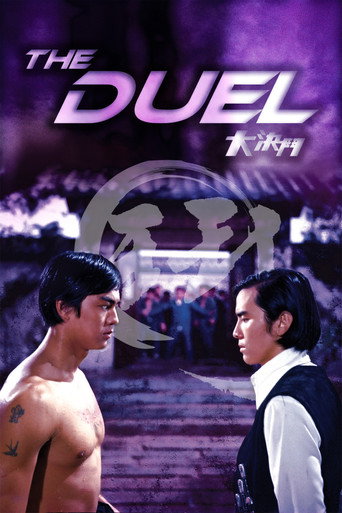
After a gang massacre that resulted in the killing of his adopted father and gang leader, a martial artist goes into exile to take the blame. A year later, his gang is mysteriously trying to kill him, and he slowly discovers why.
Dream of the Red Chamber '77
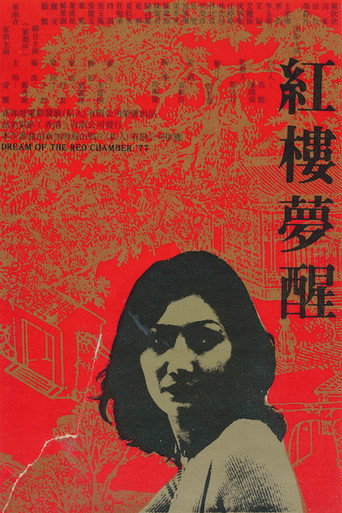
Set against the backdrop of the wealthy Jia clan’s slow financial decline, Jia Bao-yu falls in love with his cousin Lin Dai-yu, newly arrived from Taiwan. Their growing mutual affection gets derailed when their family’s materialistic interests and another cousin from the United States comes between them. Considered one of the four great masterworks of Chinese literature, Chiu’s adaptation reimagines this classical saga by transposing it to 1970s Singapore, featuring a largely local cast and weaving in various idiosyncratic film tropes popular at the time. In this rare rediscovery, Dream of the Red Chamber offers a unique and uncommon glimpse into early independent and transnational filmmaking in a rapidly developing post-independence Singapore.
Dream of the Red Chamber '77
Set against the backdrop of the wealthy Jia clan’s slow financial decline, Jia Bao-yu falls in love with his cousin Lin Dai-yu, newly arrived from Taiwan. Their growing mutual affection gets derailed when their family’s materialistic interests and another cousin from the United States comes between them. Considered one of the four great masterworks of Chinese literature, Chiu’s adaptation reimagines this classical saga by transposing it to 1970s Singapore, featuring a largely local cast and weaving in various idiosyncratic film tropes popular at the time. In this rare rediscovery, Dream of the Red Chamber offers a unique and uncommon glimpse into early independent and transnational filmmaking in a rapidly developing post-independence Singapore.
Unmarried Mothers
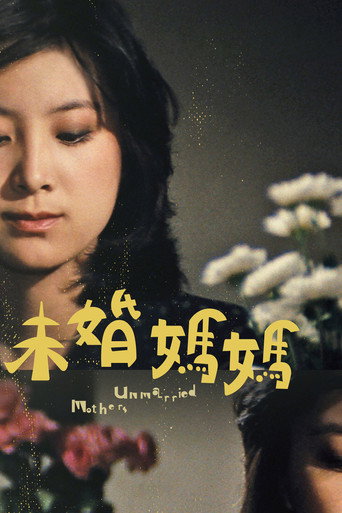
Hsiao-Peng, an unmarried mother is sent to a maternity home for young single mothers. During her time in the maternity home, she slowly overcomes the depressive thoughts and builds strong bonds with Wen-Yueh, Ko-Hsin, and Madam Pai. After moving out the maternity home, Hsiao-Peng lives with Wen-Yueh and Ko-Hsin in an apartment where they continue to be each other’s support. The two main settings of the film, the maternity home and the apartment, build an atypical family model. It is a tender coming-of-age tale where women are empowered with the right to think for themselves.
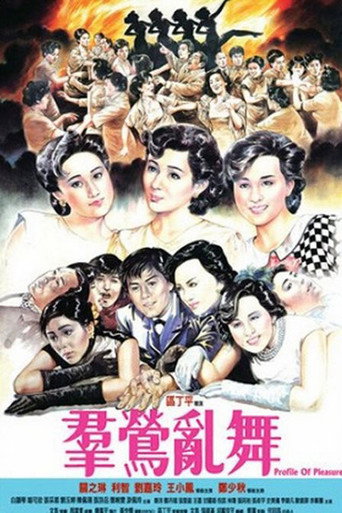
Profiles of Pleasure
Before the Big Ban on prostitution, West Hong Kong is famous for its houses of pleasure. The most infamous of them all is Floral Ode House. Among its girls are Yen Hung, who becomes a widow regularly; aristocratic Chien Chien; Cherry Fun, who manages to lose the nickname; and a bevy of beauties. The madam who is on good terms with the police chief claims the best business this side of virtue. Then there comes from England Cheng Li-Peng, commissioned to ban prostitution. He is engaged to Lily, the police chief's daughter. But his parents had arranged a wife for him when he was an infant. They have lost trace of each other. Cheng Li-Peng starts his investigation, which lead him to Yen Hung's and Chien Chien's bedrooms. He is surprised to find himself in love with all three girls. And one of them turns out to be his missing fiancee!
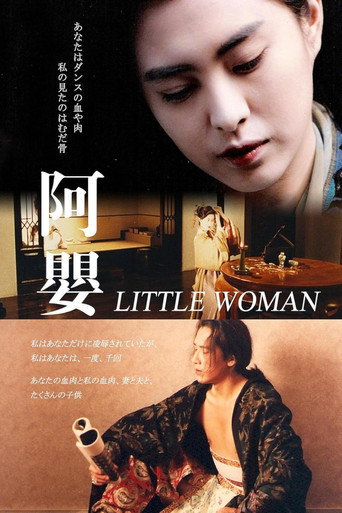
Ming Ghost
A story of a girl haunted by the ghost of her mother, after witnessing her murder.
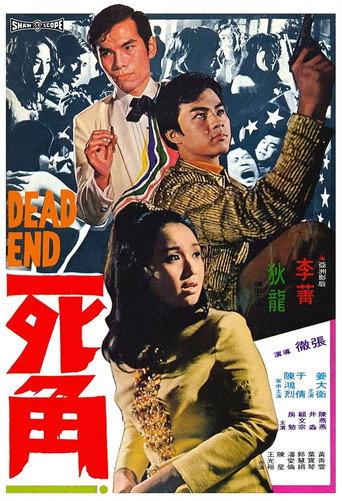
Dead End
In the mid-sixties Chang Cheh changed the face of female dominated films with his male dominated, violent kung-fu films. Dead End was the start of a new force that lasted 6 years, the first film to star David Chiang and Ti Lung under director Chang's discerning eye. The trouble all begins when Chen Hung-lieh's character disapproves of Ti Lung's character courting his sister.
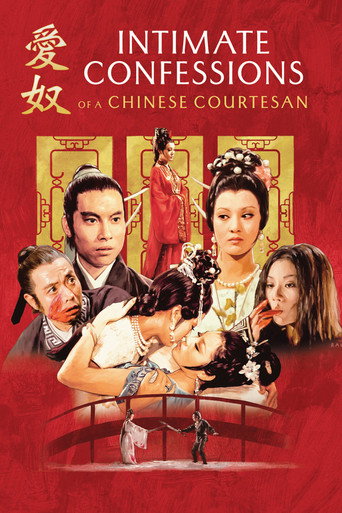
Intimate Confessions of a Chinese Courtesan
18-year-old Ainu is kidnapped and sold to a brothel. Her good looks and wild personality make her very popular with the lustful clients, but also draw the lesbian attentions of brothel madam Chun Yi. Chun Yi teaches Ainu the ways of lust and the ways of kung fu, and Ainu becomes more and more similar to her captor. But rage at her treatment is still burning inside her.