Chinghiz Aitmatov Movies, TV Shows, and Filmography
Chinghiz Aitmatov
Writing
Biography
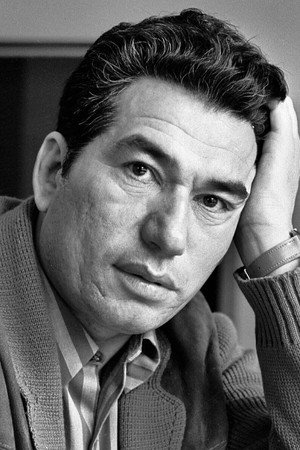
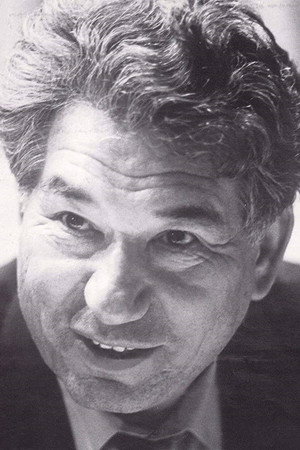
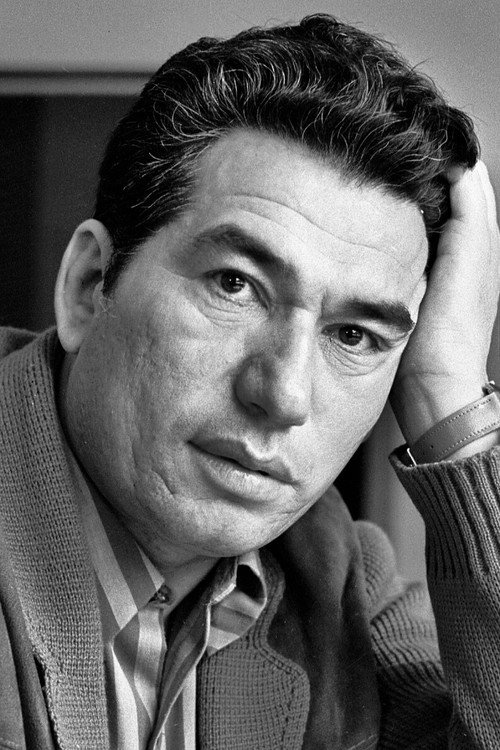
Chingiz Aitmatov (December 12, 1928 – June 10, 2008) was a world-renowned Kyrgyz author, screenwriter, and diplomat, widely regarded as one of the most influential and celebrated figures in Central Asian and Soviet literature. Born in the village of Sheker in the Talas Region of Kyrgyzstan, Aitmatov wrote masterfully in both Kyrgyz and Russian. He achieved international fame with his 1958 novella Jamila, which was famously described by French poet Louis Aragon as "the world's most beautiful love story." His other literary masterpieces include The First Teacher, Farewell, Gulsary!, The White Ship, and The Day Lasts More Than a Hundred Years. Aitmatov played a monumental role in the golden era of cinema, deeply shaping the "Kyrgyz Miracle" movement. A vast majority of his novels and novellas were adapted into critically acclaimed feature films, for many of which he personally wrote or co-wrote the screenplays. Beyond his artistic legacy, he served as a prominent statesman and diplomat, representing Kyrgyzstan as an ambassador to the European Union, NATO, and UNESCO. His profound humanistic narratives, bridging traditional nomadic culture with global existential themes, continue to resonate worldwide.
Filmography Movies
Acting
Aylanpa – World in a Vortex
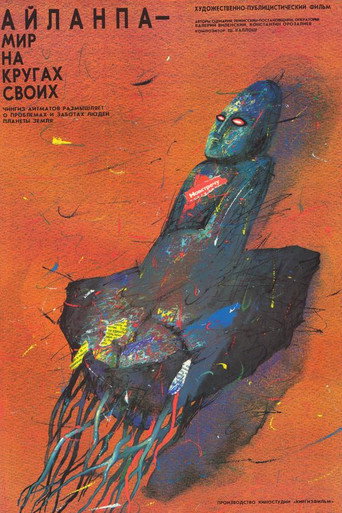
Just before the collapse of the Soviet Union, perestroika gave Chinghiz Aitmatov the opportunity to reflect on the goals and ideals of socialism and how it itself had denied them. In this essayistic film, starting with his personal life story (his father was shot as an enemy of the state, he himself was a highly respected student and artist in the Soviet Union) and the history of the Kyrgyz people (bearers of a vibrant and distinctive culture destroyed by socialism), he eventually arrives at big questions about the goal of human progress and the fate of humanity in the 21st century. "What will life be like for people in the 21st century?" he asks, not least in view of looming ecological catastrophes, and answers: That is the sole responsibility of humanity. Long difficult to find, the film has now been uploaded to YouTube in a restored 4K version by Kyrgyzfilm.
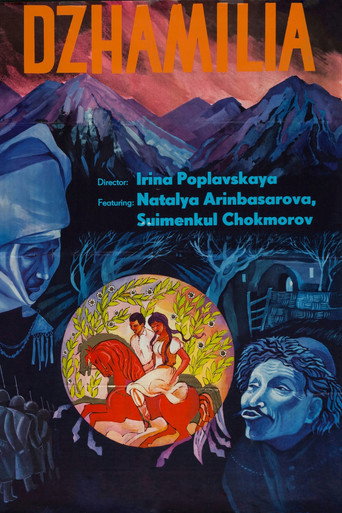
Dzhamilya
In a remote Kyrgyz village, Dzhamilya follows her parents' orders when she marries a man without loving him. Then World War II breaks out and her new husband has to leave the village. While being alone, Dzhamiliya meets the returning soldier Daniyar and falls in love with him instead. Years later, their young friend Seid reminisces about the couple.
Mystery of Secrets
In this infinite space, we currently know of only one planet where life exists. We know of only one history of civilization. And we know of only one type of intelligence—that of humans on Earth. Since time immemorial, the question of whether there is anyone else out there in the boundless reaches of space has remained a mystery. The film features scientists involved in the search for extraterrestrial intelligence, as well as renowned writers Arkady Strugatsky and Chingiz Aitmatov.
Production
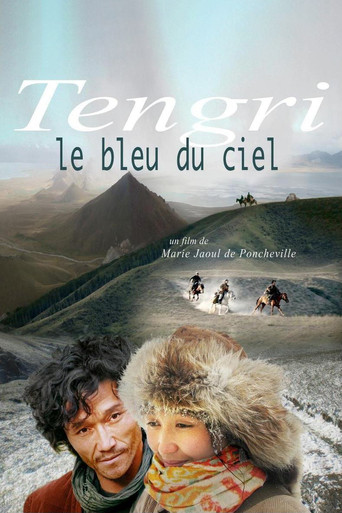
Tengri: Blue Heavens
This is a love story set in the steppes of Central Asia of today. Temür a thirty year old Kazakh decides to start life again in his ancestral village in the Kyrghyz Mountains. He discovers soon after his arrival that he is a misfit in this settlement of old conservative Islamic men,some women and children. The only ray of hope for him is Amira a young married woman who waits in frustration for her absentee husband - a Mujahideen. Temur watches sorrowfully as the individual village stories unfold at the same as he tries to help the community out in any way he can. In this way he comes closer to Amira and Taib, her young brother-in-law. In a dead end situation the lovers decide to leave the settlement and travel to a place that would hold out with their dreams. Written by Mira Tanna-Händel
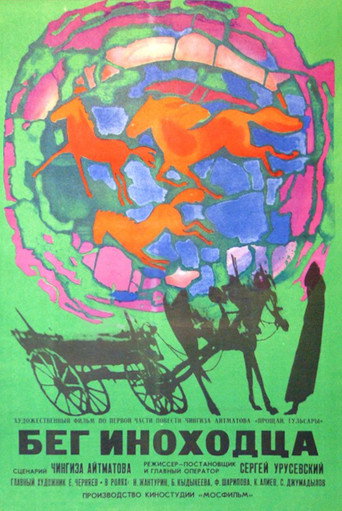
Goodbye, Gyulsary!
Based on Chingiz Aitmatov’s novel "Farewell, Gyulsary!" The story of Tanabai the blacksmith, father of three children, who upon his return from war became a herdsman, and his tragic love for the soldier’s widow Byubyudzhan. The lyrical poem has an additional storyline concerning the horse Gyulsary and his master Tanabai.
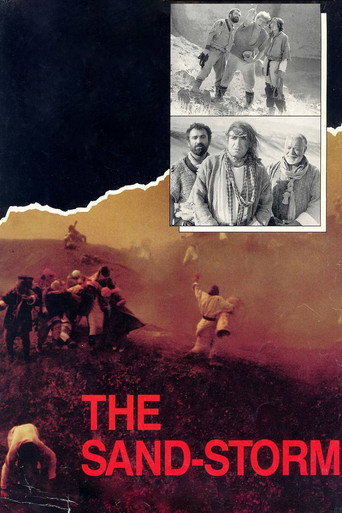
The Sand-Storm
In this heavyhanded political allegory, set in the plains and mountains of Central Asia, a tribe of people led by the fanatical Mavrut (Vladimir Msrian) wanders about in the most desolate parts of this already desolate region in search of a mythical "Land of Happiness." Their quest is hampered by the fact that they must all live a life which is extremely ascetic. One tribeswoman expresses a desire to have a child, but is rebuked by being reminded that she has vowed never to have worldly ties that would distract her from the quest. When she has a child anyway, she and her lover are made to pay for this crime in a horrific way. Despite that, the child becomes a kind of holy mascot for the group, touted by the leader as a kind of savior. They are distressed when the child goes missing one day, only to appear mysteriously on the opposite side of the rapids of a river, beckoning to them.
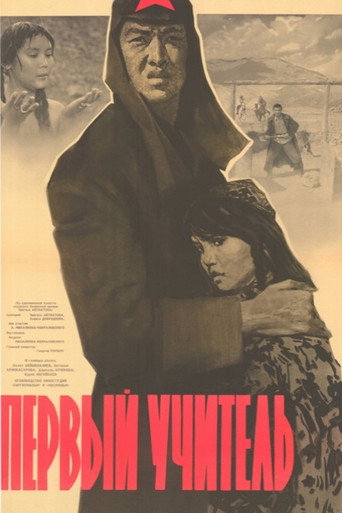
The First Teacher
Dyuishen is assigned to the mountainous Kirghiz region of Central Asia by the Young Communist League after he is discharged from the Red Army. It is 1923 and the Civil war has ended. The former soldier becomes a teacher, bringing the Leninist doctrine to the remote Moslem area where elders did not allow children to go to school. He falls in love with one of his students, but the young woman is sold by her father to a wealthy chieftain.
Epic of Love
Film adaptation of the Kyrgyz folk legend of Raimaly-aga, based on Chingiz Aitmatov's interpretation from his “The Day Lasts More Than a Hundred Years.”
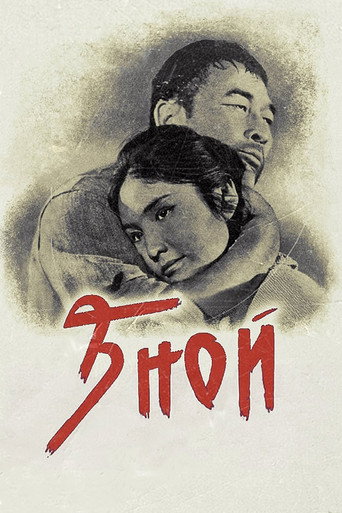
Heat
An idealistic high school graduate goes to work on a state farm on the Kyrgyz steppe, only to clash with its authoritarian leader.
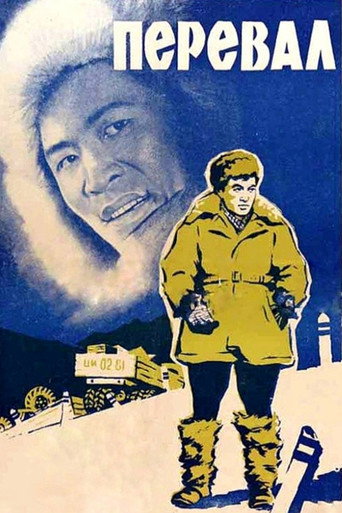
Pass
Young Daniyar drives his car along the mountain roads of the Tien Shan. One day, returning from a trip, he meets Asel. This encounter marks the beginning of a great love story for them. Daniyar breaks off his relationship with his former girlfriend, the beautiful Raihan, and marries Asel. But one day, his long-forgotten relationship with Raihan is rekindled. Asel, upon learning of her husband's infidelity, leaves him. Meanwhile, wanting to increase the number of trips and reduce travel time, Daniyar decides to drive through the pass with a trailer, but gets into an accident on the pass, the consequences of which are exacerbated by his co-worker Sadyk...

The Skies of Our Childhood
Bakai is an old shepherd who lives in the country while his children have long grown accustomed to life in the city. When his youngest son pays him a visit, Bakai wants him to stay and help with the rigors of rural living.
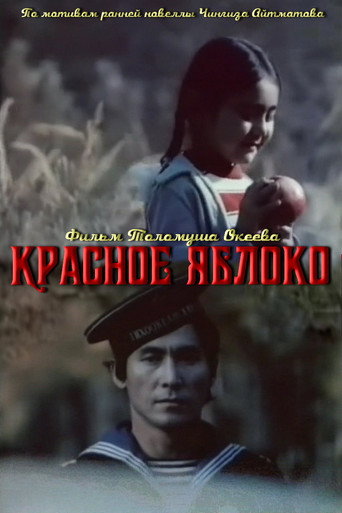
The Red Apple
A chronicle of a few days in a small family, a story about the difficulties of human contacts, the complexity of love. The image of red apples - strong and clear, profound and lucid. Okeyev's "apple" bears a special meaning. Juices of the earth and sun, it is a lyrical symbol of happiness and harmony.
Dzhamilya
In a remote Kyrgyz village, Dzhamilya follows her parents' orders when she marries a man without loving him. Then World War II breaks out and her new husband has to leave the village. While being alone, Dzhamiliya meets the returning soldier Daniyar and falls in love with him instead. Years later, their young friend Seid reminisces about the couple.
Gallery