Acting
No biography available.
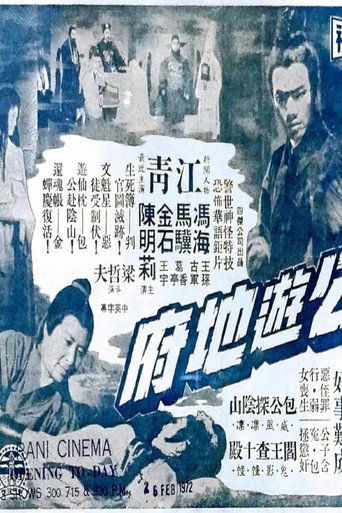
A magician/official has to solve a murder. He finds the case too unclear, so he goes to Hades to find the truth in Hades' "records file".
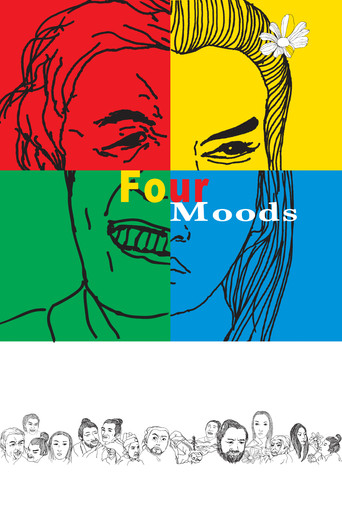
Directed by some of most well known Chinese-language directors of the time, the portmanteau film Four Moods was an attempt to alleviate Li Han-hsiang’s financial troubles during the late 1960s. Arguably one of his best works, King Hu’s short Anger is an adaptation of the famous Peking opera San Cha Kou; set to opera instrumentation and stylishly shot, the film deftly captures the tense showdown between political schemers, avengers and vagabonds inside an inn. Li Han-hsiang’s Happiness, inspired by the Strange Tales of Liaozhai, tells a tale of reprieve for a kind-hearted ghost, while Pai Ching-Jui’s Joy and Lee Hsing’s Sadness both explore the fateful encounters between mortal men and ghostly women.
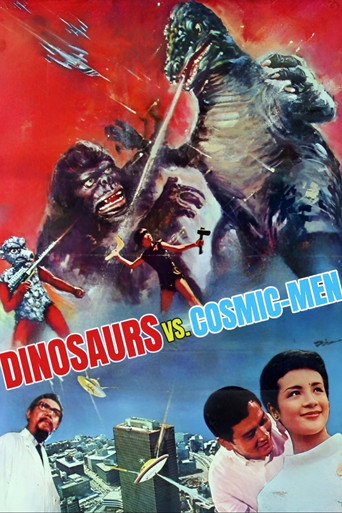
Cut & paste Taiwanese monster movie that uses footage from the Japanese film, Monster Prince.
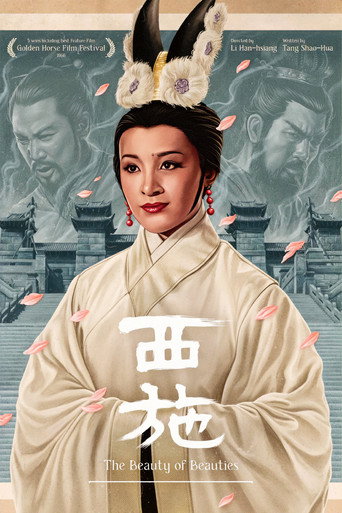
Hsi Shih: The Beauty of Beauties was one of the most ambitious films made in the Taiwan film industry in the 1960s. After leaving The Shaw Brothers studio in Hong Kong and moving to Taiwan, filmmaker Li Han-hsiang mounted this historical epic. Told through the story of Xishi (Hsi Shih), one of the 'Four Great Beauties' of Chinese history, the film portrays the war between two Chinese Kingdoms during the Warring States Period (475-221 B.C). After the kingdom of Yue is defeated by the kingdom of Wu, King Goujian of Yue takes pains to prepare for his revenge and rebuild his country. Knowing that King Fucha of Wu is lewd and lustful, he offers Xisi to the court of Wu to serve as Fucha’s concubine, with Fucha unaware that she is also a spy. She uses her charm to draw Fucha away from his office and governance, while King Goujian rallies his forces together to attempt to reclaim his lands.
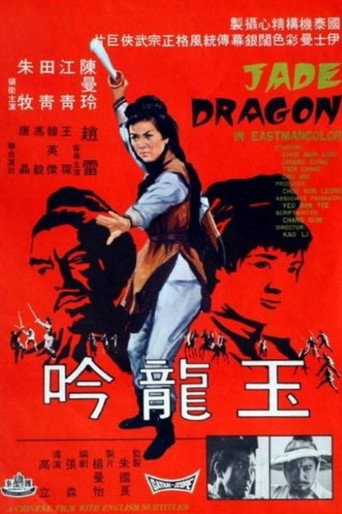
Old school weepy sword fighting epic with Melinda Chen Man Ling, Cathay's answer to Cheng Pei Pei.
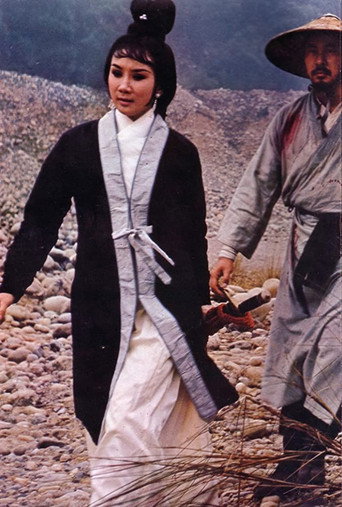
Fang Yung-Chiu is a young martial artist skilled in disc-throwing and swordplay. When a society known as the Han Brothers kills her master, she vows revenge; but, is her master really dead?
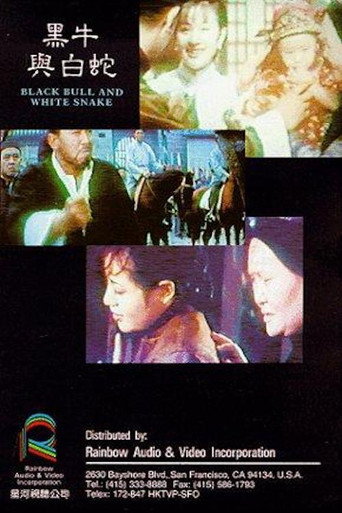
In Chinese folklore a white snake symbolizes a woman, especially an evil type of woman, while a black bull typifies a man, robust, strong and virile. "Black Bull and White Snake", a film version of Young Nien-ts'u's best-selling novel of the same title, is exactly about a white snake-woman, having been sold into prostitution at an early age, is rescued by a black bull of a man only to fall back into the gutter again. A production from the Grand Motion Picture Company, "Black Bull and White Snake" stars Chiang Ching and newcomer Tien Yeh.
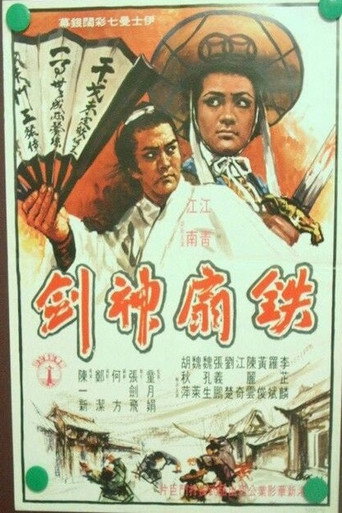
A war between two generals, one of whom drafts Jing Wuji, a former fighter who has become a monk, to escort a group of prisoners over the mountains. The monk's efforts are complicated by the reappearance of his two vengeful ex-wives.
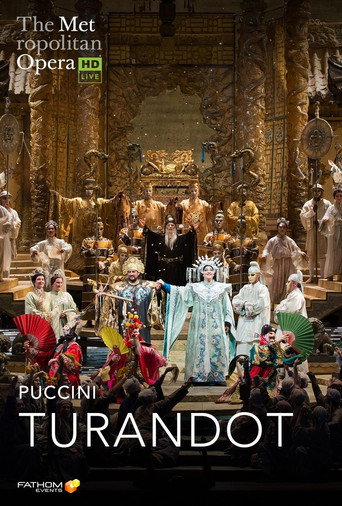
Christine Goerke has wowed audiences as Turandot, the icy princess at the heart of Puccini’s grand final masterpiece. In this performance from the 2019–20 Live in HD season, Goerke stars alongside tenor Yusif Eyvazov (as Calàf) and soprano Eleonora Buratto (as Liù) in Franco Zeffirelli’s classic staging, which dazzles with its opulent visions of mythic China. Met Music Director Yannick Nézet-Séguin is on the podium, drawing a vivid array of musical colors from the incomparable Met Orchestra and Chorus.