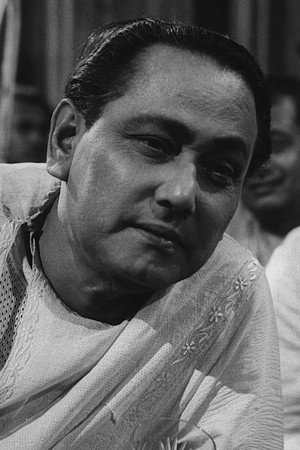
Chhabi Biswas Movies, TV Shows, and Filmography
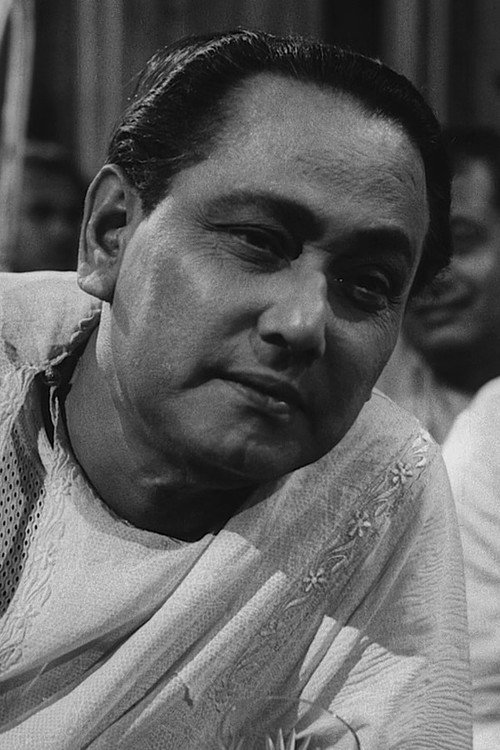
Chhabi Biswas
Acting
Biography
Chhabi Biswas (Bengali: ছবি বিশ্বাস Chabi Biśbās) (12 July 1900 – 11 June 1962) was an Indian actor, primarily known for his performances in Tapan Sinha's Kabuliwala and Satyajit Ray's films Jalshaghar (The Music Room, 1958), Devi, (The Goddess, 1960) and Kanchenjungha (1962). He is best remembered for his numerous roles as the quintessential aristocratic patriarch, and was himself the scion of a rich and cultured North Kolkata family. He was born on 12 July 1900. His father, Bhupatinath Biswas, was well known for his charitable works. His first name was Sachindranath, but his mother nicknamed her handsome son Chhabi (a beautiful picture!) and the name stuck throughout his life and career. His portrayal of the formidable father figure, though often typecast, yet was powerful and convincing enough to earn both popular and critical accolades. That portrayal was culturally significant, too as in the British Raj, enlightened Bengali used to combined both the hoary tradition and the Anglicised urbanity.
Filmography Movies
Acting

The Music Room
An aging, decadent landlord’s passion for music becomes the undoing of his legacy as he sacrifices his wealth in order to compete with the opulent music room of his younger, richer neighbour.
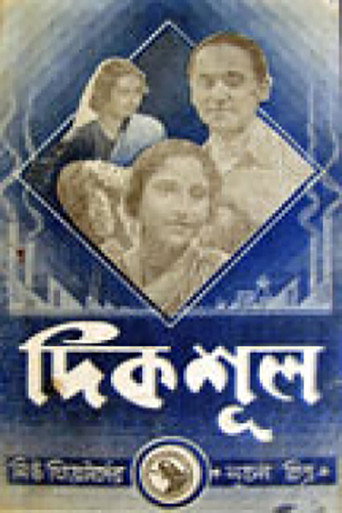
Dikshul
Dikshul is a 1943 Bengali film produced by New Theatres Ltd. Directed by Premankur Atorthy, the film featured music by Pankaj Mullick and cinematography by Rabi Dhar. Notably, the film's lyrics were penned by the renowned poet Kazi Nazrul Islam, and it marked the playback singing debut of actress Binota Roy.

Gali Theke Rajpath
Raja was a professional thief who went to jail for a crime. His very close assistant Bhola waited for him and when Raja returned from prison, they started planning a bigger one. One day a family came to their locality. Within a few days, Raja and Bhola became closer to that family. Mala was the only female earning member and she worked in theatre. Raja did not disclose his real identity and tried hard to impress her a lot. In the meantime, a tout Gobardhan nagged Mala a lot to join films. Raja and Bhola gave him a good punishment and saved Mala in several situations. Later Raja tried to cheat a businessperson, but an unavoidable situation changed his life. At last, Mala came to know everything about Raja and accepted him as her partner. Raja also decided to change his life and put his best effort into becoming a good man. He meets Mala and asks her to forgive Raja. Raja once again regains Mala's love and the film ends on a happy note.

Ratrir Tapasya
Bhupen is an excellent student who works as a private tutor to support his education and family. He begins to teach Sandhya who is a rich man's granddaughter. She ends up falling for him and that ruins his career, even though he did not feel the same for her. He later gets married to Kalyani but he and Sandhya still share a bond for the sake of her property.

Bhangagara
Eldest brother brings up the orphaned brother single handed along with his (later) second wife's child-widow cousin. When they grow up and marry, the new wives break the family, will it rejoin? At what cost?

Manik
Manik is mentally and physically abused by the manager of the orphanage he lives in. However, when he runs away to Calcutta, he finds himself in deeper trouble in a far more dangerous world.

Sakher Chor
Indra catches a thief Kaanta in the night and tricks him into believing he's a famous thief himself who has made away with large sums of money in high-profile heists and thefts. Later, Indra enters a bet with his friends who bait him into pulling off a theft and he seeks Kaanta's help.
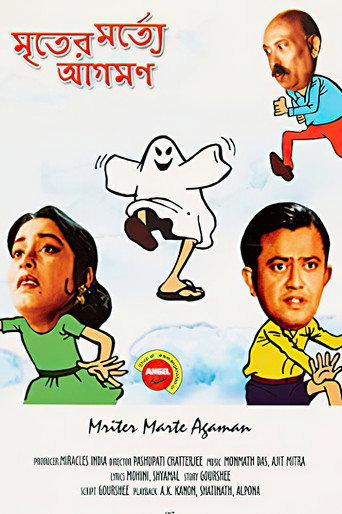
Mriter Marte Agaman
Biswanath or Bishu a young warm-hearted man, made a "Mukti Fauj" in Hell against Jamraj. He also planned to escape with Lolita, Heena, Rita, Ghosai babu and others. After a lot of hurdles, they managed to fly away from Hell. They came back to Earth with expectations, but unfortunately, time was changed. All of them faced some unbearable situations which really made them sad. Bishu came to know his wife got married to a wrestler. Lolita's boyfriend Montu da was busy with some other lady. All these experiences helped them realize the changing time. As a result, Bishu with his mates decided to go back to Hell. Earth was unable to give them sufficient space to live a happy life.
Antariksha
This is a story about a landlord in a local rural Bengal. He is very stubborn, egoist, commanding person. Every steps of his move has logical conclusions, with reasons and vision. He doesn't want to commit himself for any cause. But Jayanta doesn't always agree with landlord's decisions. He is very honest, sincere and whimsical person who doesn't know how to plan a work. He likes a girl from his early days and always wants to marry that girl. So he conveys his wish to the father of that girl. After a small hesitation, the landlord also agrees with his wife and nods for the approval. But after the marriage takes place, a long time mystery breaks out. As a result Jayanta has to suffer, but at last the landlord rescues him.
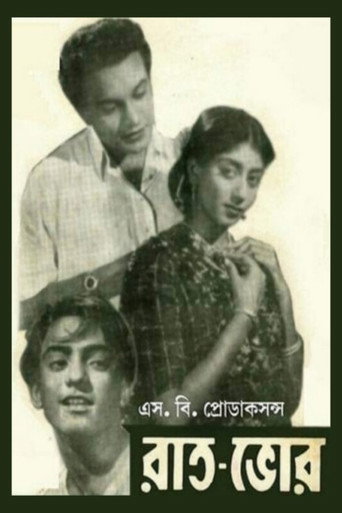
The Dawn
Deeply influenced by leftist ideology, this film dealt with social and political themes: A poor village boy's hazardous experience in a rich urban family.
Production
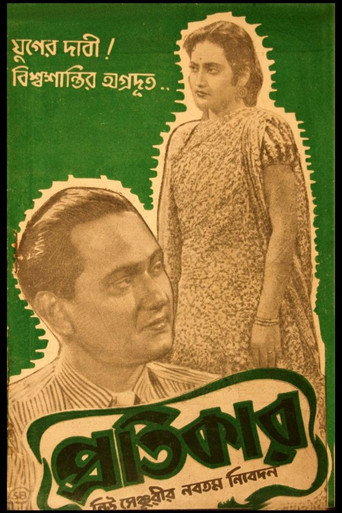
Pratikar
Sri Beniprasad, owner of "Model Drugs," discovers his workers’ grievances when he finds a bulletin circulated by them. Though his son Dilip is involved with the company, he advises his father to investigate independently. Taking on a disguise as a common laborer, Beni Prasad learns that his executives are dishonest and oppressive, even mistreating him. He is welcomed by Rammoy, a worker, and his family, where Jayanta, an enigmatic leader of the labor movement, regularly appears. During a secret meeting, Jayanta realizes Beni Prasad is undercover and orders his glasses broken, rendering him unable to see. Both Beni Prasad and Rammoy's daughter Reba question Jayanta’s true identity, which is revealed in a twist at the film's end.
Jar Jetha Ghar
Gallery