Directing
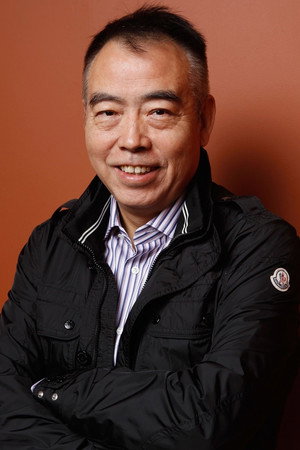
Chen Kaige (陈凯歌) is a Chinese film director born on born August 12, 1952. He is a leading figure of the fifth generation of Chinese cinema. His films are known for their visual flair and epic storytelling.
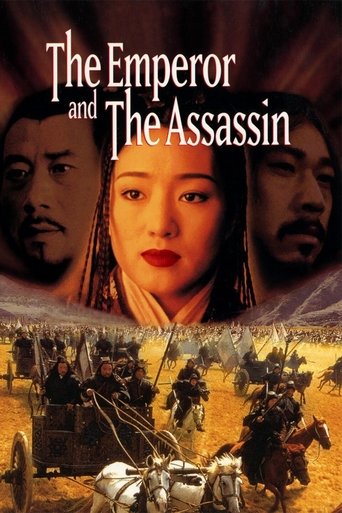
In pre-unified China, the King of Qin sends his concubine to a rival kingdom to produce an assassin for a political plot, but as the king's cruelty mounts she finds her loyalty faltering.
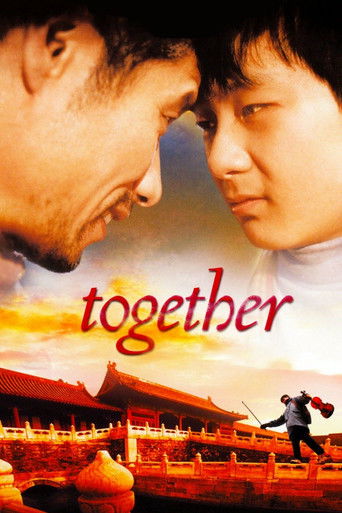
When a violin prodigy Xiaochun and his father head to Beijing seeking fame and fortune, they soon discover a fierce world of cutthroat ambition. But when Xiaochun is "adopted" by a famous music tutor, success finally seems within reach - until a shocking discovery begins to unravel his entire world, and the boy must make the most difficult choice of his life. Can he achieve the fame his father had always hoped for without losing the extraordinary passion that sets him apart?
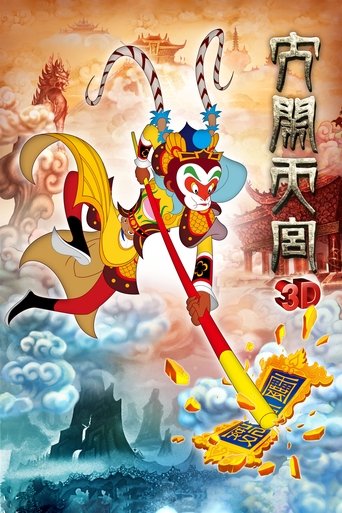
A completely remade animation film based on the original 1961 animation The Monkey King. Mythical ancient China. Born from some magic stones that fell to Earth a long time ago when Goddess Nüwa mended the sky, Sun Wukong, aka Monkey King, sets off on his first adventure to gain a worthy weapon. This earns the attention of the Jade Emperor of Heaven.
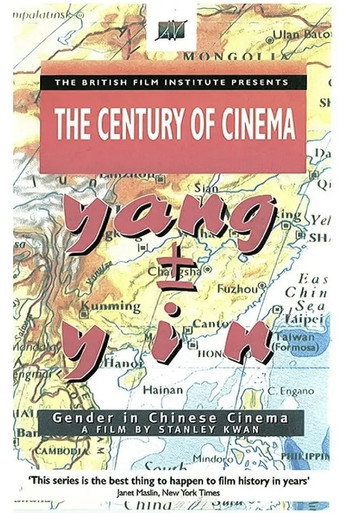
An exploration of Chinese cinema and its relationships with gender and sexuality, which the film argues has been more frankly and provocatively explored than in any other national cinema. Utilizing both film excerpts and interviews with many leading directors and academics, the film examines topics such as male bonding in kung fu movies, depictions of same-sex bonding and physical intimacy, the emphasis on women's grievances in melodramas, and the career of Yam Kim-Fai, a Hong Kong actress who spent her life portraying men on and off the screen.
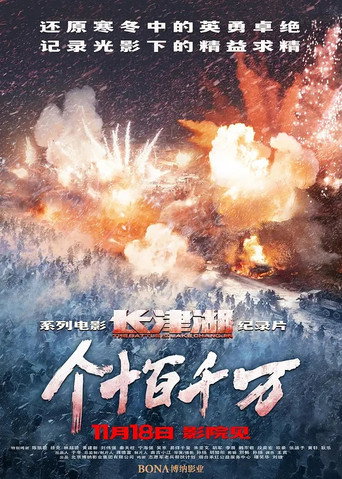
A documentary on the making of China's war epic "The Battle at Lake Changjin".
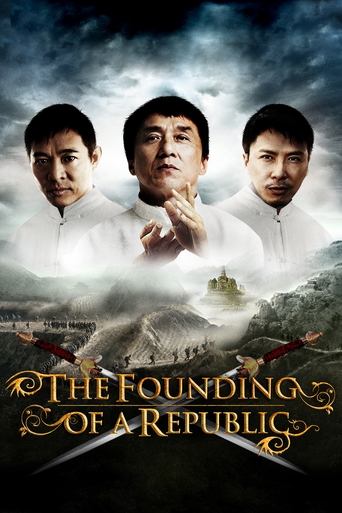
The tale of one man who fought against the tyranny of a ruler and led his people in battle in the ultimate sacrifice for his country.
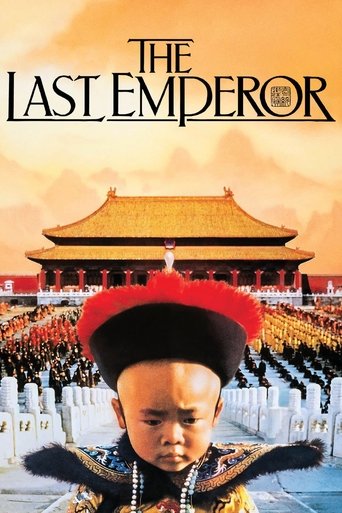
A dramatic history of Pu Yi, the last of the Emperors of China, from his lofty birth and brief reign in the Forbidden City, the object of worship by half a billion people; through his abdication, his decline and dissolute lifestyle; his exploitation by the invading Japanese, and finally to his obscure existence as just another peasant worker in the People's Republic.
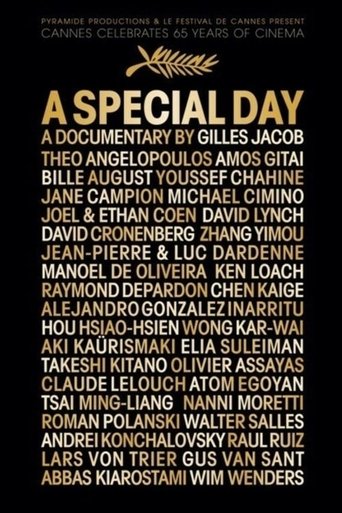
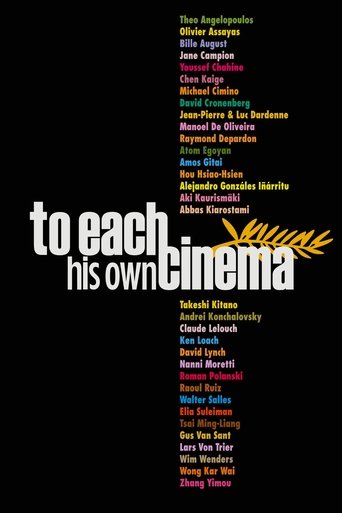
At the 60th anniversary of Cannes Film Festival, 34 famous directors are followed by camera.
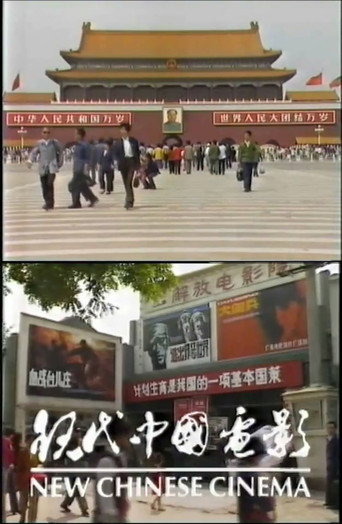
Tony Rayns presents the work of the 'Fifth Generation' and other innovative filmmakers who emerged during the 1980s in China.
Meet Wang Yuelun, a young and ambitious Chinese who dreams of becoming a film director. Filmmaker Elisabeth O. Sjaastad follows an eventful year in his quest to fulfill his dream.
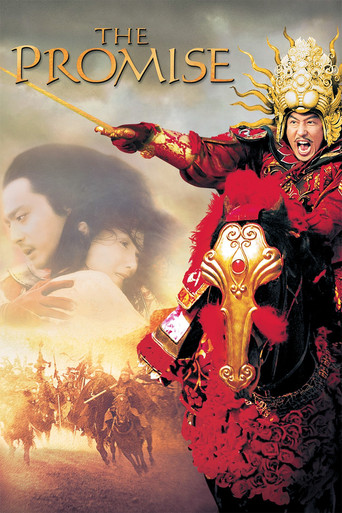
An orphaned girl, driven by poverty at such a young age, makes a promise with an enchantress. In return for beauty and the admiration of every man, she will never be with the man she loves. This spell cannot be broken unless the impossible happens: snow falling in spring and the dead coming back to life. Now a grown and beautiful princess, she regrets her promise, for all of the men she's loved has always been met with tragedy.
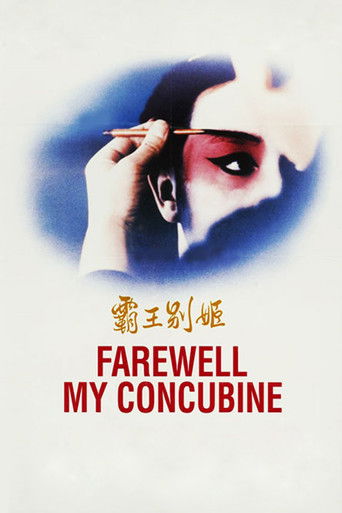
In an epic tale of theater, gender, love and class, two Beijing opera actors navigate political turmoil as their friendship evolves over decades.
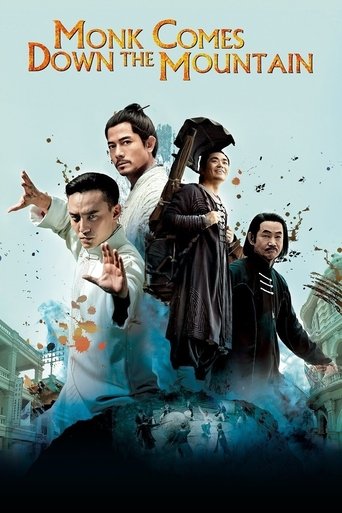
A monk leaves his monastery and ventures out into the real world for the first time in his life, and ends up in an adventure with a kung-fu master who is guarding a special artifact.
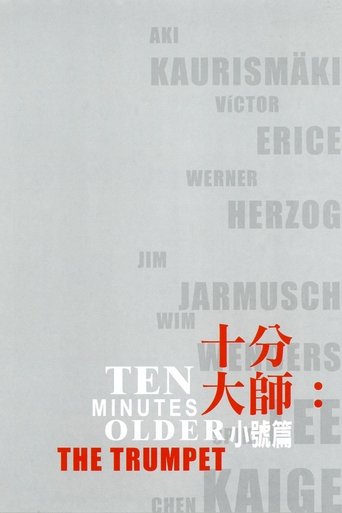
Ten Minutes Older is a 2002 film project consisting of two compilation feature films entitled The Trumpet and The Cello. The project was conceived by the producer Nicolas McClintock as a reflection on the theme of time at the turn of the Millennium. Fifteen celebrated film-makers were invited to create their own vision of what time means in ten minutes of film.
Commissioned to mark the 60th anniversary of the Cannes Film Festival, "To Each His Own Cinema" brought together 33 of the world's pre-eminent filmmakers to produce short pieces exploring the multifarious facets of cinema and their perspective on the state of their chosen artform in the early 21st century.
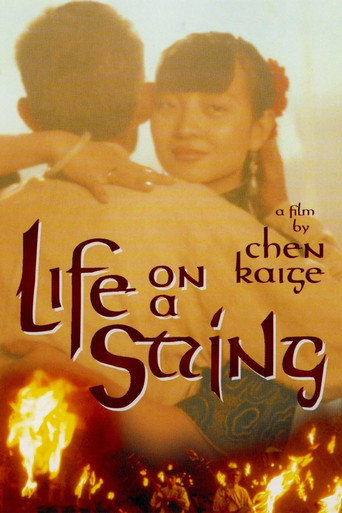
A blind man's master told him that after he has broken 1000 strings on his Banjo, he can open the Banjo to get a script for his eyes. After 60 years he broke the 1000th string.
A woman grows suspicious of her controlling husband after she discovers secrets about the women in his past.
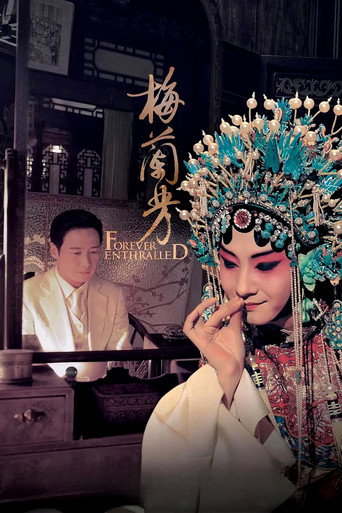
The epic story Mei Lanfang, who overcame the prejudice against artists in 1930s China to become the country's greatest opera star.