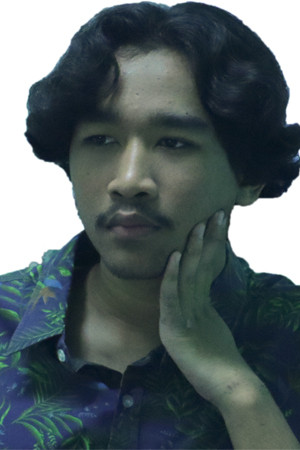
Chatchawan Thongchan Movies, TV Shows, and Filmography
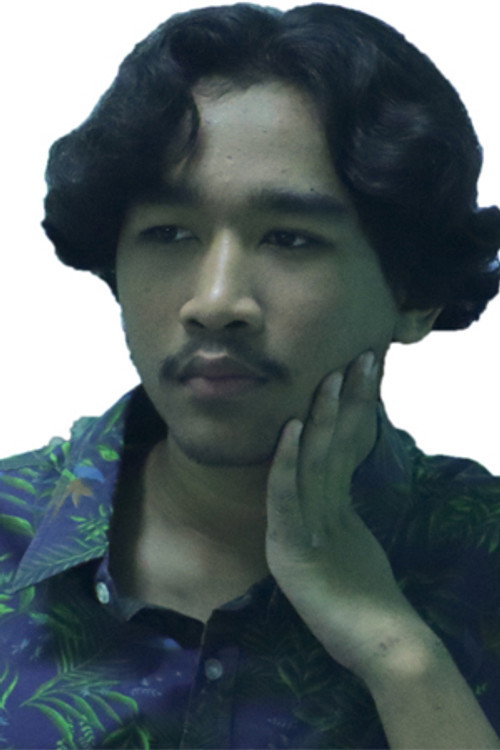
Chatchawan Thongchan
Directing
Biography
Hello to all film enthusiasts whether your love is for short or feature-length films, experimental or serious works, playful projects or festival submissions. I’m Chatchawan Thongchan, born on June 13, 2002. I specialize in supporting and uplifting small creators who are striving to become part of the driving force in the Thai film industry. Currently, I serve as the admin of the Phatthalung Micro Cinema page. A young man from the South chasing dreams, nicknamed “Big,” I moved to Bangkok to study and pursue filmmaking—to create films and collect both the beautiful and painful experiences that come with making a work of art, something that exists both inside and outside the heart.
Filmography Movies
Production
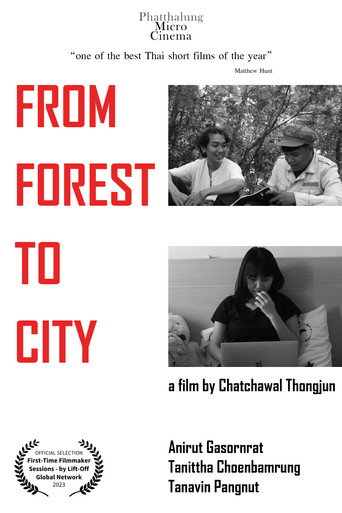
From Forest To City
The story takes place in the year 1977 about the hero fleeing into the forest during the time when soldiers, police suppressed the communists. One day he meets the first villagers, everyone is afraid, but when the hero observes and analyzes that this villager is not disguised. A true villager Little knowledge due to loneliness of having to watch the spot alone, the hero tells the villagers to come back and forth. They are close to each other. It can be seen that only political ideology can divide us. One day the villagers suddenly didn't come as scheduled. The protagonist goes looking for the villagers. making the hero see bad things again
From Forest To City
The story takes place in the year 1977 about the hero fleeing into the forest during the time when soldiers, police suppressed the communists. One day he meets the first villagers, everyone is afraid, but when the hero observes and analyzes that this villager is not disguised. A true villager Little knowledge due to loneliness of having to watch the spot alone, the hero tells the villagers to come back and forth. They are close to each other. It can be seen that only political ideology can divide us. One day the villagers suddenly didn't come as scheduled. The protagonist goes looking for the villagers. making the hero see bad things again
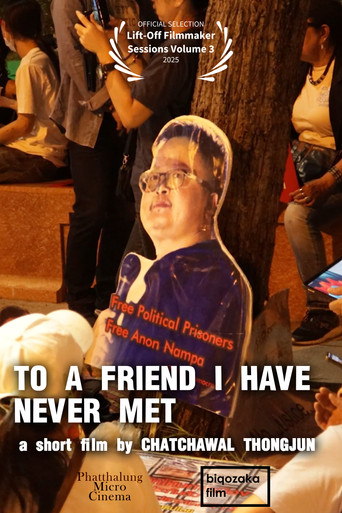
To a Friend I Have Never Met
Here’s a visual concept of the short film scene you described, where two strangers have a serious conversation about political prisoners in Thailand under Section 112. The atmosphere captures the tension and urgency of the discussion.
To a Friend I Have Never Met
Here’s a visual concept of the short film scene you described, where two strangers have a serious conversation about political prisoners in Thailand under Section 112. The atmosphere captures the tension and urgency of the discussion.
To a Friend I Have Never Met
Here’s a visual concept of the short film scene you described, where two strangers have a serious conversation about political prisoners in Thailand under Section 112. The atmosphere captures the tension and urgency of the discussion.
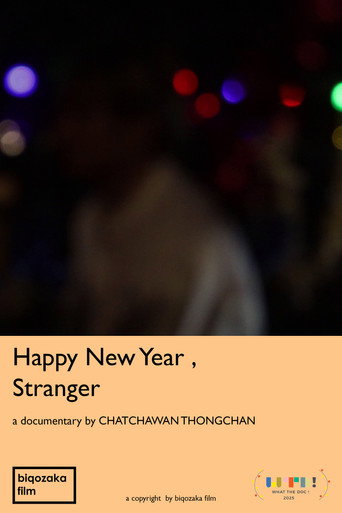
Happy New Year , Stranger
The story follows a group of protesters who oppose the lèse-majesté law, Section 112, amidst a barren political landscape. Despite the oppressive atmosphere, music continues to resonate — a gift for political prisoners behind bars, allowing them to feel a sense of freedom.
Happy New Year , Stranger
The story follows a group of protesters who oppose the lèse-majesté law, Section 112, amidst a barren political landscape. Despite the oppressive atmosphere, music continues to resonate — a gift for political prisoners behind bars, allowing them to feel a sense of freedom.
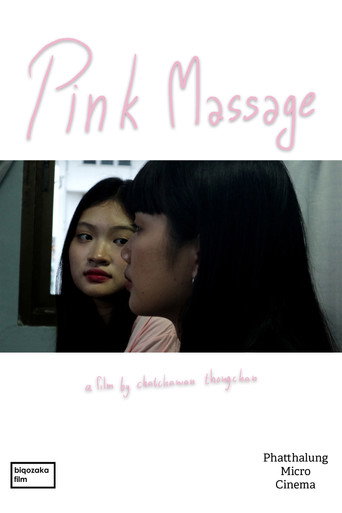
Pink Massage
Pink Massage is a slow cinema feature that explores intimacy, labor, and moral ambiguity in contemporary Bangkok. Set against the backdrop of a city in constant construction, the film follows the quiet rhythms of everyday life, where touch is defined as work and silence carries emotional weight. Through static compositions, long takes, and ambient sound, Pink Massage observes how moments of proximity and stillness can subtly disrupt routines shaped by economic survival. Rather than offering clear narrative resolutions, the film invites viewers to inhabit uncertainty and reflect on how desire, displacement, and human connection exist within systems that seek to define their value.
Pink Massage
Pink Massage is a slow cinema feature that explores intimacy, labor, and moral ambiguity in contemporary Bangkok. Set against the backdrop of a city in constant construction, the film follows the quiet rhythms of everyday life, where touch is defined as work and silence carries emotional weight. Through static compositions, long takes, and ambient sound, Pink Massage observes how moments of proximity and stillness can subtly disrupt routines shaped by economic survival. Rather than offering clear narrative resolutions, the film invites viewers to inhabit uncertainty and reflect on how desire, displacement, and human connection exist within systems that seek to define their value.
Pink Massage
Pink Massage is a slow cinema feature that explores intimacy, labor, and moral ambiguity in contemporary Bangkok. Set against the backdrop of a city in constant construction, the film follows the quiet rhythms of everyday life, where touch is defined as work and silence carries emotional weight. Through static compositions, long takes, and ambient sound, Pink Massage observes how moments of proximity and stillness can subtly disrupt routines shaped by economic survival. Rather than offering clear narrative resolutions, the film invites viewers to inhabit uncertainty and reflect on how desire, displacement, and human connection exist within systems that seek to define their value.
Gallery