Charlie Watts Movies, TV Shows, and Filmography

Charlie Watts
Acting
Biography
Charles Robert Watts (2 June 1941 – 24 August 2021) was an English musician who was the drummer of the Rolling Stones from 1963 until his death in 2021. Originally trained as a graphic artist, Watts developed an interest in jazz at a young age and joined the band Blues Incorporated. He also started playing drums in London's rhythm and blues clubs, where he met future bandmates Mick Jagger, Keith Richards and Brian Jones. In January 1963, he left Blues Incorporated and joined the Rolling Stones as drummer, while doubling as designer of their record sleeves and tour stages. Watts's first public appearance as a permanent member was in February 1963; he remained with the band for 58 years until his death, at which time he, Jagger and Richards were the only members of the band to have performed on every one of their studio albums. Nicknamed "the Wembley Whammer" by Jagger, Watts cited jazz as a major influence on his drumming style. Aside from his career with the Rolling Stones, Watts toured with his own group, the Charlie Watts Quintet, and appeared in London at Ronnie Scott's Jazz Club with the Charlie Watts Tentet. In 1989, Watts was inducted into the Rock and Roll Hall of Fame with the Rolling Stones, and in 2004, he was inducted into the UK Music Hall of Fame, also with the Rolling Stones. He has been ranked among the greatest drummers of all time. Description above from the Wikipedia article Charlie Watts, licensed under CC-BY-SA, full list of contributors on Wikipedia.
Filmography Movies
Acting
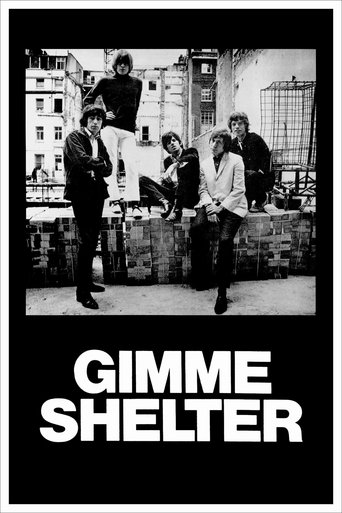
Gimme Shelter
A detailed chronicle of the famous 1969 tour of the United States by the British rock band The Rolling Stones, which culminated with the disastrous and tragic concert held on December 6 at the Altamont Speedway Free Festival, an event of historical significance, as it marked the end of an era: the generation of peace and love suddenly became the generation of disillusionment.
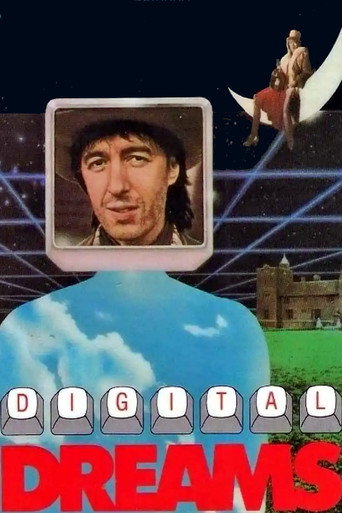
Digital Dreams
An amalgam of documentary and cinema verité, this movie outlines the life, loves and music of Rolling Stones bass guitarist Bill Wyman. After leaving the Stones in 1981, Wyman tried to establish his own separate musical identity, conveyed here through a stream of hallucinatory images and animated sequences.
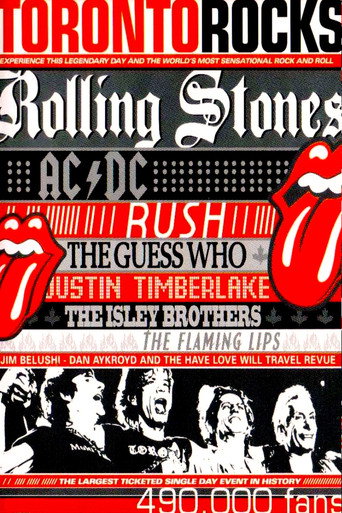
Toronto Rocks
Molson Canadian Rocks for Toronto was a benefit rock concert that was held in Toronto, Ontario, Canada on July 30, 2003. It was also known as "Toronto Rocks,""Stars 4 SARS," "SARSStock,","SARSfest," "SARS-a-palooza," the "SARS concert," or, more descriptively, "The Rolling Stones SARS Benefit Concert." Estimated to have between 450,000 and 500,000 people attending the concert, it is the largest outdoor ticketed event in Canadian history, and one of the largest in North American history.
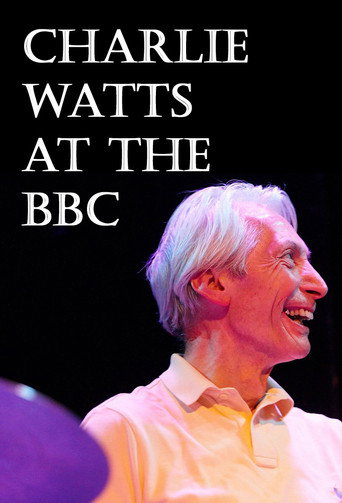
Charlie Watts at the BBC
Cerys Matthews takes us on a journey through the archives to celebrate one of Britain's greatest drummers and his musical projects and passions. Including a Later… with Jools Holland performance from his side outfit The ABC & D of Boogie Woogie, a recently recorded jazz session for BBC Four, and a Rolling Stones gem.
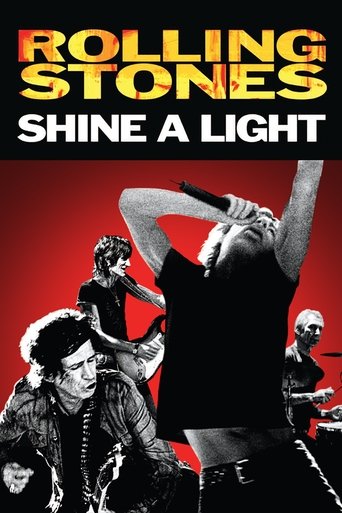
Shine a Light
Martin Scorsese’s electrifying concert documentary captures The Rolling Stones live at New York’s Beacon Theatre during their A Bigger Bang tour. Filmed over two nights in 2006 with an all-star team of cinematographers, the film combines dynamic performances with archival footage and rare glimpses behind the scenes, offering a vibrant portrait of the band’s enduring energy and legacy.
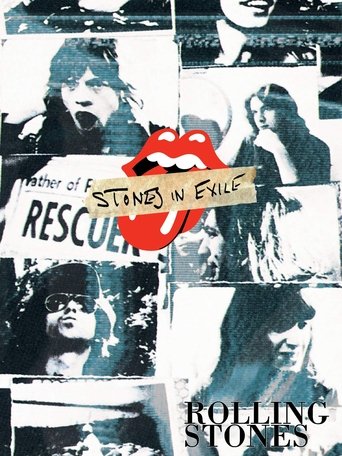
The Rolling Stones: Stones in Exile
In 1971, to get breathing room from tax and management problems, the Stones go to France. Jimmy Miller parks a recording truck next to Keith Richards and Anita Pallenberg's Blue Coast villa, and by June the band is in the basement a few days at a time. Upstairs, heroin, bourbon, and visitors are everywhere. The Stones, other musicians and crew, Pallenberg, and photographer Dominique Tarle, plus old clips and photos and contemporary footage, provide commentary on the album's haphazard construction. By September, the villa is empty; Richards and Jagger complete production in LA. "Exile on Main Street" is released to mediocre reviews that soon give way to lionization.
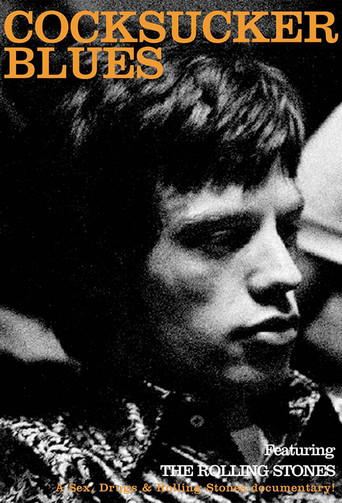
Cocksucker Blues
This fly-on-the-wall documentary follows the Rolling Stones on their 1972 North American Tour, their first return to the States since the tragedy at Altamont.
Rolling Stones: 50 Years on Video - Black Edition
A collection of promotional videos and rarities from the 1960s, 1970s and 1980s.
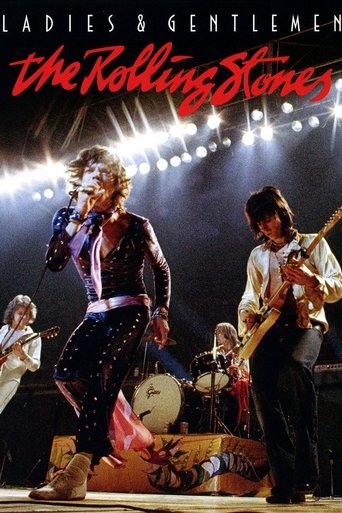
Ladies & Gentlemen, the Rolling Stones
A concert film taken from two Rolling Stones concerts during their 1972 North American tour. In 1972, the Stones bring their Exile on Main Street tour to Texas: 15 songs, with five from the "Exile" album. Mick Jagger, Keith Richards, Mick Taylor, Charlie Watts, and Bill Wyman on a small stage with three other musicians. Until the lights come up near the end, we see the Stones against a black background. The camera stays mostly on Jagger, with a few shots of Taylor. Richards is on screen for his duets and for some guitar work on the final two songs. It's music from start to finish: hard rock ("All Down the Line"), the blues ("Love in Vain" and "Midnight Rambler"), a tribute to Chuck Berry ("Bye Bye Johnny"), and no "Satisfaction."
Production
Rolling Stones: Four Flicks
Tip of the Tongue Documentary Extras Licks Around the World Toronto Rocks DVD Trailer Bootlegs: "Beast of Burden" "You Don't Have to Mean It" "Rock Me Baby" "Bitch" "I Can't Turn You Loose" "Extreme Western Grip" "Well, Well" (1–4: 4 November 2002 at Wiltern Theatre, Los Angeles, CA, USA) (5: 8 June 2003 at Circus Krone, Munich, Germany) (6,7: In-studio) Select-a-Stone: "Monkey Man" (Multi-angle)
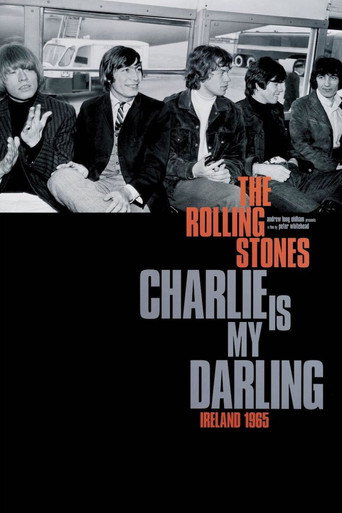
Charlie Is My Darling
Charlie Is My Darling, directed by Peter Whitehead, was the first documentary film about The Rolling Stones. The movie was shot during the band's two-day tour of Ireland on 3 and 4 September 1965, and was completed in the spring of 1966. It received only spotty release in 1966 before being withdrawn, and has seldom been seen since then.
Gallery