Acting
No biography available.
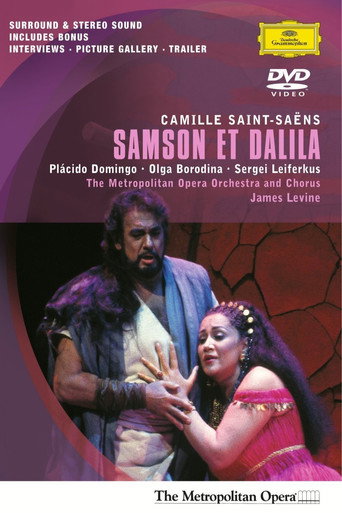
Elijah Moshinsky's production of Saint-Saëns's "Samson et Dalila", recorded live at the Metropolitan Opera 28 September 1998. Plácido Domingo and Olga Borodina star as Samson and Dalila with Sergei Leiferkus as Grand-prêtre de Dagon, Richard Paul Fink as Abimélech, and René Pape as Un vieillard hébreu. James Levine conducts.
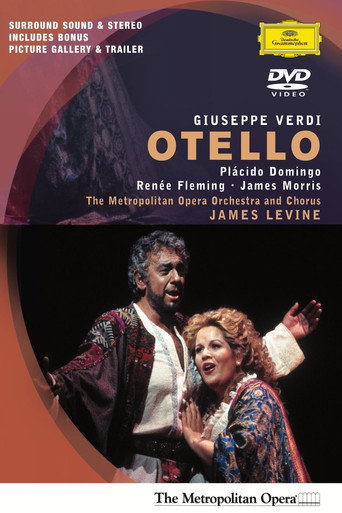
Verdi’s monumental score is fully the equal of Shakespeare’s famous tragedy—and both demand great actors. This is one performance where both playwright and composer are well served. Plácido Domingo’s Otello is one of the glories of the operatic world, beautifully sung and so commandingly acted that audiences are devastated by the end. Renée Fleming’s ravishingly beautiful Desdemona is deeply moving, and as Iago, James Morris is as beguiling as he is menacing. Under James Levine’s conducting the Met orchestra and chorus are vital characters in the drama.
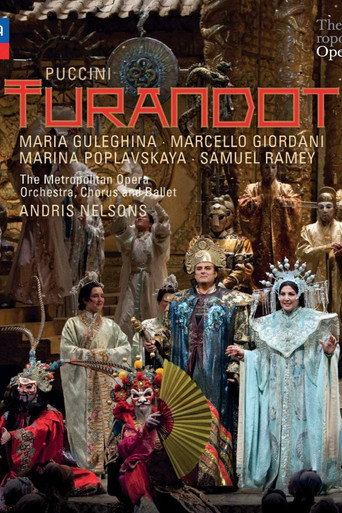
Franco Zeffirelli's magnificient staging of Puccini's final opera - a fairy tale set in a mythical China - is one of the most popular in the Met repertory. In this Live in HD production, Maria Guleghina takes on the title role and Marcello Giordani is Calaf, the unknown prince. Marina Poplavskaya and Samuel Ramey co-star, and Andris Nelsons conducts in his Met debut.
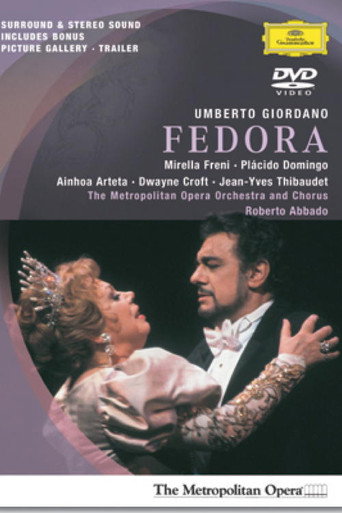
Princess Fedora, who is to marry the Count the following day, arrives and sings of her love for him, unaware that the dissolute Count has betrayed her with another woman. The sound of sleigh-bells is heard, and the Count is brought in mortally wounded. Doctors and a priest are summoned, and the servants are questioned. It is proposed that Count Loris Ipanov, a suspected Nihilist sympathiser, was probably the assassin. De Siriex (a diplomat), and Grech (a police inspector) plan an investigation. Fedora swears on the jewelled Byzantine cross she is wearing that Count Andrejevich's death will be avenged.
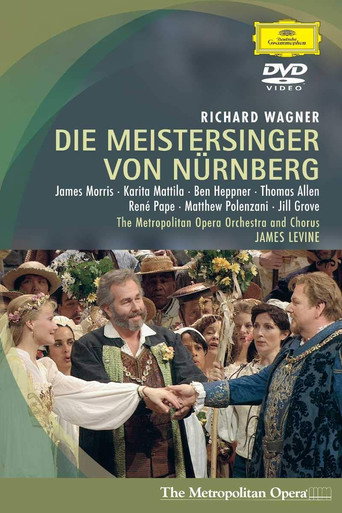
James Morris leads an all-star cast including Karita Mattila, Ben Heppner, Thomas Allen and René Pape, in this production of Wagner's comic opera, recorded live at New York's Metropolitan Opera in 2001. James Levine conducts.
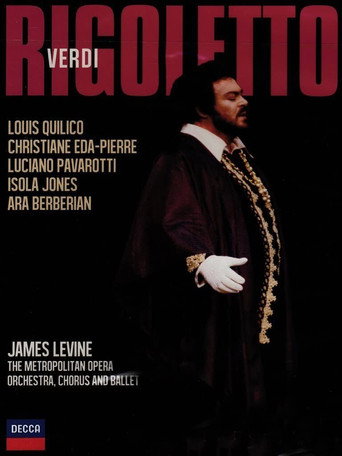
The opera's dramatic structure frames and enhances the characters. Scenes of magnificence regularly alternate with scenes of darkness and squalor. From sumptuous interiors, we move to a dark street, a lonely inn. The secondary figures are astutely counterpoised: the plotting courtiers against the plotting Sparafucile and Maddalena (also ambiguously tender-hearted). When Rigoletto says "Pari siamo", he could be expressing the motto of the whole work: the beautiful and the ugly can be equally good, equally evil.
Verdi's opera performed by the Metropolitan Opera Orchestra and Chorus, conducted by James Levine.
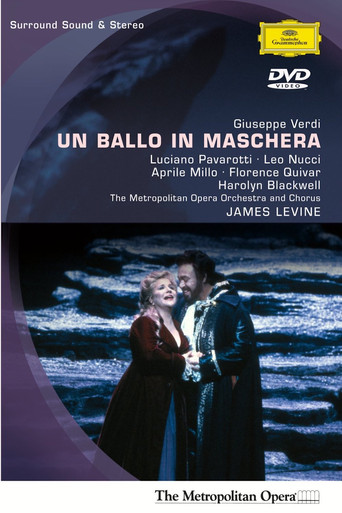
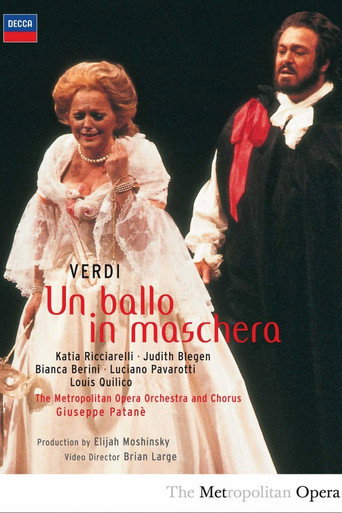
Live from the Metropolitan Opera, 14 February 1980. This version takes place in Boston rather than Sweden.
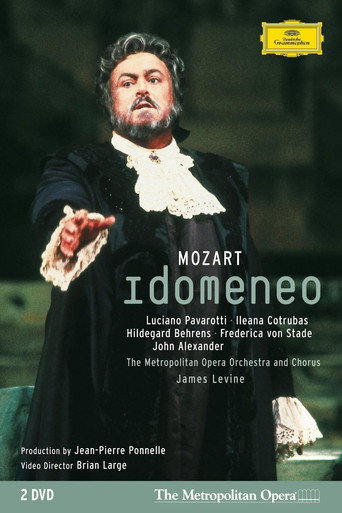
Opera royalty Luciano Pavarotti brings dignity and power to the title role in this 1982 production. During a squall at sea, Idomeneo -- the king of Crete -- swears to Neptune that if the monarch survives, he'll sacrifice the first person he encounters onshore. Tragically, that person ends up being his son, Idamante (Frederica Von Stade). Maestro James Levine masterfully conducts the orchestra and chorus of the Metropolitan Opera. A musical production that was designed for the "Live From the Met" series, this program was produced by Jean-Pierre Ponnelle.
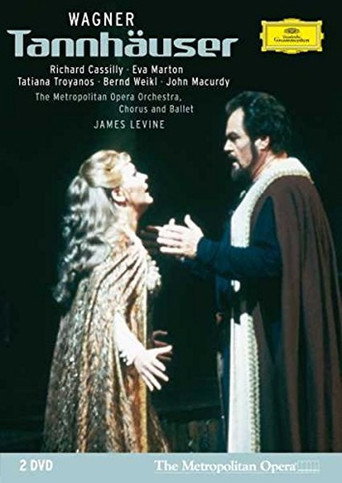
As renowned for its harmonious overture as for its romantic storybook characters, this three-act masterwork features some of the composer’s most groundbreaking and unforgettable music, as well as a theme the young Wagner would revisit again and again later in his career—the redemptive and transcendent power of a woman’s love. The enchanting plot harks back to medieval history: Wolfram is a lovesick troubadour who desires the virtuous Elisabeth. She, however, has eyes for another: the rebellious knight Tannhäuser, who in turn cannot get over an overwhelming sensual experience in the realm of the goddess Venus, and is banished for singing her praises at court. Only saintly Elisabeth’s death can atone for his misdeeds.