Chang Chao-Tang Movies, TV Shows, and Filmography
Chang Chao-Tang
Directing
Biography
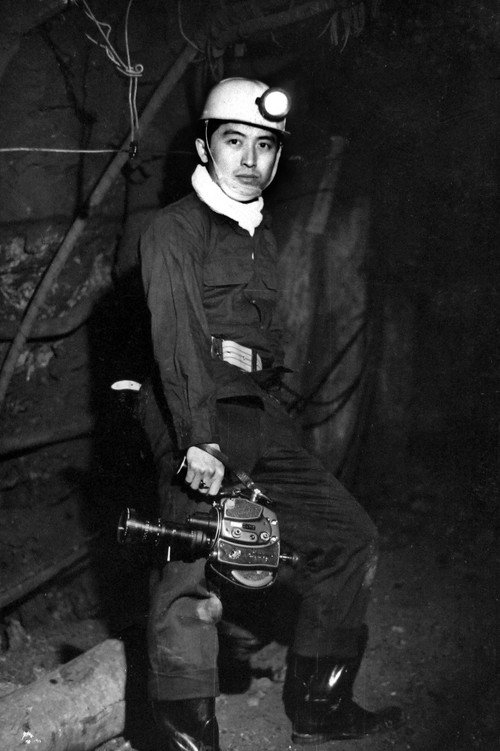
Chang Chao-Tang (張照堂) was a Taiwanese photographer, documentary filmmaker and cinematographer. In 1965, Chang and his teacher Cheng Shang-Hsi (鄭桑溪) organized his first duo exhibition called Modern Photography (現代攝影雙人展). In 1966, he participated in the Modern Poetry Exhibition (現代詩展). In 1967, his 8mm short film Diary (日記) was shown at a screening organized by Theatre Quarterly (劇場). He joined CTV New Channel(中視新聞) in 1968, first as a photojournalist, and then producing documentaries. In 1974, he created an exhibition called Farewell to Photography (攝影告別展). Beside his career as an artist, he also taught at the Institute of Sound and Image of the National University of Taiwan.
Filmography Movies
Acting
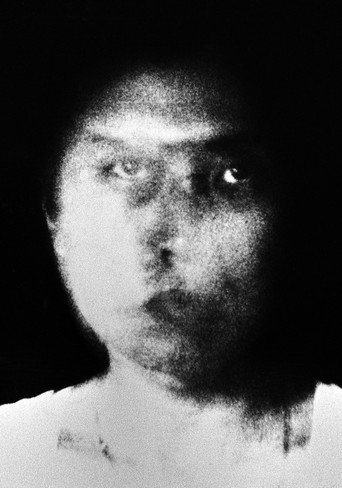
Face in Motion
Face in Motion depicts Chang Chao-Tang from the shoulders up, dressed in a light tank top, shaking his head and contorting his face. The background is pitch black, and he is lit with an almost otherworldly glow. The artist recorded at two frames per second, rather than the typical twenty-four, speeding up the erratic movement. He occasionally flips upside down or appears in blue and green colourised layers on top of the colourless original. A high-intensity electronic track, ‘Pulstar’, by the Greek musician Vangelis, accompanies the video and accentuates its volatile energy.
家庭/電影
During his period working in Taiwan, Christopher Doyle made this experimental short film documenting the families of friends around him. This film received an Honorable Mention at the 4th Golden Harvest Awards (1981).
逆旅與幻象
Early collaboration between Chang Chan-tang and Christopher Doyle documenting the friendship of their inner circle in Taiwan during the early 80s.
The Instant of Gaze: Portraits by Chang Chao-Tang
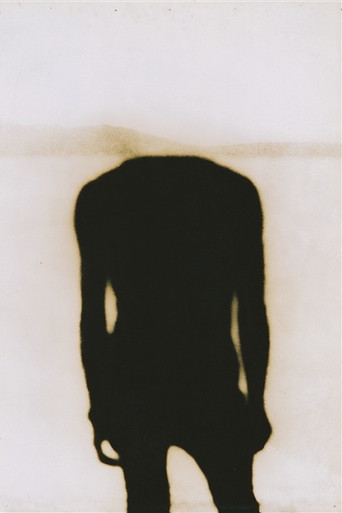
A biographical documentary filmed in 1999 on the occasion of Chang Chao-tang (張照堂) receiving the National Award for Arts (國家文藝獎) in the Fine Arts category (美術類). In the film he is credited as both director and editor under the pseudonym “Gao Shang-tu” (高尚土)—a name derived by decomposing the character “tang” (堂) into its constituent elements “gao” (高), “shang” (尚), and “tu” (土). Semantically, the pseudonym implies a counter-reference to the notion of temple-like, institutional “high culture,” redirecting emphasis instead toward the vernacular and the earthy—suggesting that what is truly “noble” lies in the force emerging from the “soil” (土) of the people. For this reason, the film may also be understood as a semi-autobiographical documentary that carries an element of self-writing within its particular historical context.
Light, Shadow - CHANG Chao-Tang
"Light, Shadow - CHANG Chao-Tang" is a documentary directed by Fu Chi-Chung, built around autobiographical footage that Chang Chao-Tang filmed and edited himself after receiving Taiwan’s National Award for Arts in 1999. The film expands this material with reflections on his life since then, analyses of works from his high-school years, and interviews with people connected to his practice, forming a concise portrait of his life and artistic career. Eschewing conventional narration, the film relies on ambient sound, location audio, and black-and-white slide projections of Chang’s photographs. By revisiting sites from his earlier works, it creates a dialogue between past and present while documenting the everyday lives and rituals of ordinary people in Taiwan. Through a stance of being “present” yet “non-intervening,” Chang’s images bear witness to the transformations of Taiwanese society over the past half century.
Production
Homage to Chen Da
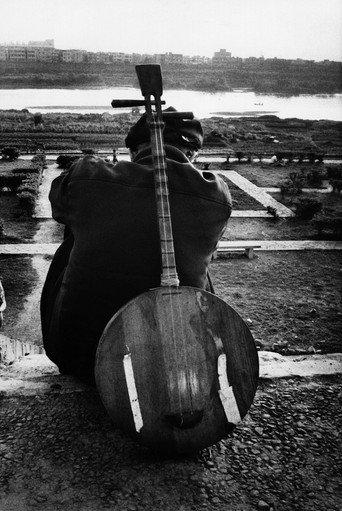
Chen Da, born in 1905, learned traditional Taitung-style songs as a boy. Working as a cowherd and fisherman, he travelled from Hengchun to Taitung. He began his career as a wandering minstrel at 20. Homage to Chen Da portrays his life and singing in various settings, including his hometown and the well-known musical venue in Taipei, Scarecrow Restaurant.
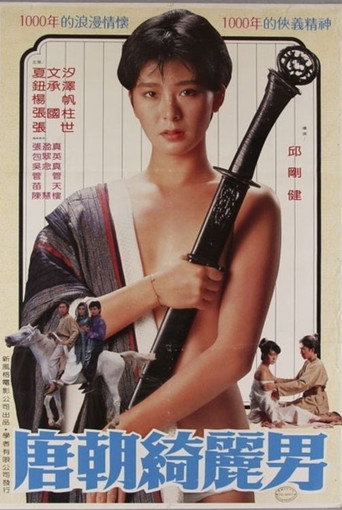
The Glamorous Boys of Tang
A surreal uninhibited adventure between two boys, their mysterious love interest and two Japanese monks in the Tang dynasty. Feature debut by the acclaimed scriptwriter Chiu Kang-Chien.
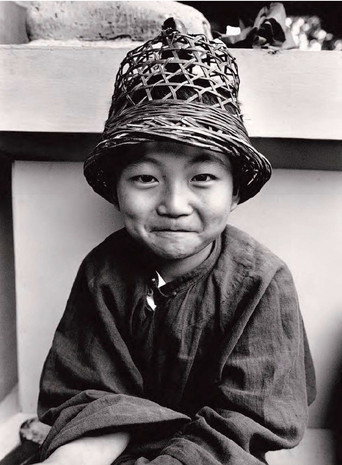
The Boat-Burning Festival
Shot by Chang Chao-Tang and cinematographer Christopher Doyle, The Boat Burning Festival captures the ceremony worshipping Wangye(王爺), the local god of plague, held every three years in Sucuo Village(蘇厝) in Tainan(台南), Taiwan. Chang timed the work to "Ommadawn", a Celtic-inspired progressive rock album by Mike Oldfield. Defying genre conventions and deviating stylistically from television or ethnographic documentary, the film testifies to the tense and complex coexistence of traditional rites, local folklore, and discourses about modernisation and identity in 1970s Taiwan.
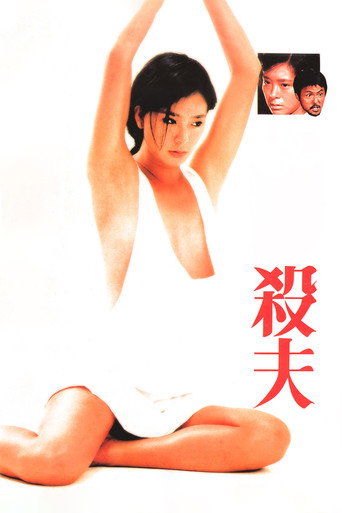
The Woman of Wrath
A woman resorts to prostitution out of hunger and commits suicide shortly after, leaving her daughter to embark on an equally cruel path.
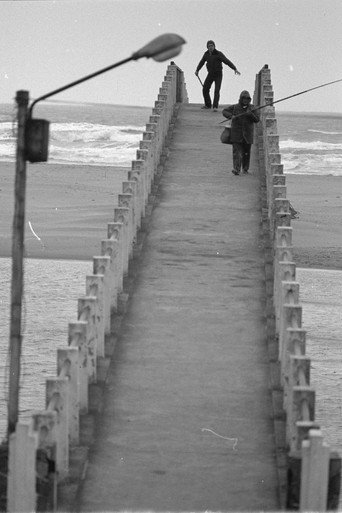
Christine (Film of Her)
A man tries to capture her by making a film. She travels through different countries and time zones, telling her life and thoughts. But the closer he tries to get to her, the further away he finds her, and he ends up with a film of his “Her” but not her.
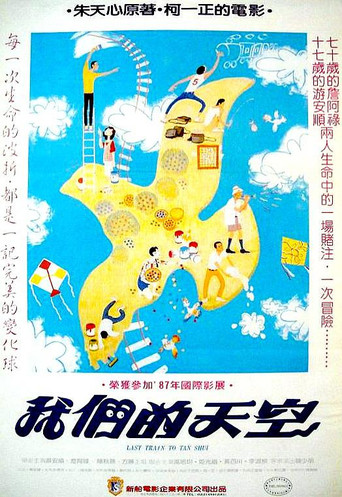
Last Train To Tanshui
Jeui is a teenager who lives in Tamshui, near Taipei City. Jeui never liked to go to school. One day he meets Old Man Shu on a train to Tamshui. Jeui decides to run away from school and spend the day with him on the streets. Accompanied by Old Man Shu, Jeui wanders about in this small town. Jeui loves to play the suona, and falls in love with a sales girl working in a record store. Old Man Shu tries to help Jeui without letting him know. Through Jeui and her do not turn out to be a couple, they share a good friendship since then. However, there are some misunderstandings between Old Man Shu and his children. One day he disappears after a quarrel with them, causing everyone to worry. While looking for Old Man Shu everywhere, Jeui realizes how important he is to him. When Jeui finally finds him, he is sitting alone by the river bank Jeui's care and comfort cheer up Old Man Shu. This is a story of friendship between the young and the old in the small town of Tamshui.
The Boat-Burning Festival
Shot by Chang Chao-Tang and cinematographer Christopher Doyle, The Boat Burning Festival captures the ceremony worshipping Wangye(王爺), the local god of plague, held every three years in Sucuo Village(蘇厝) in Tainan(台南), Taiwan. Chang timed the work to "Ommadawn", a Celtic-inspired progressive rock album by Mike Oldfield. Defying genre conventions and deviating stylistically from television or ethnographic documentary, the film testifies to the tense and complex coexistence of traditional rites, local folklore, and discourses about modernisation and identity in 1970s Taiwan.
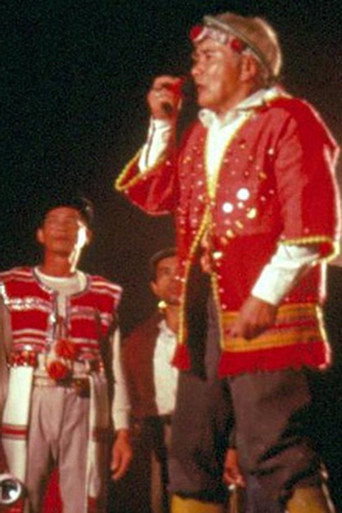
Songs of Pasta'ay
The Pasta’ay, which means "the festival of the legendary little people," is a significant ritual held every other year in the Saisiat aborigine group in Taiwan. Every ten years, they hold the Great Ritual. This film focuses on the Great Ritual in 1986. It tries to convey the Saisiat people’s affection for and belief in the legendary little people. At the same time, the film brings into light Saisiat people’s ambivalence towards tourist invasion, and their dilemma of being caught between tradition and modernization. Structured by the Pasta’ay songs’ movements, the film breaks down to 15 chapters. It carefully juxtaposes the visual with the aural elements, which are conveyed in the conceptual dichotomy between “the real” and “the artificial.”
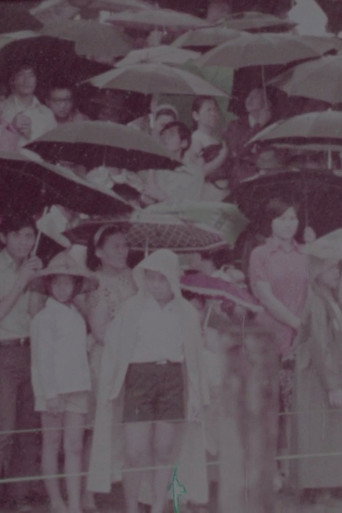
The Dragon Boat Festival
The riverbanks are dotted with food stalls and buzzing with the parasol-holding crowd. Everyone is here to watch the exciting dragon boat race. Voice-over narration in melodic Taiwanese describes pre-festival preparation, and the celebrations and rituals in various parts of Taiwan. Through carefully-crafted script and well-executed camerawork, this documentary gives a vibrant portrait of ordinary people’s lives in a festive atmosphere.
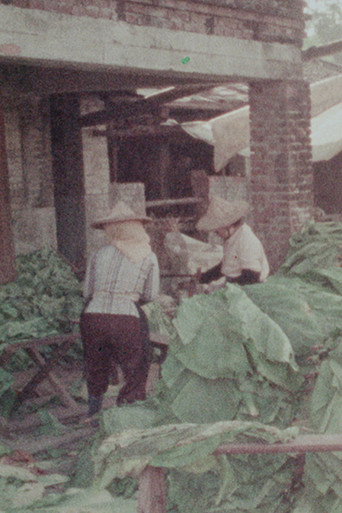
Meinung, A Town Cherishing Tradition
The townspeople of Meinung inherited their Hakka ancestors' stamina, diligence and optimism. They continue treasured traditional practices, notably the production of oiled-paper umbrellas.
Gallery