Writing
No biography available.
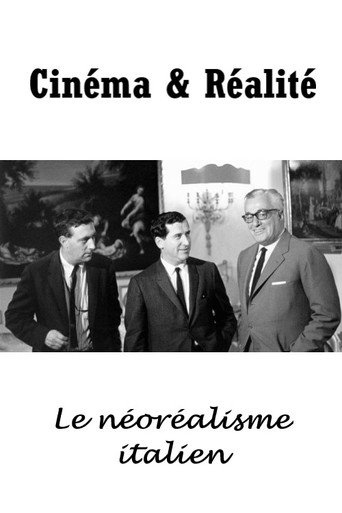
In this documentary, giants of italian cinema such as Rossellini, De Sica, Fellini and Zavattini talk about the importance of cinema after WW2, and about huge moments of social rebellion. This movie gives the floor to the creators of italian neorealism.
Mario Soldati accompanies us once again, after the journey in the Po valley, in search of genuine foods, this time to discover the culinary traditions of Christmas lunch. Cesare Zavattini tells about the typical Christmas dishes of his region. The broadcast aired on December 17, 1958.
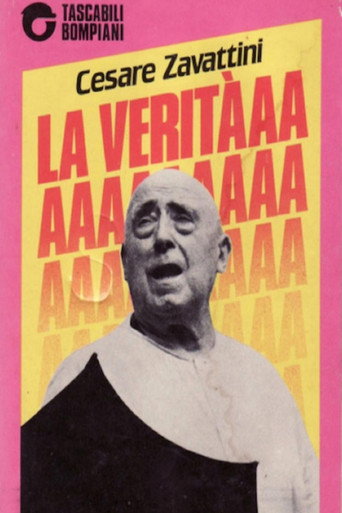
The film tells of old Antonio, 81, who refuses to stay in a mental home and walks away. He hits the streets to give a message to people: be yourselves, tell what you think, make love and stop with violence against the weaker members of society. When he realizes nobody will listen, he tries to take his life by holding his breath, but he doesn't succeed.
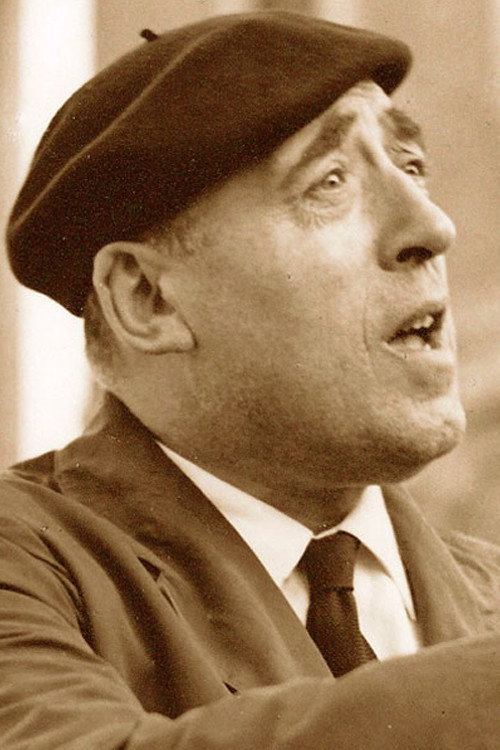
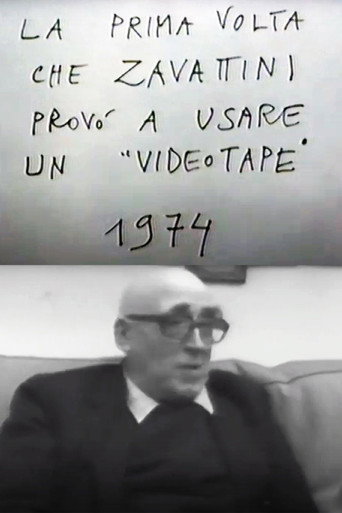
Documentary about Italian film screenwriter Cesare Zavattini
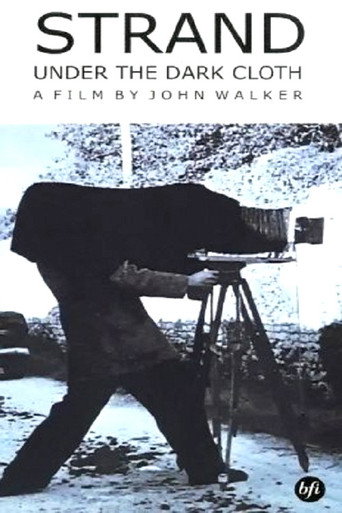
This documentary studies the life and artwork of photographer Paul Strand, using his own compelling photography as well as interviews with his friends, acquaintances and third wife. Documentarian John Walker explores the various influences Strand encountered throughout his life that helped him to develop as an artist. His personal life and relationships are examined and shed light on the inner working of this man who achieved great renown while hiding "under the dark cloth."
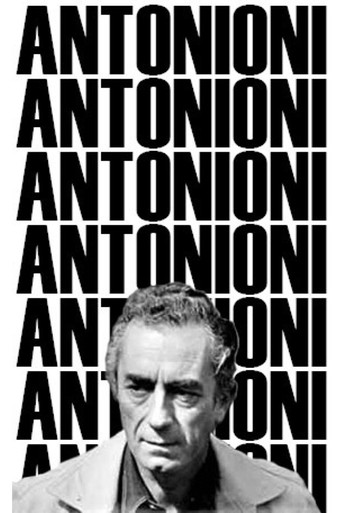
A behind-the-scenes documentary about director Michelangelo Antonioni as he's shooting his segment of The Three Faces, a vehicle for Soraya, the former empress of Persia. Featuring interviews with Monica Vitti, Tonino Guerra and more.
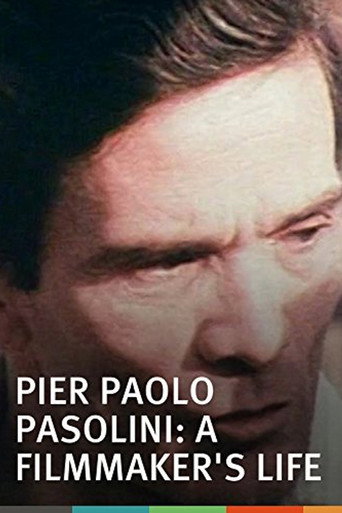
Documentary about Italian movie director Pier Paolo Pasolini, with interviews with some of his actors and friends.
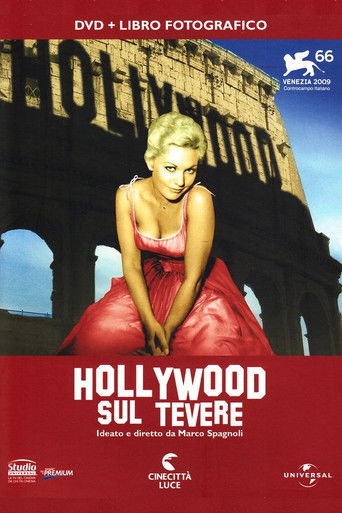
Biggest Hollywood stars in Italy from 1950 to 1970 through Cinecittà Luce's archives.
The following documentary on screenwriter, publisher, novelist, and film theorist Cesare Zavattini was made in 2019 and is part of an ongoing Italian television series profiling important historical figures. Each episode in the series, “Italiani con Paolo Mieli,” is introduced by Mieli, a journalist and the editor of Italy’s leading newspaper.
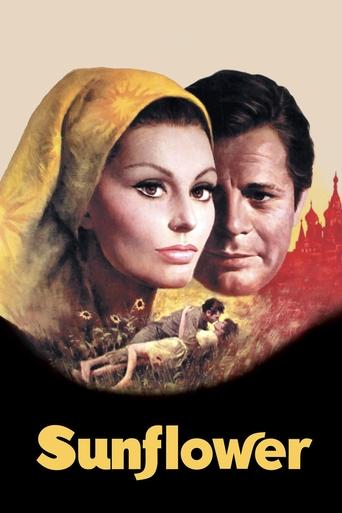
After World War II, a woman refuses to believe her husband, missing on the Russian front, is dead. Flashbacks reveal their brief courtship and marriage. Years later, she travels to Russia with his photo, determined to find him. What will she discover?
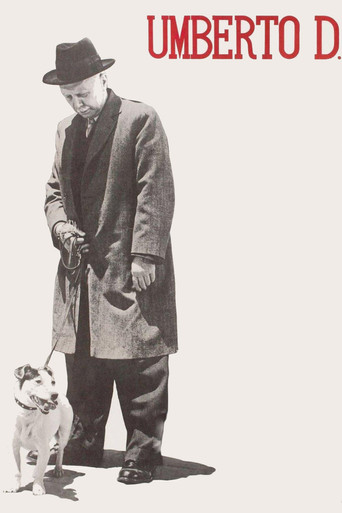
When elderly pensioner Umberto Domenico Ferrari returns to his boarding house from a protest calling for a hike in old-age pensions, his landlady demands her 15,000-lire rent by the end of the month or he and his small dog will be turned out onto the street. Unable to get the money in time, Umberto fakes illness to get sent to a hospital, giving his beloved dog to the landlady's pregnant and abandoned maid for temporary safekeeping.
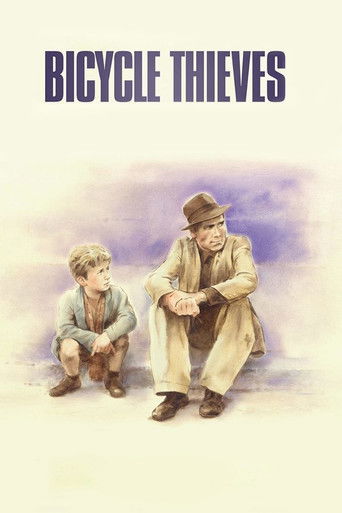
Unemployed Antonio is elated when he finally finds work hanging posters around war-torn Rome. However on his first day, his bicycle—essential to his work—gets stolen. His job is doomed unless he can find the thief. With the help of his son, Antonio combs the city, becoming desperate for justice.
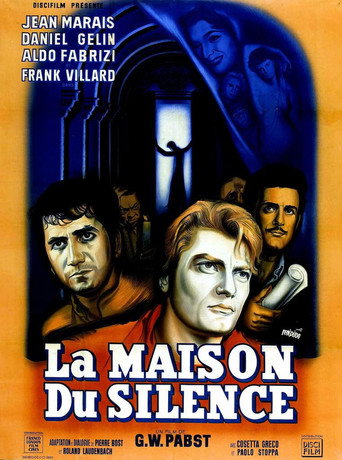
The film follows men from all walks of life, seeking to give meaning to their lives and rediscover their inner peace during a retreat in the “House of Silence”. For three days, they meditate on their lives.
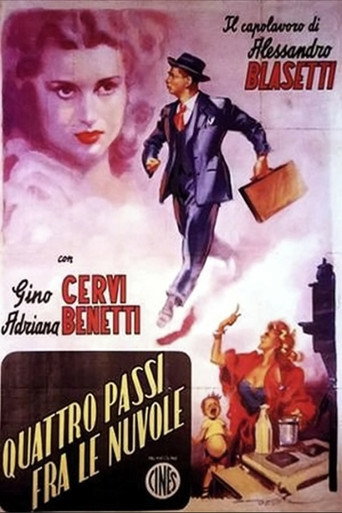
Travelling family man Paolo agrees to pose as husband to an unwed pregnant girl he meets on a train. However, once faced with her father, things do not go as planned.
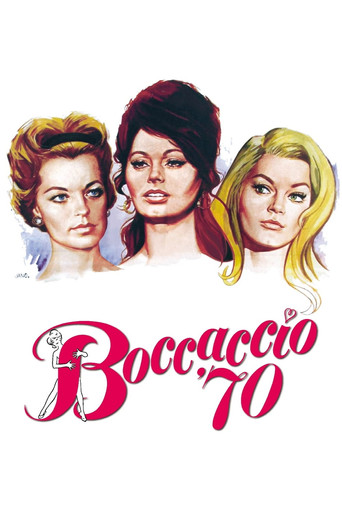
An anthology of four comic moral tales about the hypocrisies surrounding sex in 1960s Italy: frothy young love and office politics in the big city; milk advertisements that begin to haunt an aging prude; a trophy wife enduring her husband's very public affairs; a lucky ticket-holder at a small town fair.
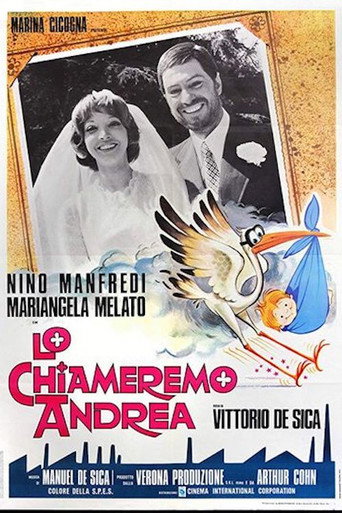
Paolo and Maria are two elementary teachers, who love each other, but can not have a child.
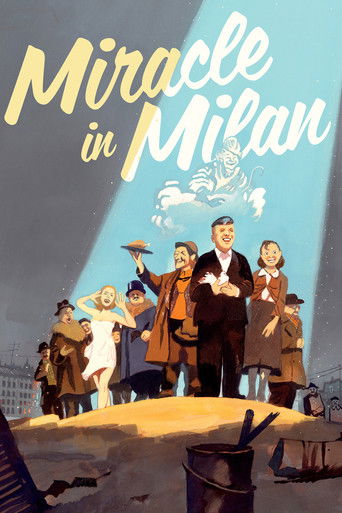
Once upon a time a wise and kind old woman discovers a baby in her cabbage patch. She brings up the child and, when she dies, the boy, Totò, enters an orphanage. Totò leaves the orphanage a happy young man, and looks for work in post-war Milan. He ends up with the homeless and organizes them to build a shanty town in a vacant lot. But when greedy developers threaten the community’s land, Totò will need all the help he can get in order to find an impossible way out.
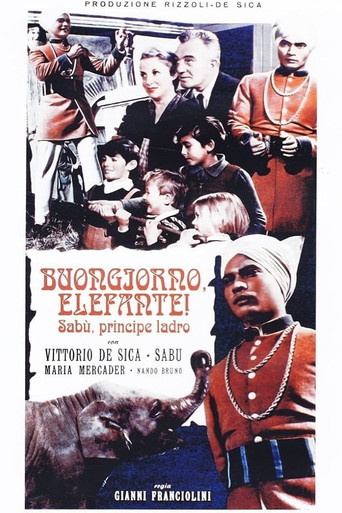
Vittorio De Sica is a teacher struggling to take care of his family and always dreaming that Parliament will increase the salaries for teachers and life will become easier for his wife, Maria Mereander, and kids. An Indian prince (Sabu) visits Italy, is assisted by the teacher and gives De Sica a baby elephant as a reward. This upsets the landlord, Nando Bruno, the other tenants, and the neighborhood. He takes the elephant away but, like Lassie, it comes home.