Directing
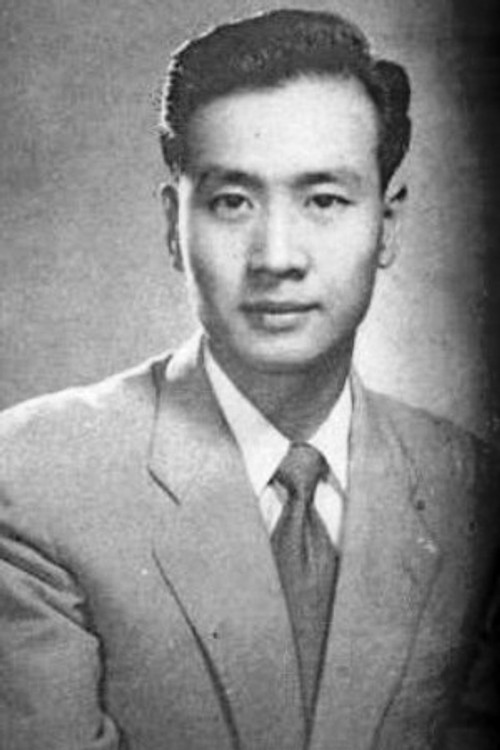
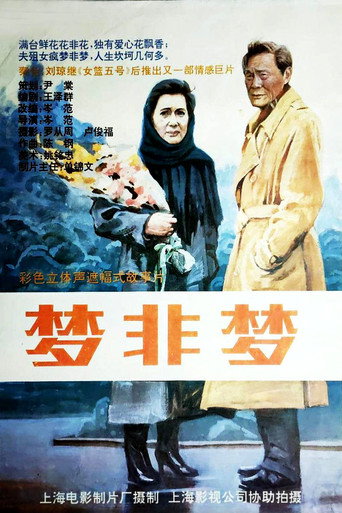
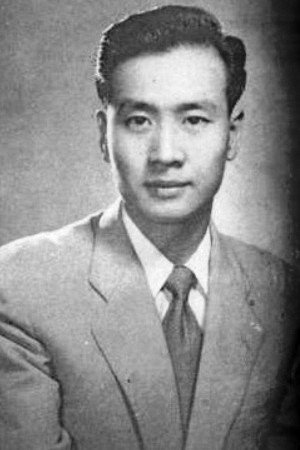
Cen Fan (岑范) was a Chinese director and actor.
HK drama film.
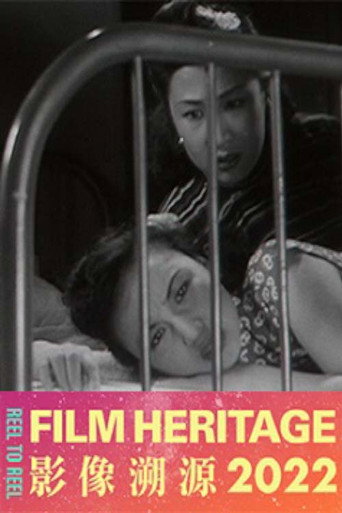
The Goddess (1934) is remade once again. In this version, Zhu Shilin tackles the anxiety concerning the clash of 20th century Chinese traditions and modern Western culture. Despite her father’s strict discipline, Fun still manages to have a boyfriend secretly and give birth to twins. After leaving her son to her father, she takes off with her daughter. Twenty years later, Fun has become a streetwalker. The three generations finally come face-to-face at the police station. Her father laments that his generation should be ousted while Fun’s generation has been sacrificed, leaving the future for the next generation to establish. Zhu carefully depicts the shame of selling one’s body without passing judgment while he finds balance and reflects on the pain in the age of progress. Even though the production was far from lavish, Zhu’s astute handling of the narrative and mise-en-scène makes this a vivid and exciting film to watch.
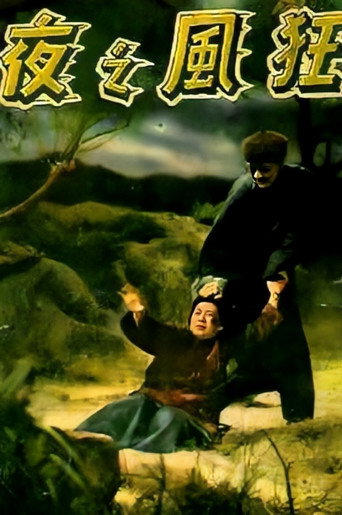
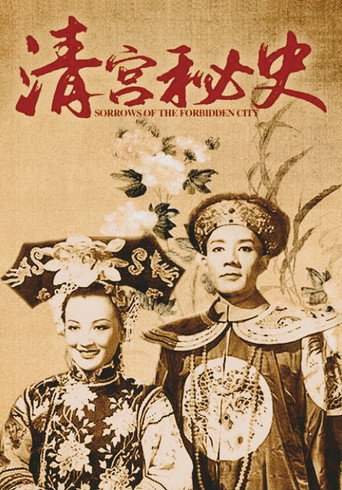
The film focused on a conflict between Empress Dowager Cixi, her son Guangxi (the nominal emperor) and his wife, Zhen Fei.
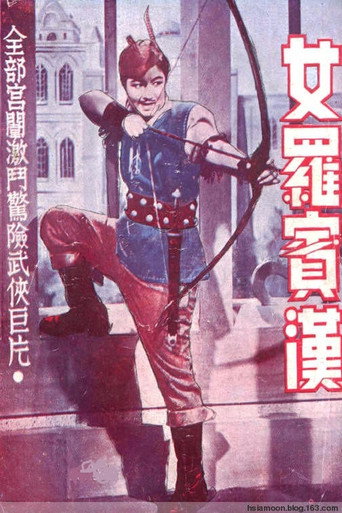
A sick king instructs his loyal minister Luo Zhengqing to guide and install the crown prince as king after his death. However, the minister of the army, Situ Yangming, makes a grab for power after the King's death and incarcerates the crown prince. Luo's daughter disguises herself as the male bandit Robin Hood, robbing government offices to help the poor. Meanwhile, Situ orders captain of the imperial guards, Zhang Zhonggeng, to kill the crown prince. Zhang is a loyalist and conspires with Lady Robin Hood to save the crown prince. When Situ discovers that the prince has escaped, he falsifies the late King's will and has himself crowned as king. However, the female Robin Hood has stolen the original will. The female Robin Hood kills Situ and installs the crown prince as the ruler.
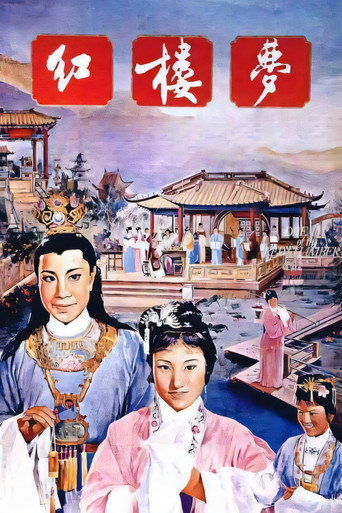
A musical adaptation of 'Dream of the Red Chamber'
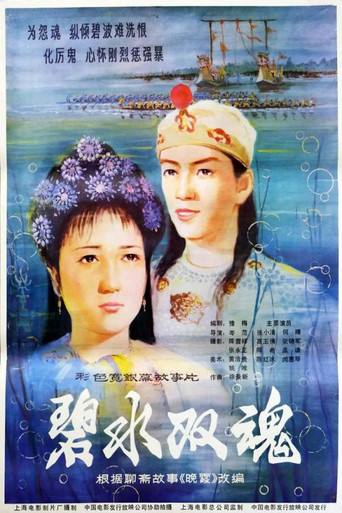
A beautiful girl is humiliated by powerful people both in the human world and dragon palace, and tries to suicide with her lover.
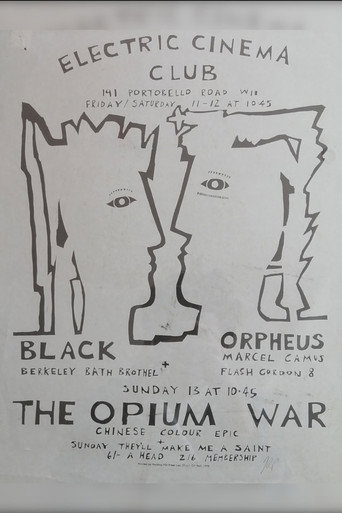
China 1839. Because the British imports of opium into Southern China are creating such widespread medical and economic problems, the weak Manchu emperor Tao Kuang is forced to take action that precipitates the 'Opium War'.
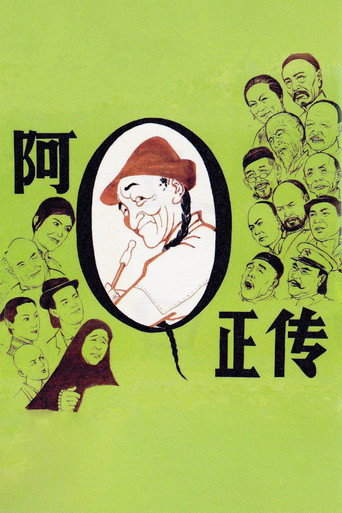
Based on the 1921 novella of the same name by one of China's most well-known modern writers, Lu Xun (Lu Hsun), the True Story of Ah Q is set during the 1911 revolution. Ah Q is a lowly peasant who wants to rise above his class, or at least get out of his grinding poverty. At first he thinks the way to do it is by marrying into a better station in life; later, he joins the revolution as he feels that is the only way he and others like him can transcend poverty. In this film version of Lu Xun's story, the character of Ah Q might benefit from a more rounded humanity to make him appealing to those not familiar with the harsh environment in China before the 1911 revolution.