Acting
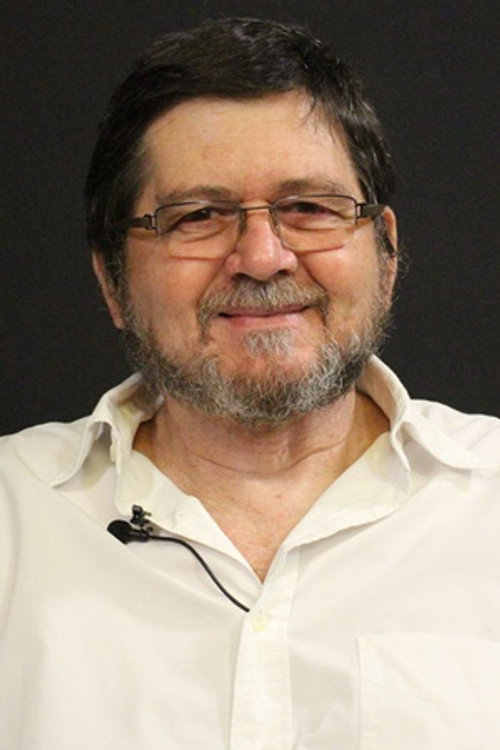
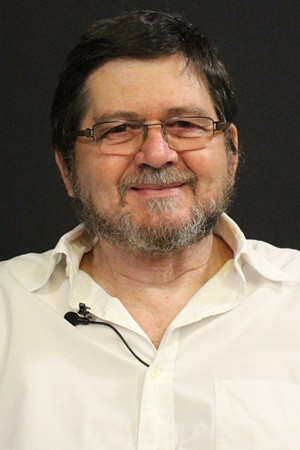
Celso Frateschi (São Paulo, February 9, 1952) is a Brazilian actor and theater director. With a vast theatrical career, he owns the Teatro Ágora. He is the father of actor André Frateschi.
A ruined stockbroker collaborates with a friend of his late father's on the completion of a documentary.
Mateus, his wife Antônia, their three kids and his brother Pedro opened a grocery/bar in Goiânia, Brazil, in 1959, called "Armazém Brazil". But in the opening party, the Police, headed by a violent inspector nicknamed "Capitão", arrive to arrest, with extreme violence, an outlaw known as "Flexa". This violent scene scars the family permanently and becomes the prelude to a tragedy.
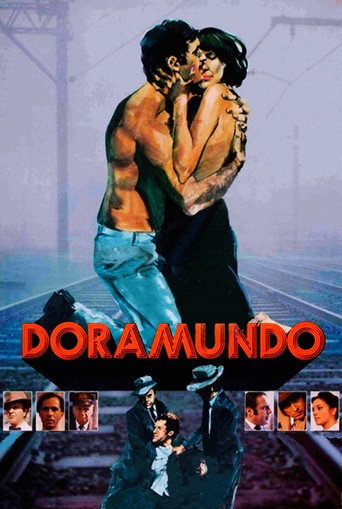
A series of murders begins to haunt Cordilheira, a small town near São Paulo, Brazil. The investigations show there is a love triangle involved.
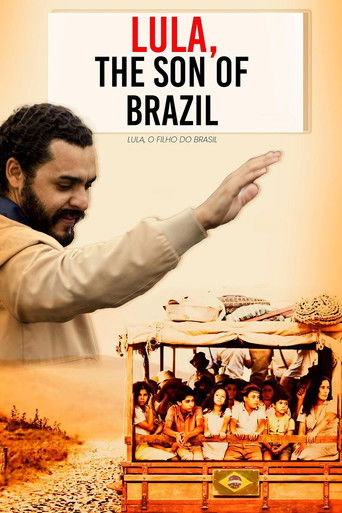
The true story of a working class boy who moves to the nation's financial capital at a young age and becomes one the most influential politicians in Brazilian history.
An examination of the relationship between the life and art of Maria Martins, now recognized as one of the greatest Brazilian sculptors, in addition to her engravings and texts. The film reveals the greatness of her work and her boldness when dealing directly with the feminine perspective of sexuality, a transgression that led to attacks by Brazilian critics. In parallel, her life as the wife of an important diplomat and her connection to Marcel Duchamp, in a relationship of mutual collaboration between the two artists.
A series of crimes against redheads scares the people from a little town. After the death of his brother, the 13 year old Alberto decides to investigate what is happening and is helped by the experienced but forgetful Inspector Pimentel.
Marked by losses and mismatches, José's eccentric family seek to be happy while locked in Paraíso Perdido, a nightclub that has stopped in time, where they sing popular romantic music.
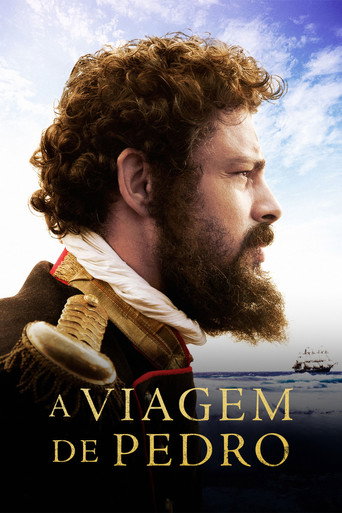
The story of Brazil’s first emperor, returning to Europe on board the English ship Warspite. The trip makes Pedro conquer his fears and face his life from a personal point of view. He goes back in time and relives outstanding moments of his earlier life – since his childhood, when in 1808 he arrived coming from Portugal with his family, until he left in the dead of the night, in 1831, running away from Brazil.