Cecil B. DeMille Movies, TV Shows, and Filmography
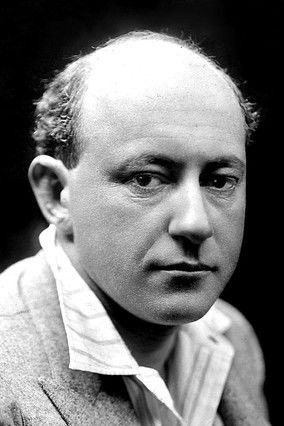
Cecil B. DeMille
Directing
Biography
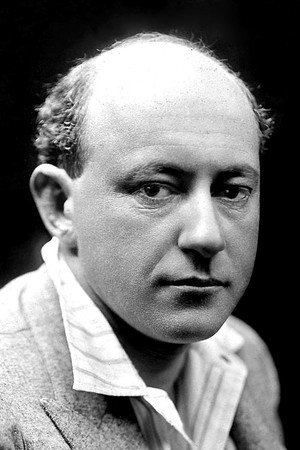
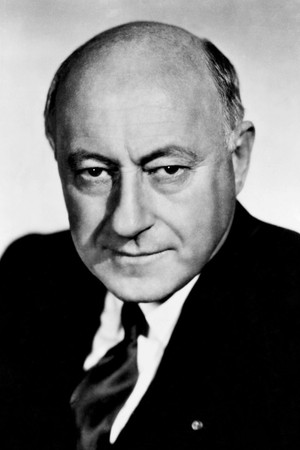
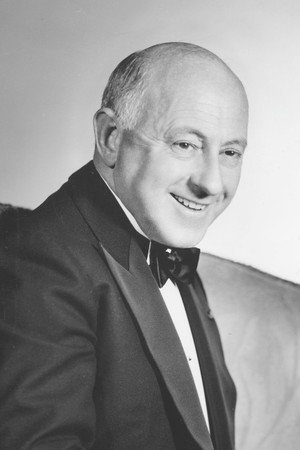
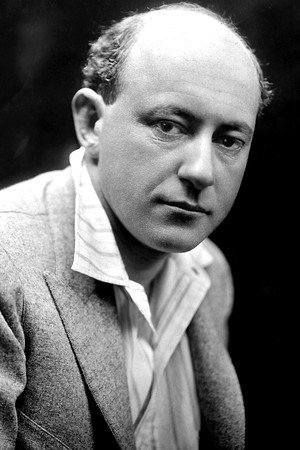
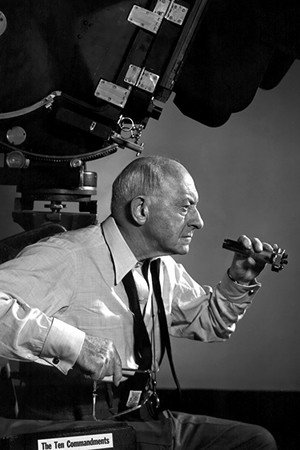
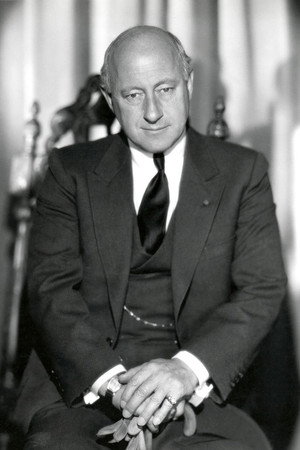
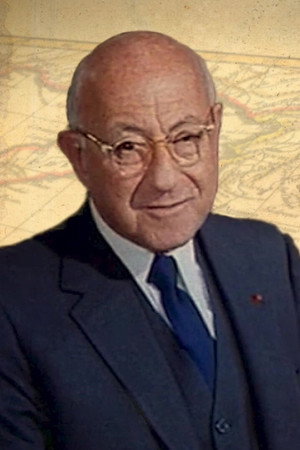
Cecil Blount DeMille (August 12, 1881 – January 21, 1959) was an American filmmaker, known as a founder of the Hollywood motion-picture industry, one of the most commercially successful producer-directors of his time, and one of the most influential filmmakers in history. Between 1914 and 1956, he made seventy feature films; all but seven were profitable. Cecil B. DeMille is synonymous with religious epics: The King of Kings, Samson and Delilah, and The Ten Commandments (1956). He blended spectacle, sex, and spellbinding narrative to convey a message of faith. It was DeMille who created the image of the omnipotent director, megaphone in hand, wearing boots and a visored cap. DeMille gave Hollywood numerous stars: Wallace Reid, Gloria Swanson, William (“Hopalong Cassidy”) Boyd, Claudette Colbert, Robert Preston, Jean Arthur, and Charlton Heston. DeMille created the posts of studio story editor, art director, and concept artist. He was one of the first to use theatrical lighting on a movie set. In the late 1920s, when Hollywood converted to sound films, DeMille defied the sound experts, liberating the camera from a confining booth, and implementing the microphone boom. DeMille’s authority extended beyond the confines of his studio. He was a power in aviation, banking, politics, and real estate. In the 1930s, his fame as a filmmaker was surpassed by his fame as a radio star. He was a founder of the Academy of Motion Picture Arts and Sciences, an institution from which he eventually won two awards. In 1953 his film The Greatest Show on Earth won the Award for Best Picture of 1952; and he was presented with the Irving G. Thalberg Memorial Award. DeMille’s influence on world culture is incalculable, but there are estimates and milestones. His biography of Jesus Christ, The King of Kings, was a silent film, but because of a unique distribution arrangement, it was eventually seen by 800 million viewers. Samson and Delilah (1949) and The Ten Commandments (1956) are still listed with the top ten all-time box-office champions. They continue to generate revenue and provoke thought.
Filmography Movies
Acting
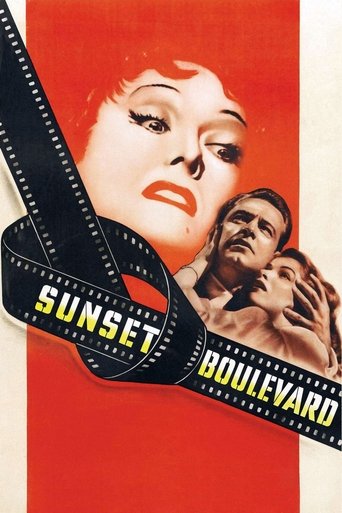
Sunset Boulevard
A hack screenwriter writes a screenplay for a former silent film star who has faded into Hollywood obscurity.
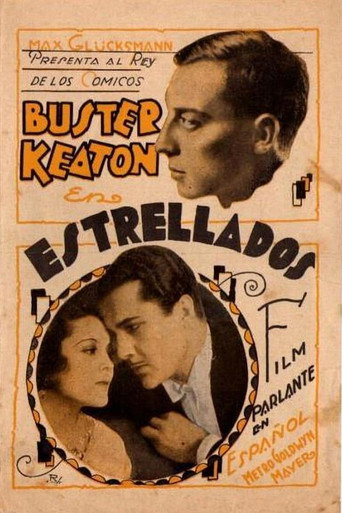
Estrellados
A matinée idol and a bumbling manager fight for the love of a would-be starlet. Estrellados is the Spanish version of Free and Easy (1930) with Hispanic/Spanish-speaking actors.
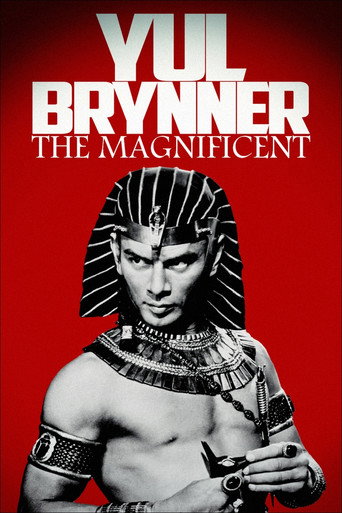
Yul Brynner, the Magnificent
The incredible story of the mythical Russian-American actor and filmmaker Yul Brynner (1920-85), the most exotic sex-symbol since Rudolph Valentino; the story of the atypical destiny of an international nomad: from the Parisian cabarets to the stages of Broadway and the Hollywood studios. The rise to fame of a multidisciplinary genius who became a king of the screen.
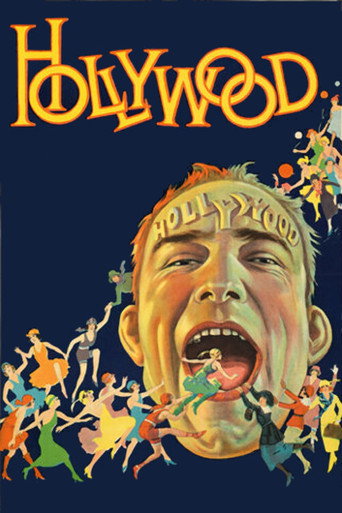
Hollywood
Angela comes to Hollywood with only two things: Her dream to become a movie star, and Grandpa. She leaves an Aunt, a brother, Grandma, and her longtime boyfriend back in Centerville. Despite seeing major movie stars around every corner, and knocking on every casting office door in town, at the end of her first day she is still unemployed. To her horror, when she arrives back at their hotel, she finds that Grandpa has been cast in a movie by William DeMille and quickly becomes a star during the ensuing weeks. Her family, worried that Angela and Grandpa are getting into trouble, come to Hollywood to drag them back home. In short order Aunt, Grandma, brother, boyfriend and even the parrot become superstars, but Angela is still unemployed...
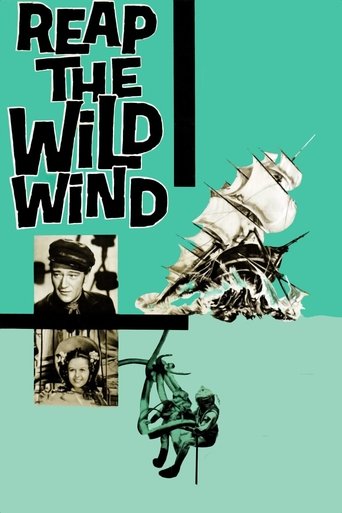
Reap the Wild Wind
The Florida Keys in 1840, where the implacable hurricanes of the Caribbean scream, where the salvagers of Key West, like the intrepid and beautiful Loxi Claiborne and her crew, reap, aboard frail schooners, the harvest of the wild wind, facing the shark teeth of the reefs to rescue the sailors and the cargo from the shipwrecks caused by the scavengers of the sea.
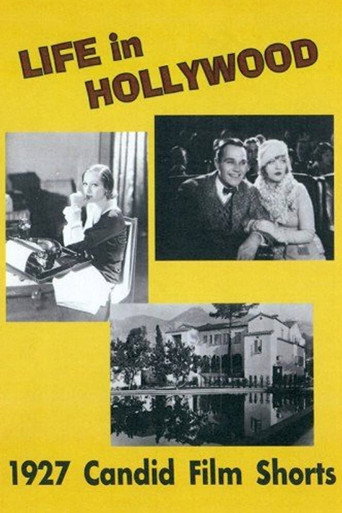
Life in Hollywood No. 1
Part of a 7-part series exploring all aspects of Hollywood.
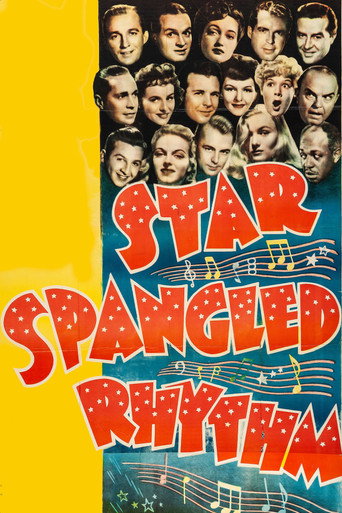
Star Spangled Rhythm
Pop, a security guard at Paramount has told his son that he's the head of the studio. When his son arrives in Hollywood on shore leave with his buddies, Pop enlists the aid of the studio's dizzy switchboard operator in pulling off the charade. Things get more complicated when Pop agrees to put together a show for the Navy starring Paramount's top contract players.

Variety Girl
Dozens of star and character-actor cameos and a message about the Variety Club (a show-business charity) are woven into a framework about two hopeful young ladies who come to Hollywood, exchange identities, and cause comic confusion (with slapstick interludes) throughout the Paramount studio.
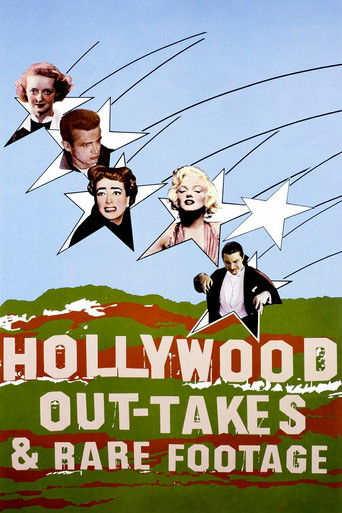
Hollywood Out-takes and Rare Footage
Out-takes (mostly from Warner Bros.), promotional shorts, movie premieres, public service pleas, wardrobe tests, documentary material, and archival footage make up this star-studded voyeuristic look at the Golden age of Hollywood during the 30s, 40, and 50.
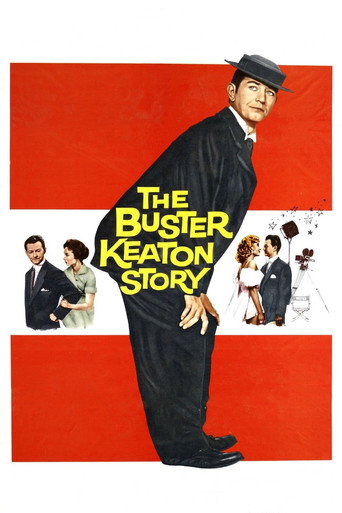
The Buster Keaton Story
An inaccurate retelling of the life of silent filmmaker and comedian Buster Keaton.
Production
Lord Chumley
After Gasper La Sage and his cohort, Blink Blunk, are released from prison, they make plans for another robbery. The scheme, which requires La Sage to pose as a gentleman, fails. Blunk is arrested, but La Sage goes free. Some time later, La Sage goes to England where he blackmails Lt. Hugh Butterworth, an officer who misappropriated money intended for the widow of a fellow officer, and who owes La Sage money for gambling debts. As payment, La Sage wants Hugh to arrange for him to marry Eleanor, Hugh's sister. Hugh tells his friend Lord Chumley about La Sage, however, and Chumley is able to learn about La Sage's past when he overhears Blunk, now out of jail, threaten his former friend. After La Sage intensifies his suit for Eleanor, Chumley is finally able to discredit him by tearing open his shirt and revealing the mark of the prison. With La Sage out of the way, Chumley and Eleanor announce their engagement as do Hugh and his faithful sweetheart, Jessie.
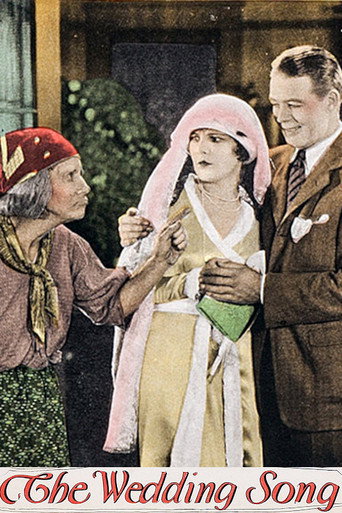
The Wedding Song
A beautiful con artist marries Hayes Hallan, the owner of a pearl-rich island. No sooner has the couple said "I do" than Beatrice's partners in crime show up, claiming to be the bride's parents.
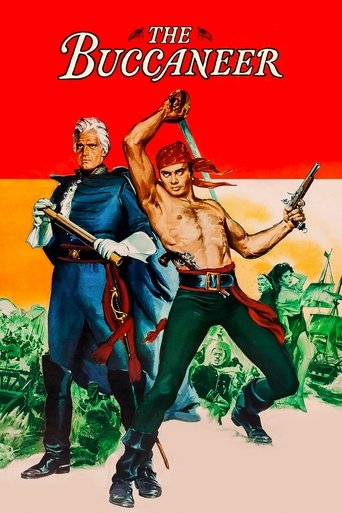
The Buccaneer
During the War of 1812 against Britain: General Andrew Jackson has only 1,200 men left to defend New Orleans when he learns that a British fleet will arrive with 60 ships and 16,000 men to take the city. In this situation an island near the city becomes strategically important to both parties, but it's inhabited by the last big buccaneer: Jean Lafitte. Although Lafitte never attacks American ships, the governor hates him for selling merchandise without taxes - and is loved by the citizens for the same reason. When the big fight gets nearer, Lafitte is drawn between the fronts. His heart belongs to America, but his people urge him to join the party that's more likely to win.
The Buccaneer
During the War of 1812 against Britain: General Andrew Jackson has only 1,200 men left to defend New Orleans when he learns that a British fleet will arrive with 60 ships and 16,000 men to take the city. In this situation an island near the city becomes strategically important to both parties, but it's inhabited by the last big buccaneer: Jean Lafitte. Although Lafitte never attacks American ships, the governor hates him for selling merchandise without taxes - and is loved by the citizens for the same reason. When the big fight gets nearer, Lafitte is drawn between the fronts. His heart belongs to America, but his people urge him to join the party that's more likely to win.
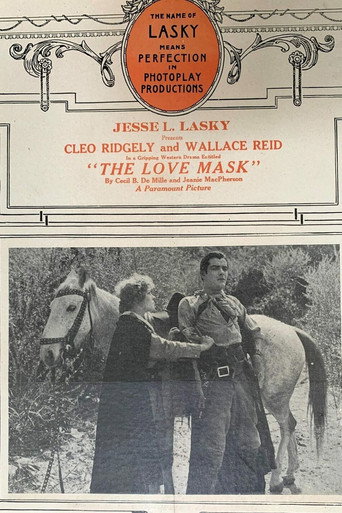
The Love Mask
During the California gold rush, four unsuccessful miners assume that a woman prospector will give in without a fight, so they jump the claim of Kate Kenner and take her gold away from her. Afterward, although she is Sheriff Dan Deering's sweetheart, Kate decides to take the law into her own hands.
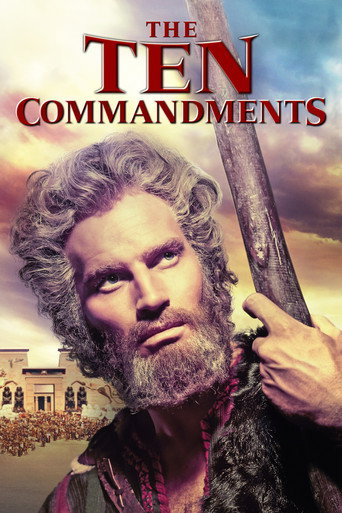
The Ten Commandments
Escaping death, a Hebrew infant is raised in a royal household to become a prince. Upon discovery of his true heritage, Moses embarks on a personal quest to reclaim his destiny as the leader and liberator of the Hebrew people.
The Ten Commandments
Escaping death, a Hebrew infant is raised in a royal household to become a prince. Upon discovery of his true heritage, Moses embarks on a personal quest to reclaim his destiny as the leader and liberator of the Hebrew people.
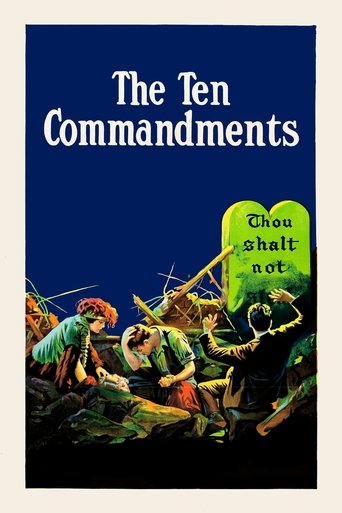
The Ten Commandments
The first part tells the story of Moses leading the Jews from Egypt to the Promised Land, his receipt of the tablets and the worship of the golden calf. The second part shows the efficacy of the commandments in modern life through a story set in San Francisco. Two brothers, rivals for the love of Mary, also come into conflict when John discovers Dan used shoddy materials to construct a cathedral.
The Ten Commandments
The first part tells the story of Moses leading the Jews from Egypt to the Promised Land, his receipt of the tablets and the worship of the golden calf. The second part shows the efficacy of the commandments in modern life through a story set in San Francisco. Two brothers, rivals for the love of Mary, also come into conflict when John discovers Dan used shoddy materials to construct a cathedral.
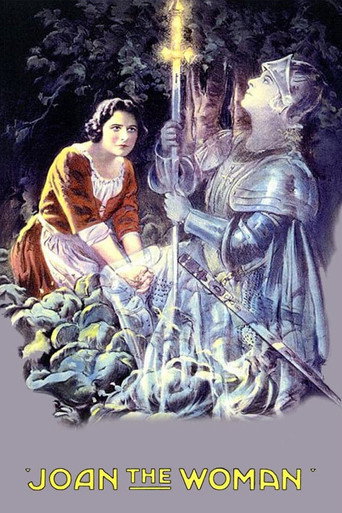
Joan the Woman
A WWI English officer is inspired the night before a dangerous mission by a vision of Joan of Arc, whose story he relives.
Gallery