Directing
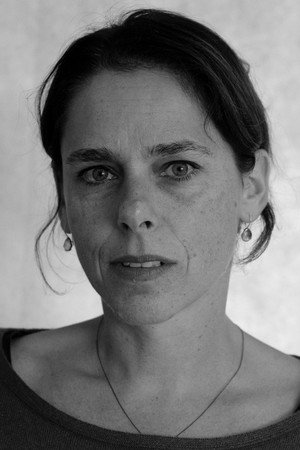
No biography available.
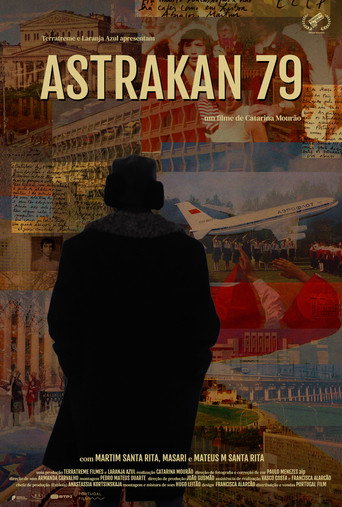
1979. Flicking through pictures from a Soviet magazine, 15-year-old Martim dreams of building a new society. His radical communist parents send him to study at Astrakan for one year. In her new film, Catarina Mourão captures with tremendous precision the moment a middle-aged man passes his story on to his son, thus shedding the taboo of his ineffable experience.
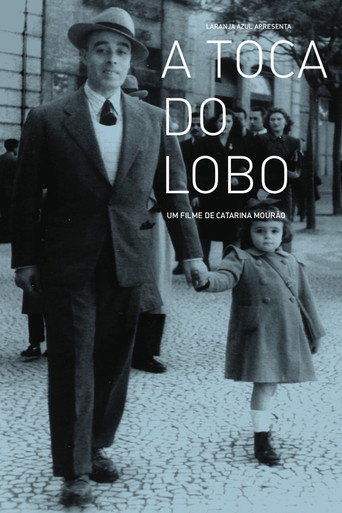
Every family has its secrets, the family of Portuguese filmmaker Mourão included. As the granddaughter of the well-known writer Tomaz de Figueiredo, she picks apart several of them in an intimate yet universally meaningful way. As such, her film also becomes a portrait of dictatorship and resistance and of the urge to create art.
For as long as she remembers, Francisca lives with an inexplicable and uncontrollable aversion to belly buttons. Nothing makes her more anxious than this simple part of the body and the shapes in the world that resemble it. When therapy isn't enough to solve her cherished phobia , Francisca turns to other types of methods - without any scientific basis and not recommended for anyone who suffers from the same condition.
Mother and daughter resort to mediation to try to resolve a family conflict.
A documentary about Álvaro Siza Vieira in Cape Verde and his project to restore the old town of Ribeira Grande, the first city to be built by the Portuguese in Cape Verde on the island of Santiago in 1462.
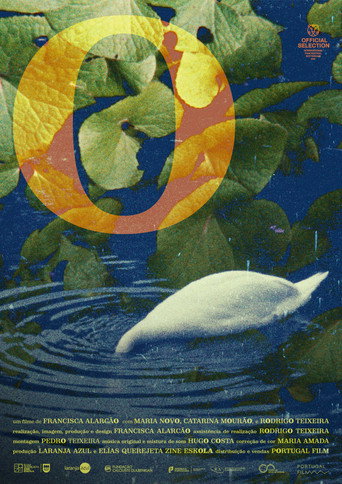
"I was born beneath this water. I was 10 years old when it all happened. Some things I remember well, others are blurred and confused. People change address, new churches are built, new bakeries, houses and streets ... But in this case, everything changed at the same time. Perhaps it was a way of pretending that nothing moved at all." During six years the makers shot this film in Luz Village (Portugal), condemned to disappear beneath the waters of the Alqueva dam. Especially for this project, a new village was constructed. But the forced migration does not pass very smoothly, since existing social structures, as well as the unique relation with nature are being disturbed. Combining these images with stories told by children who recollect their life during the moving process, this documentary presents the strange story of this village.
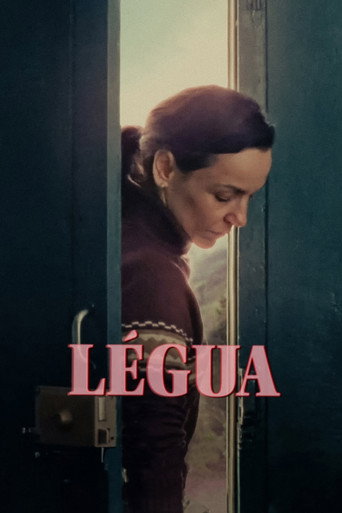
At an old manor house in northern Portugal, Ana helps her friend, Emília, the elderly housekeeper who is determined to continue to keep the unoccupied house in order for the owners who are never there. As the seasons turn, Mónica, Ana's daughter, challenges her mother's choices and the three generations of women search to understand where they belong in a world that is rapidly fading, where the cycle of life is renovated only through inevitable endings.
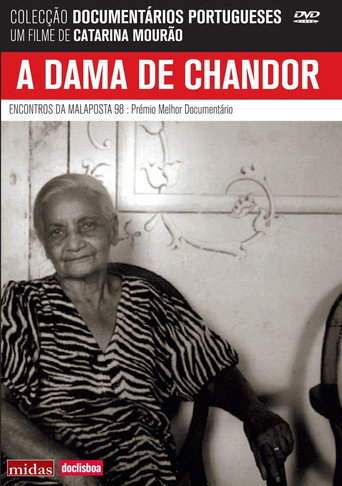
A documentary about a woman from the town of Chandor, Goa. The documentary is a running commentary of her current life in Chandor, as she reminises over her Portuguese-Indian past.