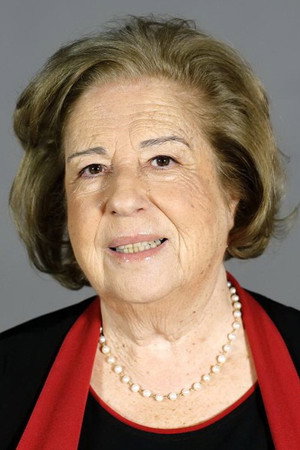
Catarina Avelar Movies, TV Shows, and Filmography
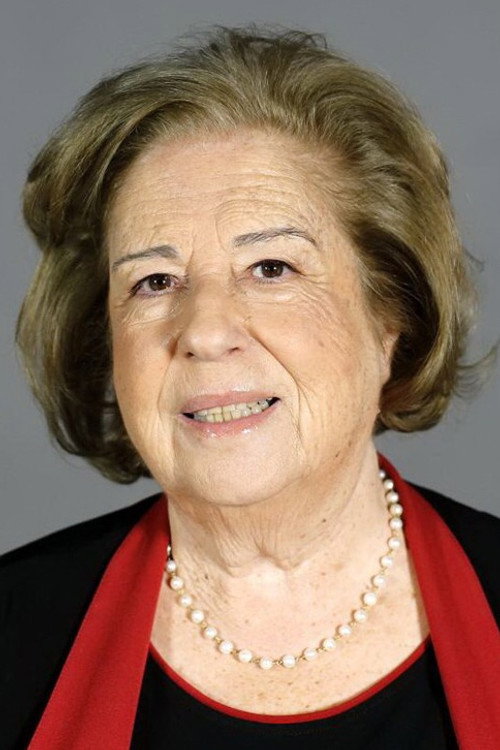
Catarina Avelar
Acting
Biography
No biography available.
Filmography Movies
Acting
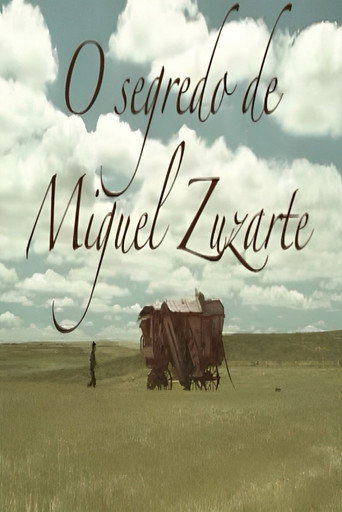
O Segredo de Miguel Zuzarte
In a remote village in Alentejo, the train is the only connection to the world and to the politics of the capital. The news of the establishment of the Republic is spread by telegraph, but in this Alentejo village, telegraph operator Miguel Zuzarte is a staunch monarchist who hides the message he has received from everyone. For days, the people wonder about the absence of the train, and the telegraph operator does everything he can to cover up the unreported news. The train will return to the village, and the impact of the end of the monarchy is not what one might imagine.
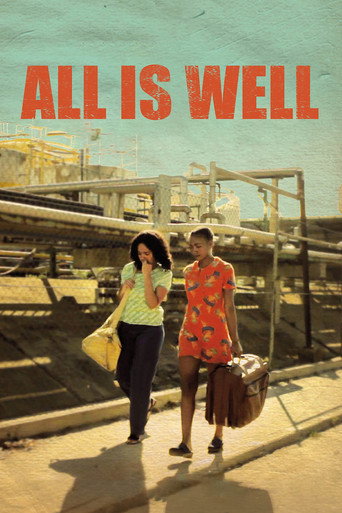
All Is Well
As the summer of 1980 ends, 16 and 17 year old sisters Maria and Alda flee to Lisbon from Angola?s civil war. In the hands of fate, they must learn to live without money in a foreign city. On the edge of the law, the two have to grow up and become women. When the problems are already overwhelming, news comes that makes them unbearable. This blow, however, will give them the push to decide their futures: Alda is going to France and Maria back to Angola in search of her roots.

The Curse of Marialva
A Visigoth count conquers a small village town from the Moors in the Lusitanian mountains, only to loose his possessions through the mysterious workings of a woman from parts unknown.
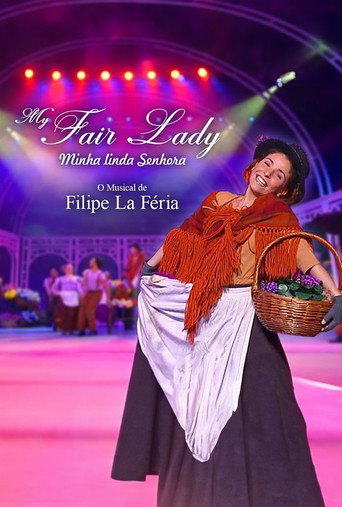
My Fair Lady: Minha Linda Senhora
The protagonists of this classic are Anabela, in the role of “Eliza Doolitle”, and Carlos Quintas, who plays the demanding professor “Henry Higgins”, at the head of a luxury cast of more than 70 actors, singers, dancers and musicians.

Blood'less' Revolution
In 1974, a group of men lost their lives in what is still called today the Bloodless Revolution of Portugal.
Paraíso Perdido
Cristina is twenty years old. Her father was declared missing in action during the war in Angola many years before. One day in church the girl meets a man about fifty years old who tries various times, unsuccessfully, to make the sign of the cross. The man is called Cristovão. A few days later the two meet again. The man offers to help her look for her father. A relationship based on memories and confessions is formed between them. But soon they each return to their own solitude.
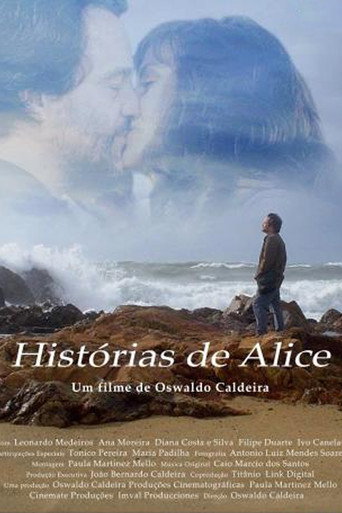
Histórias de Alice
It tells the story of a Brazilian filmmaker, Lucas. When his mother, Alice, dies in Belo Horizonte, he searches for his family's Portuguese roots across the ocean, discovering an intricate love story. Lucas's father, Olavo, was the son of a very wealthy Portuguese industrialist, Joaquim, who was disinherited when he married Alice, Lucas's mother, a very poor woman who lived in a rooming house in the city of Porto, Portugal. With the Second World War looming, they all left for Brazil, settling in Minas Gerais. While investigating his distant past, Lucas makes discoveries about possible criminal acts committed by his own father, Olavo. Lucas is helped by Teresa, a young Portuguese woman who works as a restorer of old Portuguese churches in the interior of Portugal. Lucas, assisted by Teresa, seeks to reconstruct the stories of his mother Alice, and ends up falling in love with Teresa.

O Segredo das Pedras Vivas
In an isolated village of the Alentejo region, a conflict arises. José Vitorino, one of the landowners of the region, rich in prehistoric monuments, wants to build a luxurious solarium in lands filled with ancient rocks, places of devotion and sacred rituals. Indifferent to the people’s protest, who believe in the magical powers of the stones and that the region’s drought is due to the rocks’ destruction, José Vitorino hires an architect to plan his new house. On christmas eve, in the middle of the winter solstice, a strange ceremony around a dolmen, once an altar for bloody sacrifices in more remote times, releases a harmful spell. A race against time to reverse the faulty charm begins.

Vidas a Crédito
Sofia is a big spender so she frequently abuses of the credit card. When her husband is fired, she is forced to change her life.

Gigola
George, a charismatic and adventurous young woman, born from an old, catholic family, falls in love, in her teens, with a female teacher named Sybil. Devastated by her lover's eventual suicide, some years later, George embarks on an exciting and reckless journey to the depths of Pigalle's nightlife, circa 1960. After an encounter with a very wealthy, still attractive, but older woman, Odete, who offers her money and gifts in return for sexual favours, George becomes Gigola, a kind of gigolo for women only.
Gallery