Acting
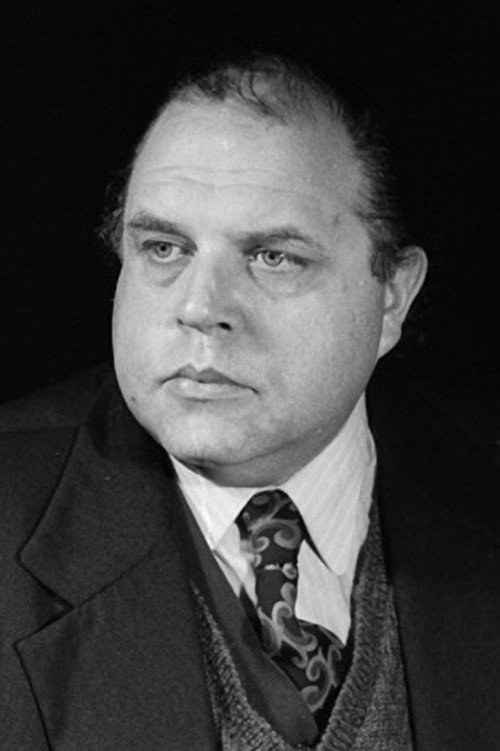
Born Carlos Manuel Wallenstein dos Santos Teixeira.
Manuel and Pedro have different approaches to love. Manuel suffers a disgust that makes him sullen, and enters the priesthood. Pedro keeps on in his carefree ways, and commits a robbery. Manuel knows the robber is Pedro, but he learned it in Catholic confession. To keep his vows as a priest, he is prepared to be arrested.
Estefânia is an old, rich, strict catholic woman, and when she sets her eyes on a couple of servants who have no means to bring up properly their youngest son, António, she decides to move her influences in order to make a priest out of him. The parents accept it, the local priest and even the Seminar's rector accept it, and António accepts it - if not for piety, for obeyance to his parents. Once time goes by, and António is out of rural misery and into the prison-like system of a seminar, doubts and anguishes mount within him.
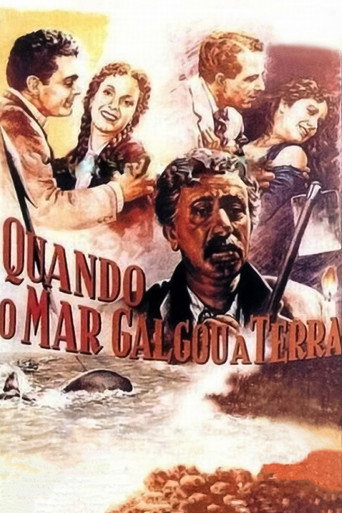
Passion and ambition interplay to bring dissention and tragedy into the home of an old fisherman married to a much younger woman.
Jim is the drummer for the great black musician Billy Swann. With him, he plays in a club called San Sebastián, owned by his friend Floro, every summer.
Costa is travelling from Africa to London, and wishes very much to his nephew Amadeu, and see by himself how well he has been invested large sums of money he is been sending him. Amadeu 'borrows' for 24 hours a wife, a villa, a car, and a servant - for he has been lies to his uncle all the time. All goes well. But, Costa decides to prolong his stay for two weeks...
In a unique approach to what amounts to four pseudo-morality plays, director Monique Rutler has a street entertainer with hand puppets summarize the characters and idea of each story. The first sketch is about a young man who shines shoes for a living, and tries to keep up a relationship with two women while convincing each she is his only true love. The next story is about a man who beats up his wife when he is drunk, and sells furs for a living. One day, as she is riding in the back of his truck with the furs, he hits a bad patch and she and some furs fall out. The question is, will the woman be enterprising and leave the jerk - or not? The third tale concerns a woman looking into how much control a prostitute has over her clients, and to really find out, she becomes a prostitute herself for awhile - leading to some quite unexpected situations. The last segment handles the uglier side of the life styles of the rich and famous.
On the verge of being expelled from his home for not paying his debts, a government employee is mistaken for an inspector and decides to use that as an advantage.
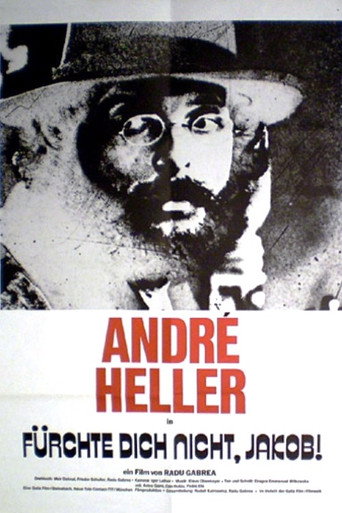
The village innkeeper Lejba Sibal and his pregnant wife Sura are threatened by Lejba's former farmhand Georg, who wants to kill them both at Easter. After Lejba has sought help from the authorities in vain, he decides to fight back himself.
José Pereira, a young medical graduate, meets a young and ardent Maria Eugénia. The time is the eve of the Portuguese Revolution, on 24th April 1974 and only a short time elapses between courtship and marriage. The young pair are very much in love, but José begins to have doubts about the "honesty" of such intense feelings of love, feelings which are too intense (or hot) to him . If Maria Eugénia is like this with him, will she be the same with other men?In the meantime, the Revolution takes its course. José, who previously had been persecuted because of his opposition against the old regime, now feels "left behind" and frustrated.
Swaying between pleasure and despair, Elric throws himself into his pathological passion for the casino. Meeting Suzie could have saved him, but the young woman also sinks into gambling hell. The couple then start getting involved in the fearsome world of professional cheaters.
A young shoemaker marries an older man, but he, jealous, leaves home. The woman opens a tavern and her husband returns in disguise to test her fidelity. Television adaptation of the play by Spanish poet and playwright Federico Garcia Lorca, translated by Carlos Wallenstein and directed by Varela Silva, with Amália Rodrigues in the lead role.