Acting
No biography available.
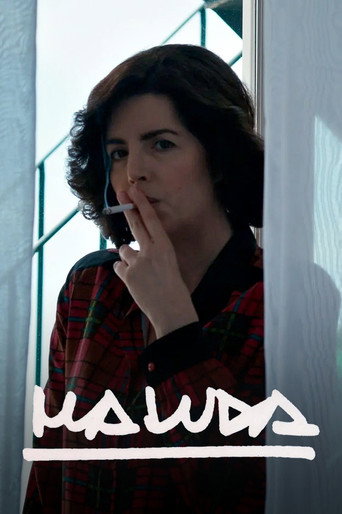
Inspired by the biography of the portuguese painter Maria de Lourdes Ribeiro, known as Maluda, who found the stage of her art in Lisbon.
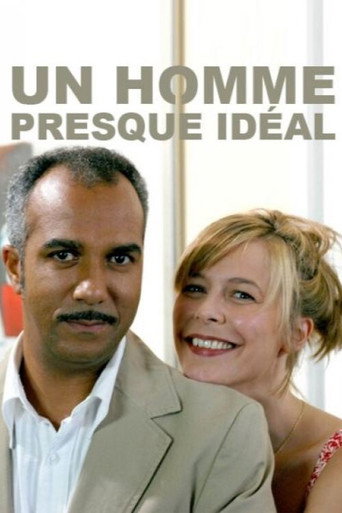
After being left by his fed up wife, an author moves back in with his mother in the hope of finishing his book in peace and quiet.
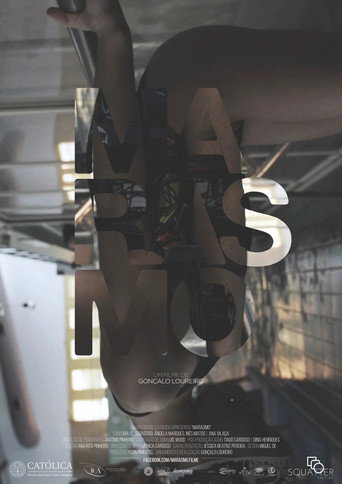
Fragments of light and shade in the lives of a truck driver spiraling downward, his caring wife and their oblivious daughter.
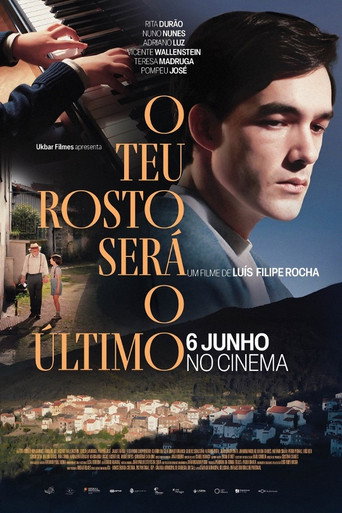
A child prodigy, a talented pianist, who fears the gift he was born with. A father persecuted and tormented by the infernal memory of the colonial war and a luminous mother afflicted by an incurable disease. A grandfather and grandmother in exile on a small village and an anti-Salazarist, an unrepentant traveller who settles in Buenos Aires. A music teacher who teaches his students that being a musician is not a fate of guaranteed happiness and that there is a lot of pain in the human heart. The story of a Portuguese family that lived through dictatorship, colonial war and democratic revolution - the improbable and surprising threads with which individual destinies weave the collective destiny.
One bad thing never comes alone, says the people. The village Estrela is threatened by the waters of the new Alqueva dam. It will become an "island". But, as one bad thing never comes alone, the daily lives of the inhabitants of this small mountain village are changed by the death of Adriano. "In order to create, I destroyed myself; I have so much externalized within myself that within me I exist only outwardly. I am the living scene where various actors perform various plays." (from Livro do Desassossego by Fernando Pessoa), as Adriano liked to quote Adriano. He committed suicide on the day of the village feast, hanging himself in the main square. For Adriano, the main square of the village has long been the center of the world. Adriano felt surrounded, depressed, unable to escape his destiny. "No one can stop a man who travels with suicide on his lapel" Adriano repeated to Lisete, always to the point of exhaustion.
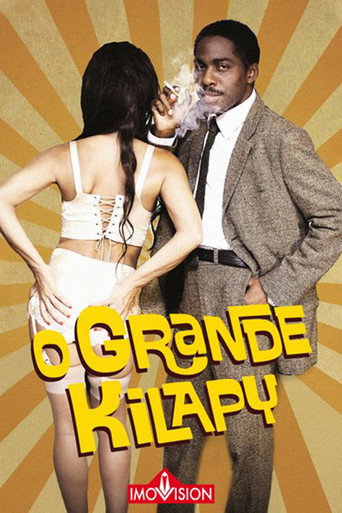
Zézé Gamboa's sardonic historical drama follows a good-hearted, apolitical con man who, on the eve of Angolan independence in the mid-1970s, pulls off a massive swindle at the expense of the Portuguese colonial administration — and soon after finds himself hailed as a hero of the national liberation struggle.
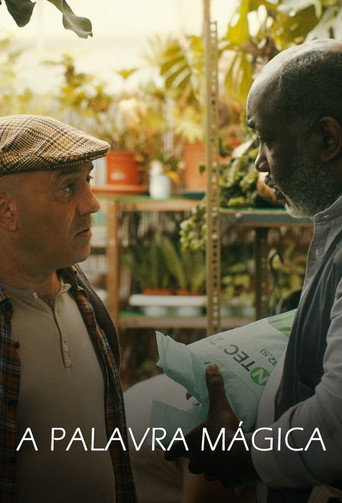
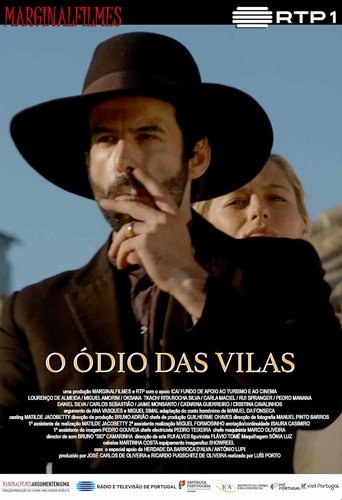
The first time you hear it, it doesn't seem like a big deal. The word is strange and the tone in which it was used could be offensive. In the village the word soon spreads and as it passes from mouth to mouth it becomes heavier and takes on a markedly offensive character. As the village gets angrier, all the small misunderstandings in everyday life become serious business. There is only one solution: exposing the cases and their origin - the word barely heard and poorly said - which, today, in the village, is the most devastating offense that can be thrown at our greatest enemy.
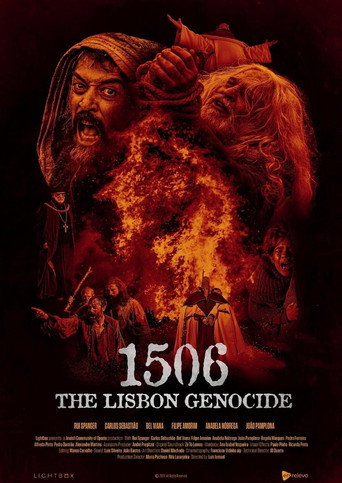
The movie “1506 – The Lisbon Genocide” shows a massacre against the Jews that has been forgotten. On the 19th April begun the start of the massacre which for three days assassinated about three thousand Jews in Lisbon. The bonfires went as high as the houses, in a city filled with quartered bodies where heads were paraded on the points of spears.
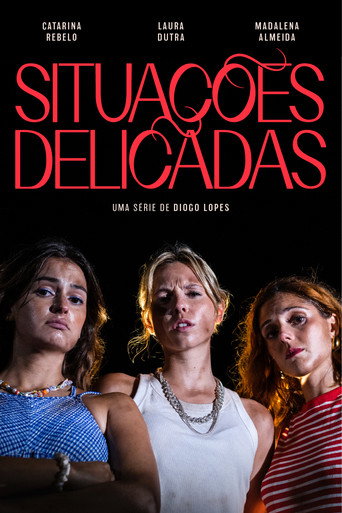
Olívia, Marta, and Carlota are three friends leading normal lives, until a moment of panic changes everything: an unexpected confrontation with Jaime, Olívia’s ex-boyfriend, ends tragically when he dies accidentally. Consumed by the fear of losing their freedom during the best years of their lives, the three make a radical decision - to hide the body and conceal what happened that night.