Carlos Saura Movies, TV Shows, and Filmography
Carlos Saura
Directing
Biography
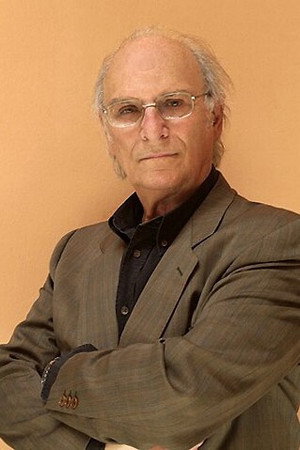
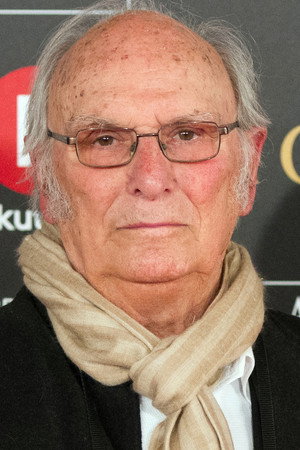
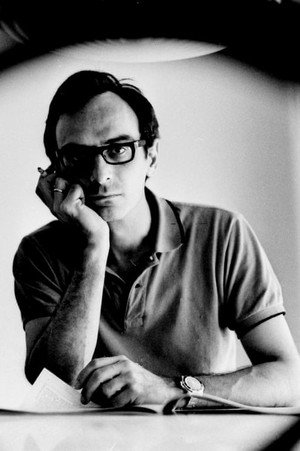
Carlos Saura Atarés (4 January 1932 – 10 February 2023) was a Spanish film director, photographer and writer. With Luis Buñuel and Pedro Almodóvar, he is considered to be among Spain's great filmmakers. He had a long and prolific career that spanned over half a century, and his films won many international awards. Saura began his career in 1955 making documentary shorts. He gained international prominence when his first feature-length film premiered at Cannes Film Festival in 1960. Although he started filming as a neorealist, Saura switched to films encoded with metaphors and symbolism in order to get around the Spanish censors. In 1966, he was thrust into the international spotlight when his film The Hunt won the Silver Bear at the Berlin International Film Festival. In the following years, he forged an international reputation for his cinematic treatment of emotional and spiritual responses to repressive political conditions. By the 1970s, Saura was the best known filmmaker working in Spain. His films employed complex narrative devices and were frequently controversial. He won Special Jury Awards for Cousin Angelica (1973) and Cría Cuervos (1975) in Cannes, and he received an Academy Award for Best Foreign Language Film nomination in 1979 for Mama Turns 100. In the 1980s, Saura was in the spotlight for his Flamenco trilogy – Blood Wedding, Carmen and El amor brujo, in which he combined dramatic content and flamenco dance forms. His work continued to be featured in worldwide competitions and earned numerous awards. He received two nominations for Academy Awards for Best Foreign Language Film for Carmen (1983) and Tango (1998). His films are sophisticated expression of time and space fusing reality with fantasy, past with present, and memory with hallucination. In the last two decades of the 20th century, Saura concentrated on works uniting music, dance and images.
Filmography Movies
Acting
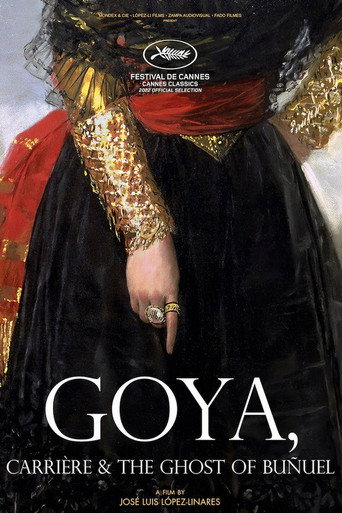
Goya, Carrière & the Ghost of Buñuel
French writer Jean-Claude Carrière (1931-2021) traces the life and work of Spanish painter Francisco de Goya (1746-1828).
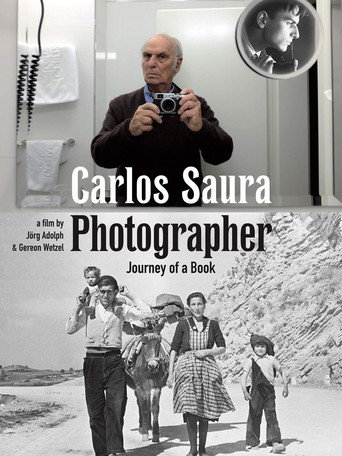
Carlos Saura - Fotograf
The film follows the Spanish film director as he publishes a book of his mostly unknown photography. His intimate and often surprising photos create a striking portrait of daily life in 1950's Spain that contrasts with dictator Francisco Franco's propaganda. The documentary follows the two-year process of narrowing down the collection and designing the book.
Pablo G. del Amo, un montador de ilusiones
Documentary about the personal and professional life of Pablo G. del Amo. He is the most influential movie editor in Spain.
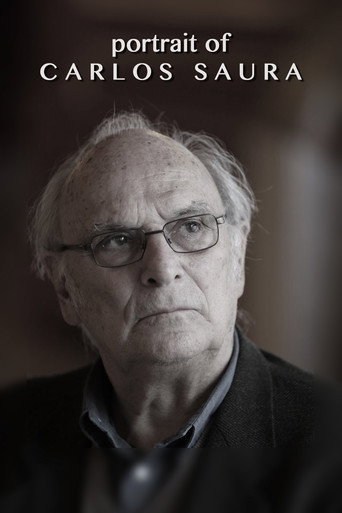
Portrait of Carlos Saura
A documentary on the life and career of the Spanish auteur Carlos Saura.
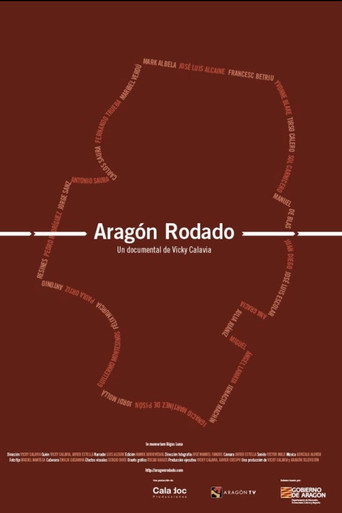
Aragón rodado
A look at the Aragonese countryside, star of the movie screen, accompanied by various trades of cinema.
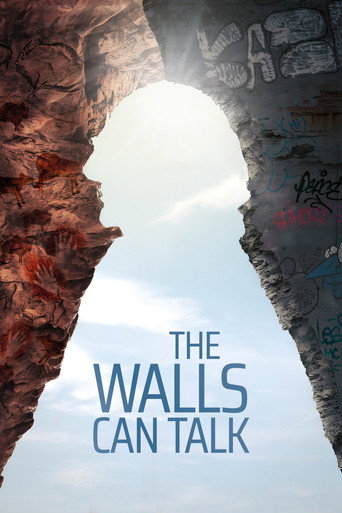
The Walls Can Talk
Las paredes hablan is Carlos Saura's peculiar take on the origin of art. The acclaimed and multi-award winning director, with more than 50 films to his name, portrays the evolution and relationship of art with the wall as a creative canvas from the first graphic revolutions of the prehistoric caves to the most avant-garde urban expressions. A thrilling and personal journey in the company of figures including Juan Luis Arsuaga, Miquel Barceló, Zeta, Musa 71 and Suso 33.
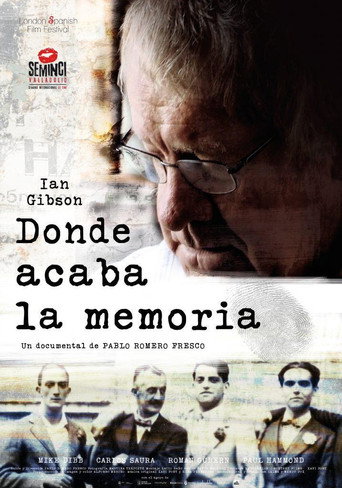
Donde acaba la memoria
Film travels through Las Hurdes and the Residencia de Estudiantes to build the portrait of Ian Gibson, author of the biographies of Buñuel, Dalí and Lorca. The journey ends in Granada, where, after a 50-year search, Gibson is closer than ever to finding Lorca's remains as a symbol of reconciliation in a country that is reluctant to make peace with its past.
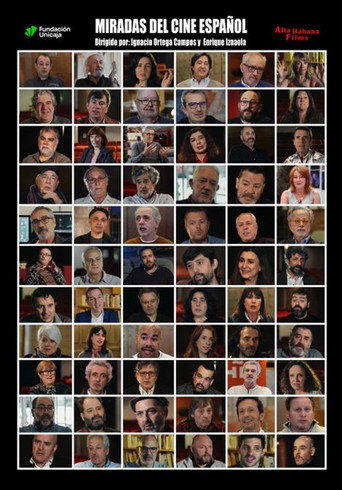
Miradas del cine español
Reflections on Spanish cinema, based on seventy interviews with prominent filmmakers, analyzing their work and addressing their views on various general topics such as the industry and the evolution of Spanish cinema, as well as current issues such as the arrival of digital platforms.
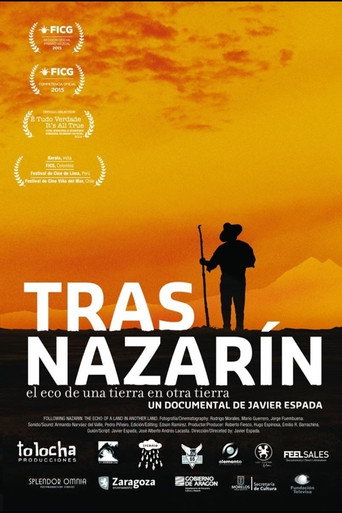
Tras Nazarin: Following Nazarin
"Nazarín is a Quixote of the priesthood " "Among the films I have made in Mexico, Nazarin is one that I prefer." "As inexplicable as the accidents that set it off, our imagination is a crucial privilege."
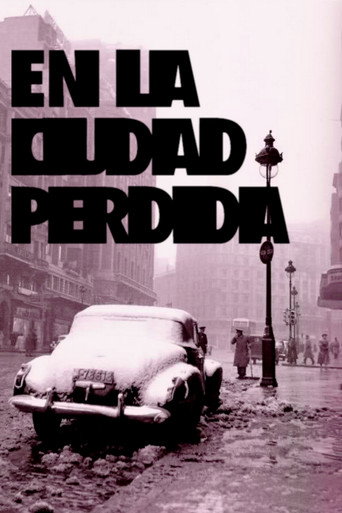
In the Lost City
The city of Madrid as it appears in the Spanish films of the 1950s. A small tribute to all those who filmed and portrayed Madrid despite the dictatorship, censorship and the critical situation of industry and society.
Production
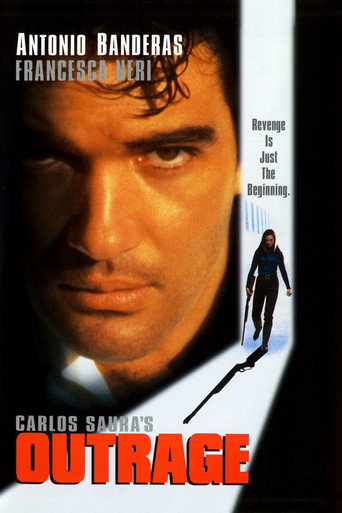
Outrage
Marco Vallez (Antonio Banderas) is possessed by the beauty of a circus sharp shooter, and from the second they meet he is willing to give up everything to be with her. But one horrifying night sends them both down a road of revenge leaving behind a trail of bodies to the ultimate showdown with justice.
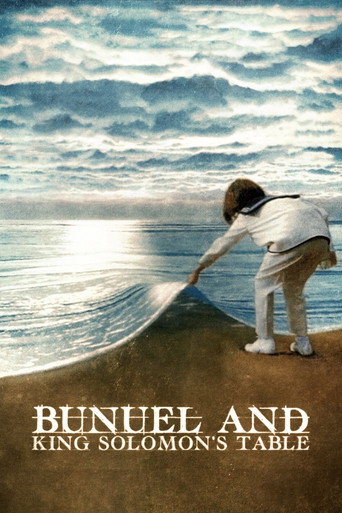
Bunuel and King Solomon's Table
The old Spanish filmmaker Luis Buñuel (1900-83) imagines a movie plot, set in Toledo in the future 2002, about the fantastic adventure of three actors, who play him and his friends, the painter Salvador Dalí (1904-89) and the poet Federico García Lorca (1898-1936), and their search for King Solomon's table, a mythical artifact capable of revealing the past, present and future.
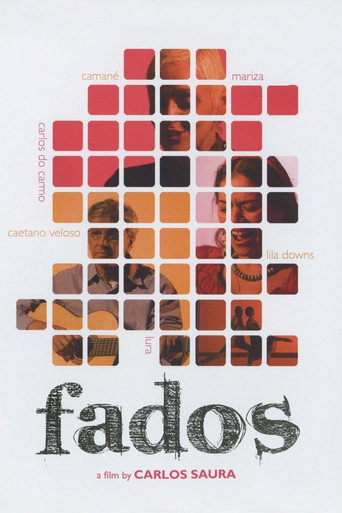
Fados
A series of musical performances showcasing the diverse facets of fado, a musical genre from Lisbon.
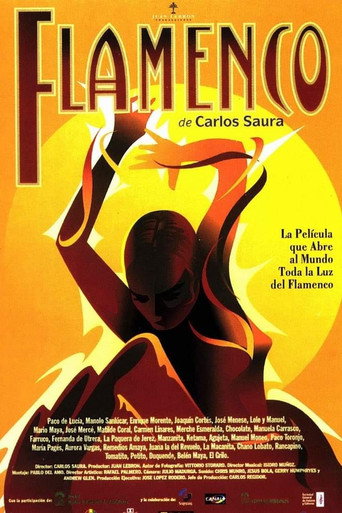
Flamenco
The film presents thirteen rhythms of flamenco, each with song, guitar, and dance: the up-tempo bularías, a brooding farruca, an anguished martinete, and a satiric fandango de huelva. There are tangos, a taranta, alegrías, siguiriyas, soleás, a guajira of patrician women, a petenera about a sentence to death, villancicos, and a final rumba.
Flamenco
The film presents thirteen rhythms of flamenco, each with song, guitar, and dance: the up-tempo bularías, a brooding farruca, an anguished martinete, and a satiric fandango de huelva. There are tangos, a taranta, alegrías, siguiriyas, soleás, a guajira of patrician women, a petenera about a sentence to death, villancicos, and a final rumba.
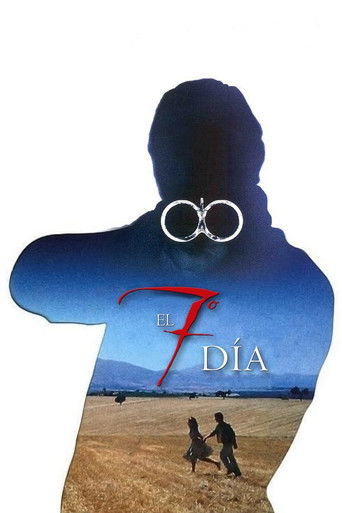
The 7th Day
Isabel Jimenez is a teenager witnessing a horrible feud between her own family and the Fuentes family, a feud involving broken hearts, property disputes and a mysterious fire that destroyed the Fuentes house. Isabel's uncle is murdered by Jeronimo Fuentes, who later tries to stab her father. After Jeronimo dies in jail, Isabel must look outside of her family for the truth, learning from the village idiot that her father may have set fire to the Fuentes home.
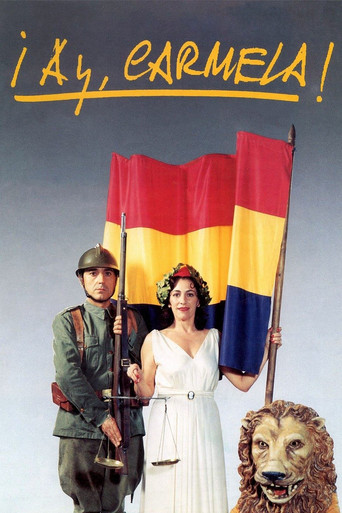
Ay, Carmela!
During the Spanish Civil War, a group of comics lightens the days of the Republican troops. Tired of life in the front lines, they make their way to Valencia, accidentally entering enemy land and falling prisoner.
El amor brujo
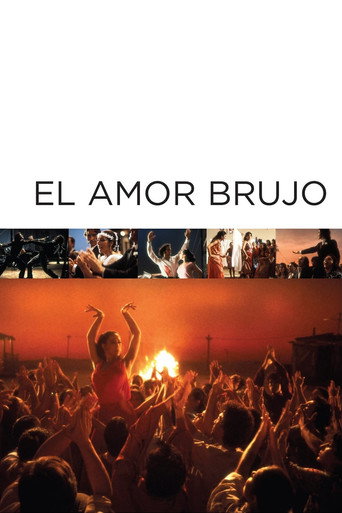
In a Gypsy village, the fathers of Candela and José promise their children to each other. Years later, the unfaithful José marries Candela but while defending his lover Lucía in a brawl, he is stabbed to death. Carmelo, who secretly loves Candela since he was a boy, is arrested while helping José and unfairly sent to prison. Four years later he is released and declares his love for Candela. However, the woman is cursed by a bewitched love and every night she goes to the place where José died to dance with his ghost.
El amor brujo
In a Gypsy village, the fathers of Candela and José promise their children to each other. Years later, the unfaithful José marries Candela but while defending his lover Lucía in a brawl, he is stabbed to death. Carmelo, who secretly loves Candela since he was a boy, is arrested while helping José and unfairly sent to prison. Four years later he is released and declares his love for Candela. However, the woman is cursed by a bewitched love and every night she goes to the place where José died to dance with his ghost.
Blood Wedding
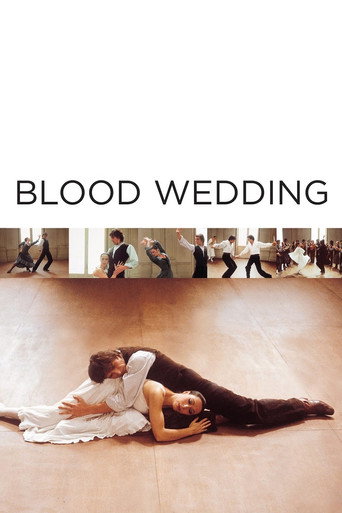
A dance troupe prepares for and completes a dress rehearsal of Federico García Lorca's tragic play "Blood Wedding," which is about a bride who runs away from her wedding with a former boyfriend.
Gallery