Acting
Carlos Manuel Ferreiro
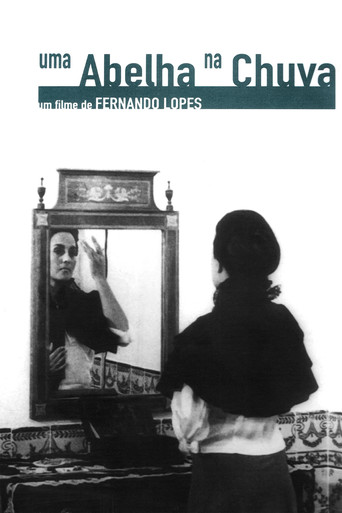
This Portuguese drama examines the daily life minutiae and intrigues of two scions of society in the rural village where they live. One is a wealthy landowner, the other a widowed aristocrat who lives in a world of her own.
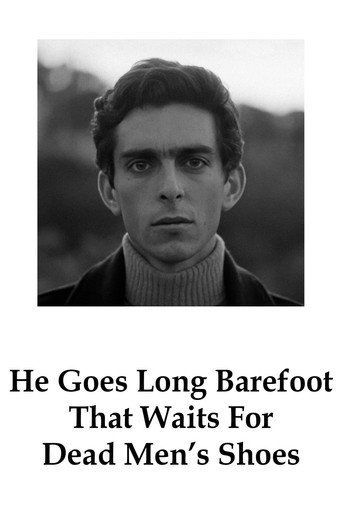
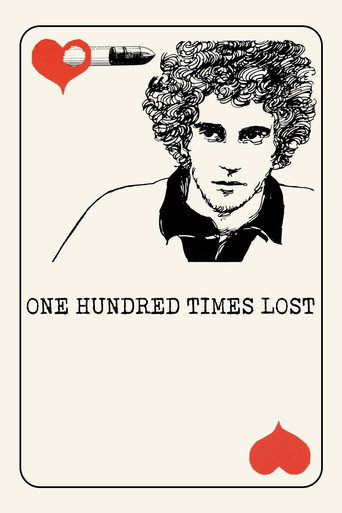
The tribulations of two friends who, in despair, start begging from door-to-door, and are given a bundle including, literally, a pair of deadman's shoes.
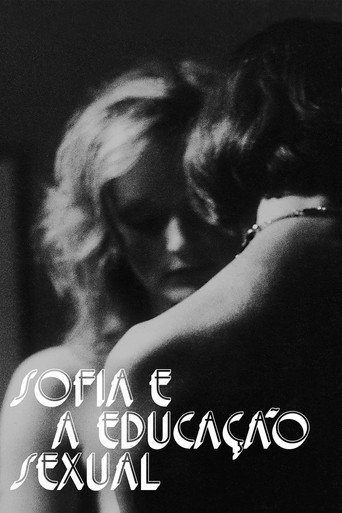
After her mother's death, Sofia returns from a Swiss college to her family's luxurious villa, in Cascais. Through the relashionship between her father, Henrique, and his lover Laura, she will discover the complexity, egothistic, discrete and hypocrite way of life - from which there is no escape.
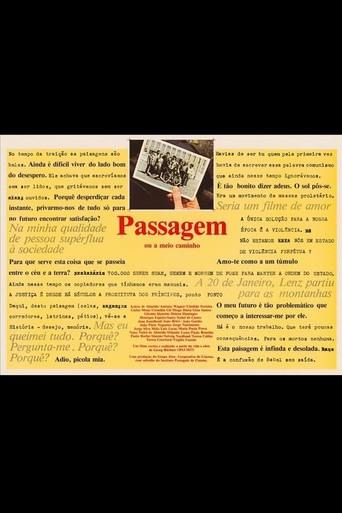
Ambulatory history, freely inspired by Georg Büchner's biography (1813-37) and the reasons that led him first to political intervention and then to strict isolation. With students of unidentified present time (1968? 1970?), the themes developed, in Büchner, are triggered by the publication of "The Messenger of Hesse", a pamphlet addressed to the peasants, urging them to revolt. Their misunderstanding, as well as the repression of the young revolutionaries, leads Büchner to a particularly skeptical and painful attitude...
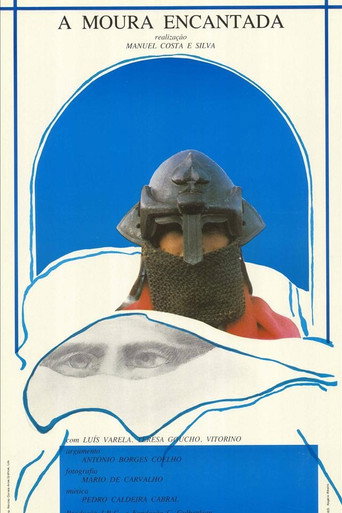
A young man returns to his native Alentejo countryside and encounters the legendary seductive “enchanted moura,” sparking a poetic journey that intertwines ancient Arabic folktales with contemporary rural life. Drawing on medieval prose and verse, the film explores cultural memory and pagan traditions through visual folklore rooted in Portuguese-Arab heritage.
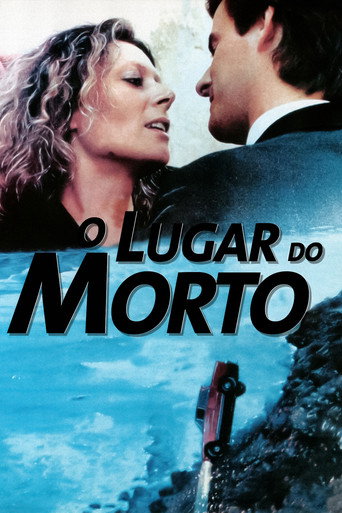
A newspaper reporter comes across a man and woman arguing on the beach, and after obligingly driving the woman around when she seeks him out, he takes her back to discover that the man has been murdered. The woman takes off, but the reporter, after many twists and turns, runs into her on a train. They start a relationship, but he had better pay closer attention to how he got to know her in the first place.
Artur is in Lisbon for his holidays, wonders aimlessly, and is picked up by Rui, a young man who is into marketing and advertising. Joana is in Lisbon for holidays, but also trying to escape from a mysterious, dark passion. Artur and Joana come together, find common roots in their rural background.
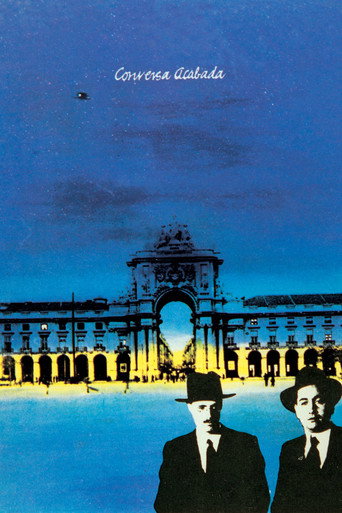
The film was to be a documentary, but evolved during production to a fictional film. It nevertheless adheres strictly to the poems and letters exchanged by two of the most outstanding names of the Modernist Movement, Fernando Pessoa (in Lisbon) and Mário de Sá-Carneiro (in Paris). Their endless conversation was dramatically and suddenly terminated.
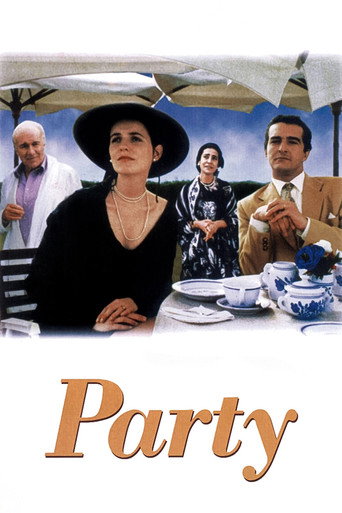
The battle of the sexes? The forces of despair and seduction? On S. Miguel in the Azores, Rogério, a young man with old money, and his enigmatic wife Leonor host a garden party at their villa. The intriguing guests are an older unmarried couple, the philosophical and observant Irene, and Michel, a roué. While Rogério and Irene talk, Michel and Leonor go down to the sea. The conversations upset Rogério and capture Leonor's imagination. Five years later, the four dine at the villa. Michel and Leonor again leave the other two. Intentions and undercurrents are subtle. One of the four proves strong, one weak, and two must choose. Wind and rain bring down the curtain on both acts.