Directing
No biography available.
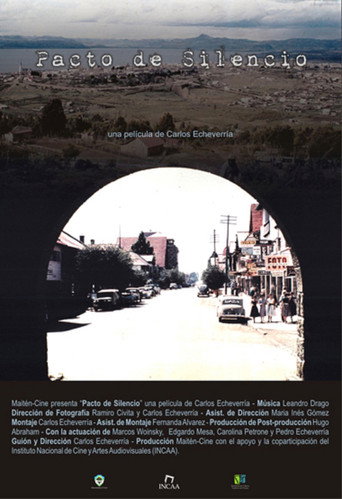
In the forties, Erich Priebke, a former Nazi SS commander hides in Bariloche, Argentina . The German community of Bariloche lives conditioned by the spirit of the Third Reich and supports Priebke despite knowing the crimes he has committed.
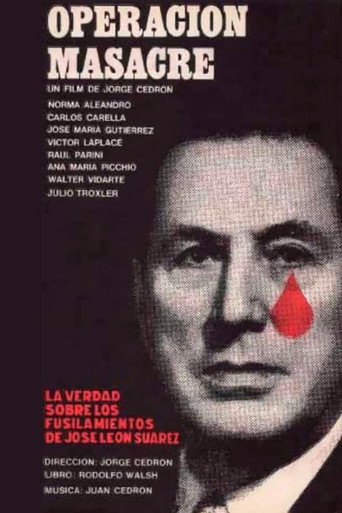
In 1956 a military civic coup against self-appointed Liberating Revolution fails, and in Jose Leon Suarez, Argentina, are killed several suspected to be part of the civil uprising. However survive seven people manage to tell the story.
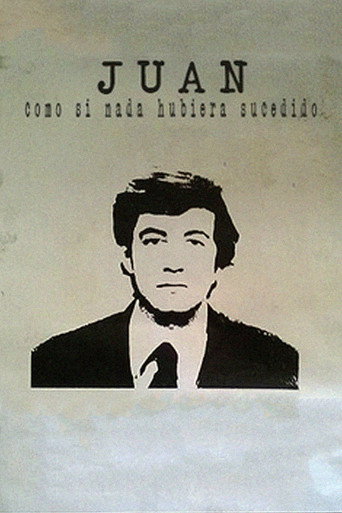
Documentary about the detention-disappearance of Juan Marcos Herman in the city of Bariloche during the dictatorship in Argentina.
Continuing the series started with Intervened Events (2014), the Buenos Aires Film Museum presents the second feature film made entirely with material from its archives and by fourteen outstanding Argentine filmmakers. These are nine issues of Cine Escuela Argentino, a project created in 1948 by the Argentine Ministry of Education during the first government of Juan Domingo Perón. The latter promoted “the use of the cinematographer as a didactic assistant destined to complete the educational and cultural work, mainly in what concerns exalting the feelings of the nationality, with the heroic example of the heroes, Christian morality and the multiple civil duties, great and small”. Hence, most of the films produced by Cine Escuela Argentino were aimed at scientific dissemination and tourism promotion of the various regions of the country. (Museum of Cinema)
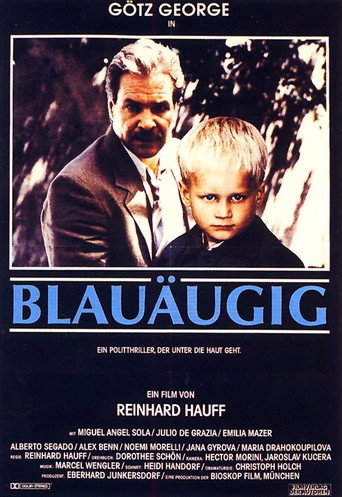
In this suspense story, the main character, Johann Neudorff, immigrated to Argentina from Germany after World War Two, and has become a successful businessman there. He is unconcerned with the nature of the government there, which at the time of this film (1978) is a military dictatorship. His comfortable existence is disrupted when he discovers that his beloved daughter Laura has become the lover of a political activist who is on the military's hit list. When his daughter is kidnapped, Johann attempts to use his government connections to free both her and her lover. However, his son Alfredo undermines his efforts, and Johann himself is incarcerated in a military prison, but not before he discovers that his daughter and her lover are both dead, killed by the regime.
The days between the end of the military dictatorship and the beginning of the constitutional period from 1983: political debates in the streets and the meetings of the Mothers of Plaza de Mayo, who were waiting for the role that each political party would play to claim for the disappeared. Osvaldo Bayer in first person.