Writing
No biography available.
Karl Bockerer is a Viennese original. He survives the ‘great times’ – to his own dismay his birthday is on the same day as the one of the “Führer” – by pretending to be more stupid than he really is, and uncovers, over and over again, the hypocrisy and the uptightness of the epic nonsense in his milieu by means of real and phony naivety. Where Schweijk made a mockery of the ruling system by being a presumptive follower, the Viennese butcher strives against the tide. And he is not alone, has family and friends. His personal braveness protects him neither from the rebellion in his own house, nor from the horrors of total war…
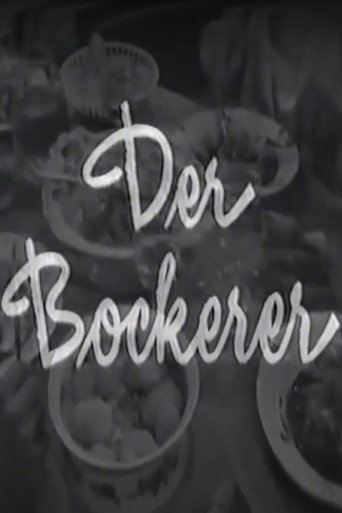
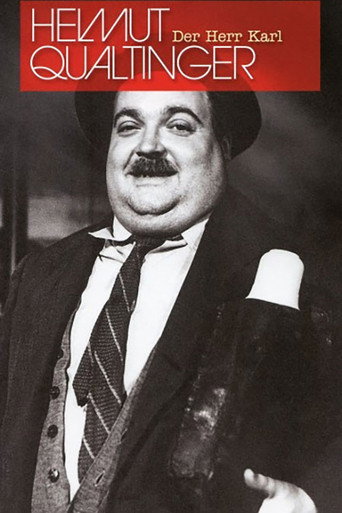
The second film adaption of the legendary monolog by Helmut Qualtinger and Carl Merz.
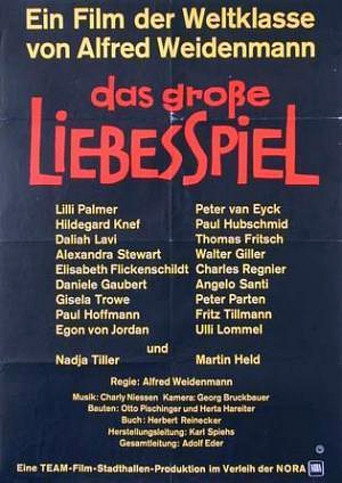
Twelve different episodes of erotic relationships are described as examples of modern love substitute.
Father Brown is only too happy to interfere with the work of the police in solving tricky criminal cases, usually with resounding success. That's why the clergyman is transferred to a sleepy island called Abbott's Rock. At first, nothing happens there, but somehow Father Brown seems to be attracted to crime: Soon a gang of thieves is up to no good on the island. So Brown makes the headlines again, and is punitively transferred once more. This time he finds himself in a quiet Irish millionaire community.
A politician is afraid about his reputation
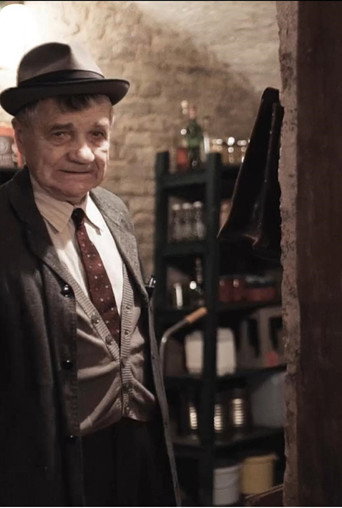
Mr. Karl tells his life story – from the 1920s to the 1950s. As an opportunist and survivor, he combines different facets of the Austrian soul. He is a petty-bourgeois follower, but he always knows how to make the most of opportunities for himself.
Austrian sex comedy.
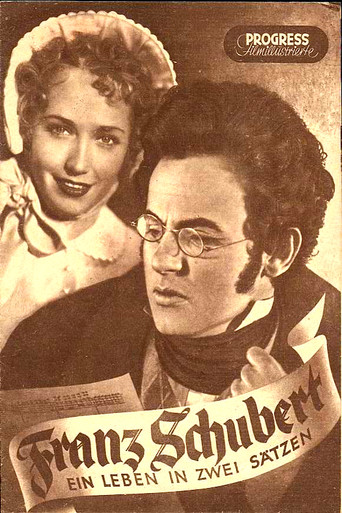
Franz Schubert toils by day as his father’s clerk while secretly composing in Beethoven’s shadow, gaining little recognition until friends persuade publisher Diabelli to host a public performance where he meets and falls for soprano Therese Grob. Abandoning a teaching career, he moves in with artist and poet friends, finds inspiration for the “Erlkönig,” and together with Therese sustains himself by performing his songs.
The antihero "Mr. Karl" tells a "young person", the viewer, his life story while he sits at work in the warehouse of a delicatessen. The narrator increasingly turns out to be an opportunistic follower from the petty-bourgeois milieu, who maneuvered his way through life in the changing course of Austrian history from the end of the First World War to the end of the occupation in the 1950s.
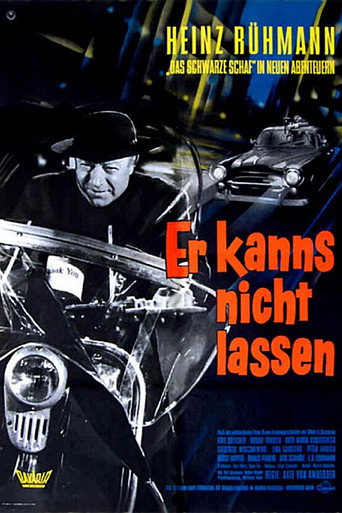
Three crooks come out of jail on probation and, taking advantage of the economic boom in Germany, they continue their shady business quite legally this time.