Acting
No biography available.
In the year 1914: The assistants of cobbler Lehmann compete for the affections of his daughter Frieda. Actually she’s in love with her ambitious cousin Fritz, but the cunning Franz knows how to string her along. When Fritz gets drafted, Frieda gives in and marries Franz. Soon Fritz is declared missing and the old cobbler dies of grief. Along the way Franz, who dodged the military service, earns his money with large-scale racketeering. Frieda is miserable. But then Fritz returns from Soviet captivity, prompting Frieda to divorce Franz. Finally Frieda accepts an inheritance from the USA and marries Fritz. With the money they open up a shoe store.
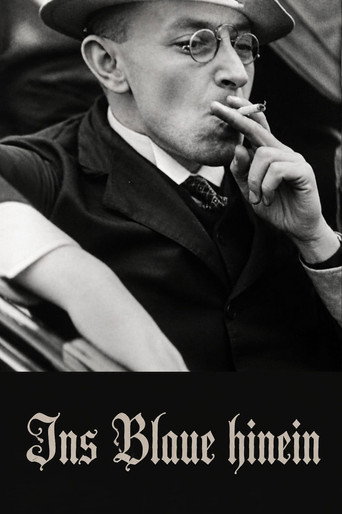
A recent rediscovery, master cinematographer Schüfftan’s only film as a director is a free-spirited, fast-paced ode to being young, free, hopeful... and completely broke.
The sensitive, music-loving son of a German general reluctantly attends a military academy and after warning a fellow officer to stay away from the cadet's attractive young stepmother, lands up being charged for murder.
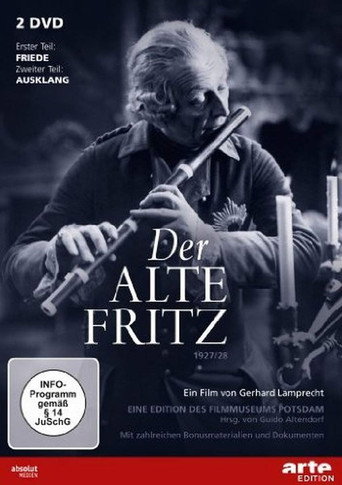
Silent epic on the final years of Frederick II.
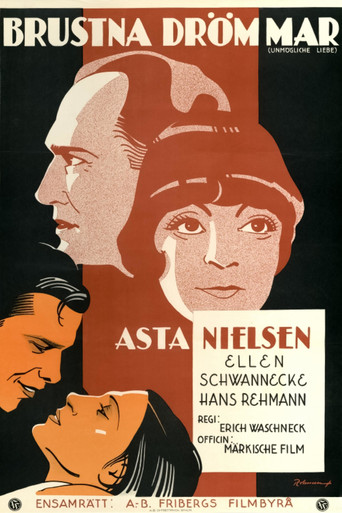
A deranged woman artist falls in love with a young sculptor. The impossible love ends tragically.
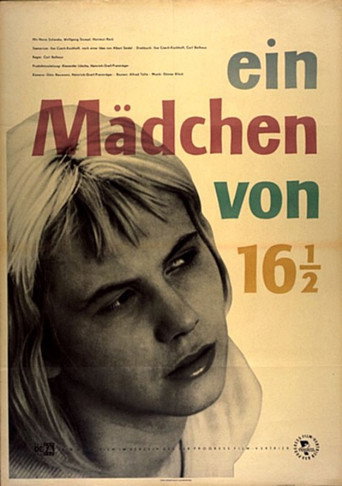
The young orphan Helga is raised by her aunt after WW II. At the age of sixteen, she turns her back to go her own way. As a rambler, Helga wanders through the night streets of Berlin and has brief acquaintances.
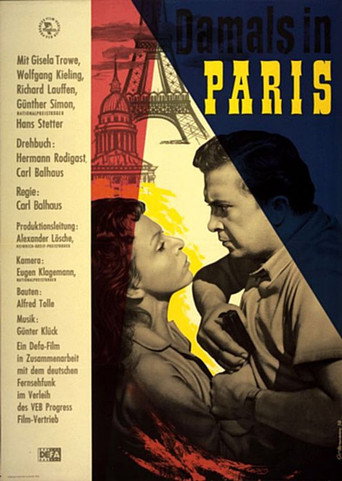
1944: Geneviève and René live in occupied Paris. They love each other, and the young woman looks fearfully at René's activities in the Resistance. She wants to stay out of it, and sometimes there are arguments about it. After one such argument, René goes to a meeting with a German comrade. While he is away, the Gestapo come to the house to take the resistance fighter Louise away. Geneviève intervenes and is arrested. The men of the resistance are very worried as she knows about a planned bridge demolition. René trusts her, and Geneviève does indeed withstand the torture. The bridge can be blown up as planned, contributing to a decisive defeat for the German army.
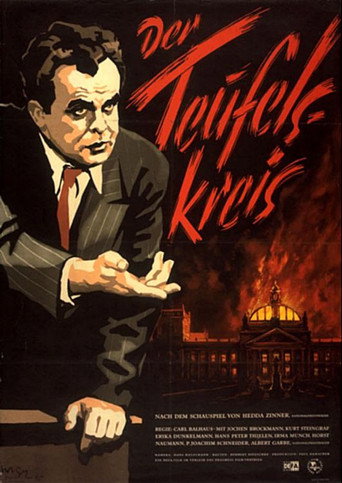
Shortly after the seizure of power by Adolf Hitler at the beginning of 1933, preparations were underway to silence the members of the socialist and communist parties.
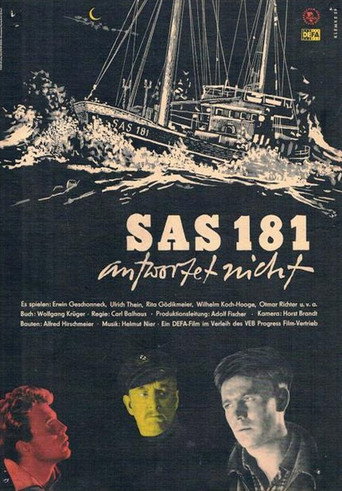
Kurt, an apprentice in a fish combine, is an ambitious loner. He wants to show what a good sailor he is at a regatta, but fails because of his recklessness and the storm. Disappointed, he seeks affection from the girl Anke, but she loves the apprentice Hannes. During a trip together with Captain Laue, who presents himself as a fatherly friend to Kurt, the boys get into an argument. However, when Laue makes an unscheduled call at Bornholm and Kurt discovers that Laue wants to sell the cutter's catch and equipment and flee, he buries his differences with Hannes. Together and with the help of the old fisherman Jens, the boys rescue the cutter.
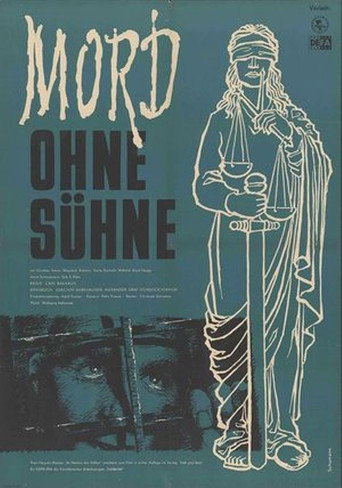
Based on an authentic case from the 1920s. The head country constable Heinz Lippert arrests the Polish farm worker Jakubowski on suspicion of murdering a child - his adopted son. Although he has insufficient evidence, public prosecutor Becker takes the case to court. Jakubowski is sentenced to death, the "Polish murderer" fits in with the propaganda of the time. Lippert, encouraged by the communist editor Hartmann, tries to prevent the sentence from being carried out and even investigates the real perpetrator. In vain, the death sentence was carried out prematurely. After the Nazis seized power, the public prosecutor, now an SS leader, had the men who had uncovered the true facts arrested. Lippert joins the underground resistance.
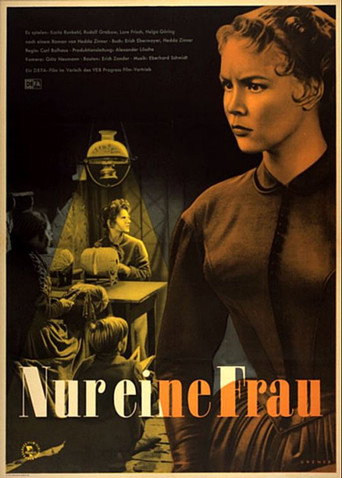
The film tells the life story of Louise Otto Peters, who in the middle of the XIX century in Germany for the first time raised a voice of protest against the unfair treatment of women and their labor. She created the first "women's newspaper" in Germany. The daughter of a famous lawyer, Louise could have easily arranged her life by marrying the wealthy Baron Rodern. But she chose a different purpose in life - to fight for equal rights for women. Through her articles and public speeches, she won the authority and respect of ordinary people.
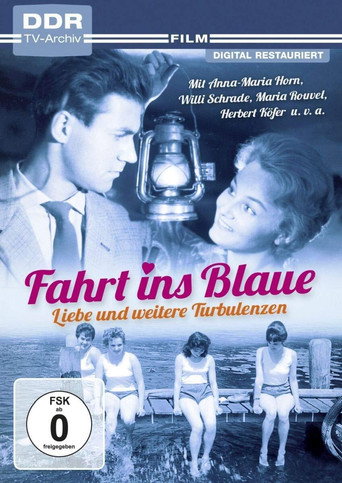
Günter has completed his electrical engineering degree and returns to Berlin. His old foreman and his wife welcome him and want to take a Sunday trip to Grünau, but he wants to visit a mechanical engineering exhibition that is only open that day. The old gentlemen accompany him to Stalinallee, and here something fateful happens: Günter meets the girl he has always fancied again ...