Cao Fei Movies, TV Shows, and Filmography

Cao Fei
Directing
Biography
Cao Fei (Chinese: 曹斐; born 1978) is a Chinese multimedia artist born in Guangzhou. Cao's work, which includes video, performance, and digital media, examines the daily life of Chinese citizens born after the Cultural Revolution. Some of her work is owned and displayed by The Solomon R. Guggenheim Museum. Her work explores China's widespread internet culture as well as the borders between dreams and reality. Cao has captured the rapid social and cultural transformation of contemporary China, highlighting the impact of foreign influences from the USA and Japan. Above information from Wikipedia.
Filmography Movies
Acting
i.Mirror by China Tracy
Cao Fei recorded her experiences within the online social platform Second Life. The result is a wistful, surreal vision of an alternative reality sprung from the pop culture fantasies and hyper-consumerism of contemporary urban China, while also trying to transcend its real-life limitations. It can be seen as an answer to the challenge posed by River Elegy: how to envision a new Chinese destiny founded on principles of individuality, creativity, discovery, and freedom. The film also reflects the contemporary condition of the virtual supplanting our experience of the real.
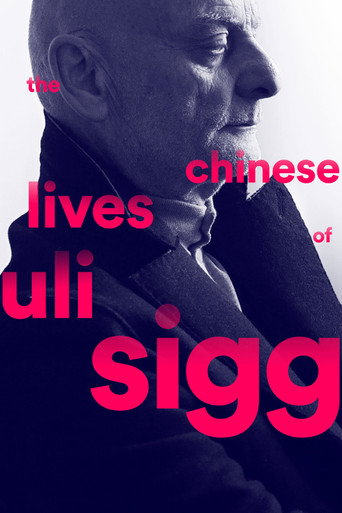
The Chinese Lives of Uli Sigg
Swiss collector Uli Sigg has played in the time of economic opening of China by Mao an essential role, which is still continuing. To better understand China, in 1980 as an entrepreneur and business expert to the country called Sigg art turns to and wears for years the most important collection of contemporary Chinese art together. THE CHINESE LIVES OF ULI SIGG granted for the first time a comprehensive insight into the exciting and extraordinary life of the entrepreneur, diplomat and art collector. Contemporary artists like Ai Weiwei, Zeng Fanzhi, Cao Fei, Fang Lijun Wang Guangyi or consider him a friend and mentor to whom they could entrust their works, to protect them against the arbitrary destruction of the authorities. The majority of them are over the Sigg museum M + in Hong Kong, which expected to open in 2019 and the works will be presented to the general public.
Production
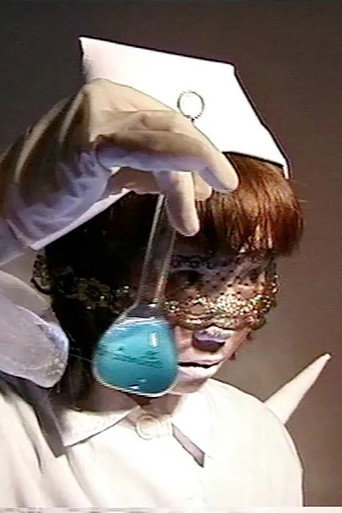
Chain Reaction
Chain Reaction is a kind of independent thinking itself. Since everyone has his or her own experience and values, I call the world of Chain Reaction “a view of schizophrenia”. Most of the images of the video surpass, as well as imitate daily life experience absurdly. The film is to analyze and oppose evil by the way of using the power of evil inside human nature. Chain Reaction is an allegory of evil but without the function of salvation like the other allegories.
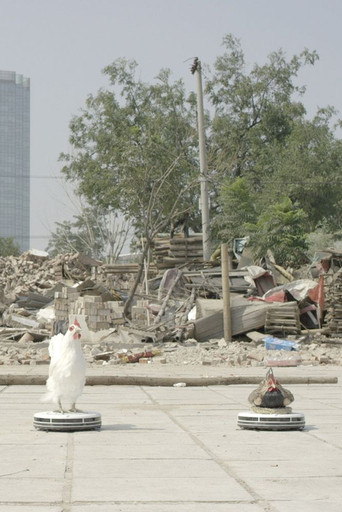
Rumba II: Nomad
The urban fringe of Beijing is the loosen bricks from fragmented land. A result of urban development. The dynamic and complex urban system produced and blurred out the edges between cities and suburbs. The size, scale and land use of different areas are at constant conversion to each other, which becomes the foundation to China urban development and relative space of the society and the economy. In the video, several domestic vacuum cleaning robots are released at urban fringe. The robots navigate randomly in a demolishing area - a scene that we already witness and it could be found in different area under urbanization; a scene that is exciting and also being the norm in China. The robots - as the visitors from the outer space, arrive in our world. By taking in the dust and ashes at the urban fringe, the land reality is collected and made into a sample; a sample that conveys our all time obsession and celebration of modern contemporary.
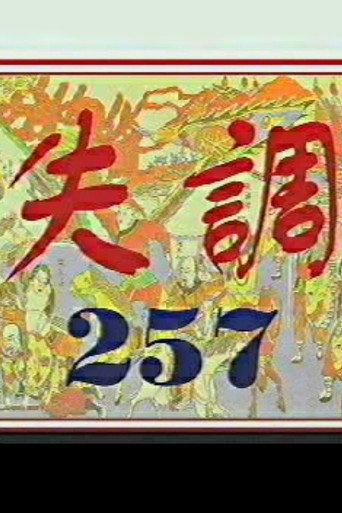
Imbalance 257
It is the typical stance of this generation, with its sensitivity and impulse, to try to blur the boundaries of all existing criteria and truths, to turn seemingly rationality into absurdity, and to mock at the given reality and the "legal" matters: either the systemor those who drag on with their lives under the system. I owe my courage to the restless adolescence that compels me to tear away any existing rules which block the way to our inner reality. Imbalance is an experience naked to us, an experience that might not be popular among Chinese college student today. It restricts us, transforms us, and forces us to expand and to change. It is the formula of a chain of events, the decease of adolescence, the edge of personal relationship, and the intermedium between bliss and despair.
Rumba II: Nomad
The urban fringe of Beijing is the loosen bricks from fragmented land. A result of urban development. The dynamic and complex urban system produced and blurred out the edges between cities and suburbs. The size, scale and land use of different areas are at constant conversion to each other, which becomes the foundation to China urban development and relative space of the society and the economy. In the video, several domestic vacuum cleaning robots are released at urban fringe. The robots navigate randomly in a demolishing area - a scene that we already witness and it could be found in different area under urbanization; a scene that is exciting and also being the norm in China. The robots - as the visitors from the outer space, arrive in our world. By taking in the dust and ashes at the urban fringe, the land reality is collected and made into a sample; a sample that conveys our all time obsession and celebration of modern contemporary.
Milkman
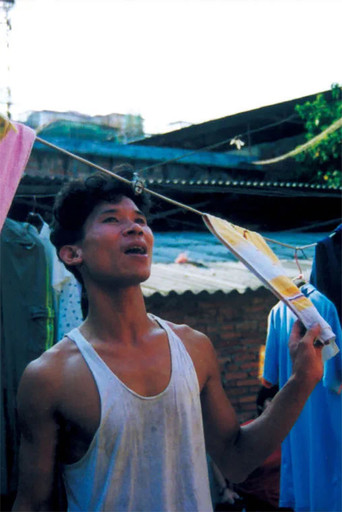
In Milkman which was made in 2005, Cao Fei sorrowfully captures the daily life of the nominal main character who is a milkman. He is sprawled all over his bed during the day and agonizes over the temptation of an online sex chatting show. By capturing the moment the character’s simple life and his stimulating online fantasy meet, the artist shows another side to her world of art in the virtual reality in which she has continuously showed interest.
San Yuan Li
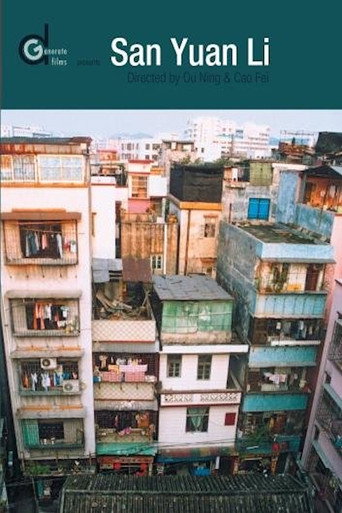
San Yuan Li, the collaborative project by Ou Ning, Cao Fei, and the members of U-thèque Organization, is a case study of the typical “urban village” phenomenon of Guangzhou in 1990s. Armed with video cameras, the crew penetrated San Yuan Li as “city flâneurs,” presented a highly stylized portrait of the village, attempting to rethink the debt of history, to document the confrontation and reconciliation between the newly urbanization and the patriarchal-clan-based traditional community, as well as the weird architectures and cultural landscape emerging from this previously rural area. At the end, all the colored footages were eidted into a piece of black-and-white video poetry. The project was exhibited in the 50th Venice Biennale for the first time, and then screened worldwide.
Haze and Fog
Darkly humorous reinterpretation of the zombie film, set in Beijing. Here the undead are real estate agents, nouveau riche businessmen, security guards, manicurists, and sex workers seeking contact in an increasingly individualized, alienating society.
i.Mirror by China Tracy
Cao Fei recorded her experiences within the online social platform Second Life. The result is a wistful, surreal vision of an alternative reality sprung from the pop culture fantasies and hyper-consumerism of contemporary urban China, while also trying to transcend its real-life limitations. It can be seen as an answer to the challenge posed by River Elegy: how to envision a new Chinese destiny founded on principles of individuality, creativity, discovery, and freedom. The film also reflects the contemporary condition of the virtual supplanting our experience of the real.
Rabid Dogs
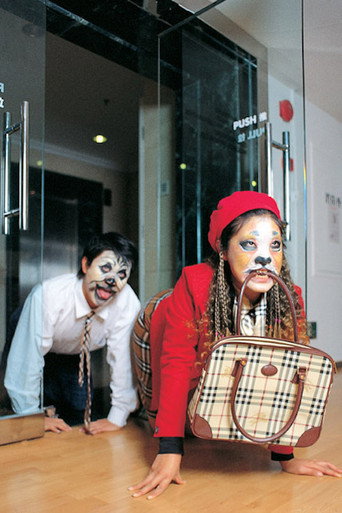
People dressed up as dogs make weird things.
Rabid Dogs
People dressed up as dogs make weird things.
Gallery