Directing
No biography available.
The story of my grandmother's first encounter with a *caboclo*, a spirit rooted in Afro-Brazilian traditions, is passed down from generation to generation. Like an invocation, it becomes the narrative matrix for other visions and accounts, especially among the women in the family. Beyond the visible spectrum, *Aparição* reflects on vision as a collective sense.
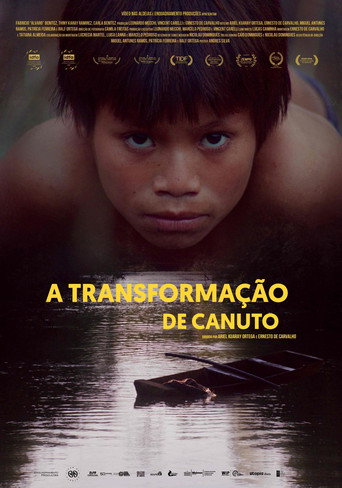
Ariel Kuaray Ortega returns to his hometown to visit his grandfather in a region of Brazil bordering Argentina. He wants to finally hear the full story of Canuto, a fellow villager who turned into a jaguar and then died a tragic death. A plan soon arises to make a film about the mysterious Canuto, with the villagers playing all the roles.
Cássia goes to sleep to the sounds of her alcoholic father and wakes up with the crow of her rooster bred for cockfighting. Her routine obeys a disciplined logic of restlessness and hard work. Between driving her father's taxi and tending their rooster, she is on the verge of breaking out to find a life of her own.
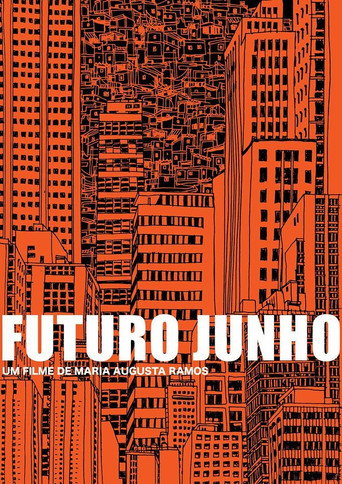
A portrait of the city of São Paulo through the life of four of its inhabitants: an economist and analyst of the financial market, a metallurgist who works at Volkswagen, a motorcycle courier and a railway worker. Each character calls attention to one aspect of the economy in a period of social tension: the three weeks before the start of the World Cup. Observing the daily life of the characters, Future June aims to reflect on this historical moment and on the ways that the current economic model determines social and human relations.
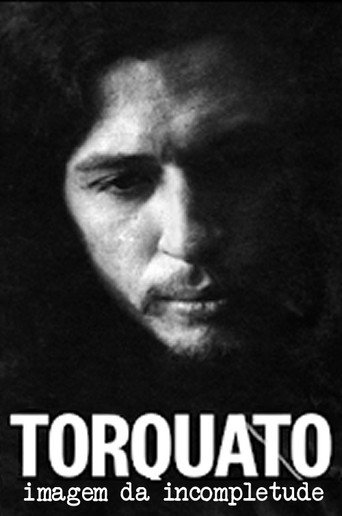
A reflection on the works and thinking of the last years of production by Torquato. Such as the magazine "Navilouca", the film "Terror da Vermelha", the column "Geleia Geral" and the controversial Cinema Novo X Marginal, among other passages important aspects of Brazilian culture in the 60s and 70s.
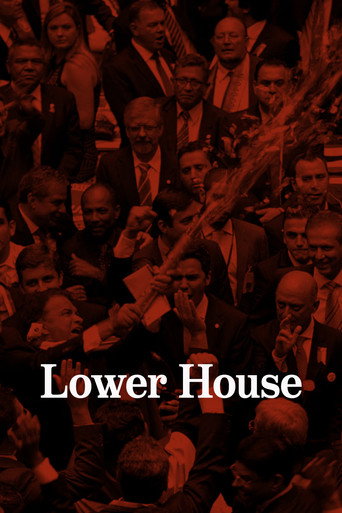
During 2016, a film crew embeds inside the Brazilian Congress while lawmakers plot to overthrow the country's elected president, Dilma Rousseff.
José Mauro is nervous about leaving his old apartment. Hilda and him will move to a place where everything will be new again, after 35 years living together. Hilda doesn't know what to do with the objects from that house that was never hers, and from where José Mauro has not left for the past 20 years. Everything will be packed and the old mattresses thrown away.
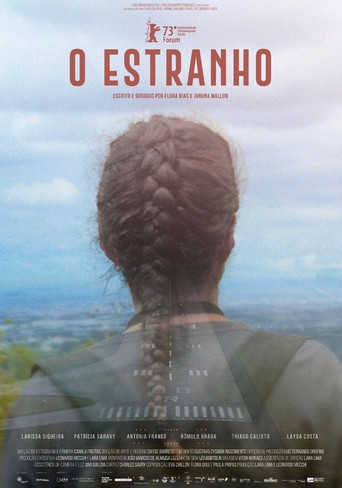
The name of Brazil’s biggest airport, Guarulhos, references the fact that it was built on indigenous territory. In a blend of realistic and stylised scenes, the film follows a member of the ground staff as she seeks her roots beneath the runway.
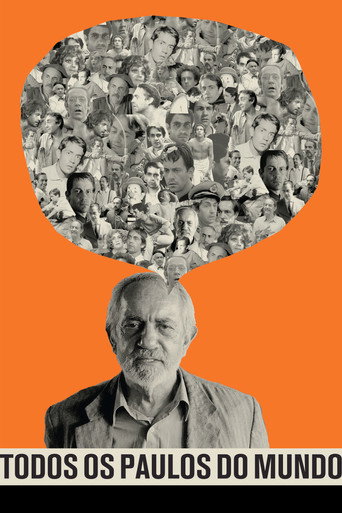
"All Paulos in the World" is a cinematographic essay about Paulo José, one of the greatest artists in Brazil, in the year in which he turns 80 years-old.
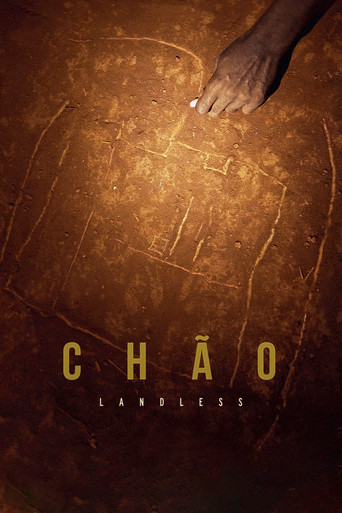
Since 2015, the Landless Workers Movement has been occupying an indebted sugarcane factory's land to press for its redistribution through land reform. Grandma, P.C. and their encamped fellows struggle to conquer a small share of land where they can settle down and live a self-sustainable life, growing agro-ecological crops in a newly knit peasant community they draw in their dreams.