Acting
No biography available.
TV movie from the series "A la Minuta," an action comedy with a very special "gang."
Estefânia is an old, rich, strict catholic woman, and when she sets her eyes on a couple of servants who have no means to bring up properly their youngest son, António, she decides to move her influences in order to make a priest out of him. The parents accept it, the local priest and even the Seminar's rector accept it, and António accepts it - if not for piety, for obeyance to his parents. Once time goes by, and António is out of rural misery and into the prison-like system of a seminar, doubts and anguishes mount within him.
A group of innocent hostages is left to their own deaths facing a clockwork bomb, while the whole country watches them on the TV.
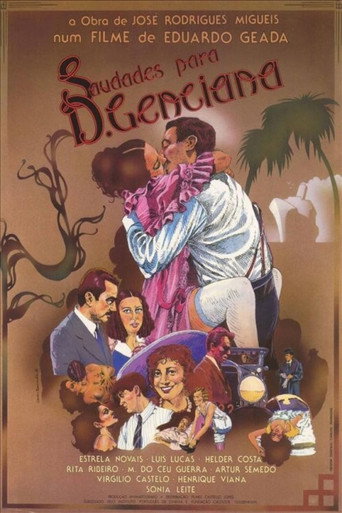
Dona Elvira promises to get a job from José through the typical Portuguese wedge. In parallel, they are bizarre aspects and eccentric figures of the city life, including the tragedy of the actress Maria Alves.
In 1974, not long after the death of Portuguese dictator Salazar, who had ruled Portugal from the early '30s to the late '60s, a group of disgruntled Army officers held a coup. They were even more disgruntled when they realized how the coup was being manipulated by leftist officers to instigate genuine elections and establish a constitution for the first time in Portuguese history. Though their intent was to form a radical socialist state, circumstances prevented this, and a genuine parliamentary democracy emerged. This film explores the circumstances of a right-wing businessman during those times. The man is an old-fashioned authoritarian, whose attentiveness to the needs of his mistress, wife and son is crude where it exists at all.
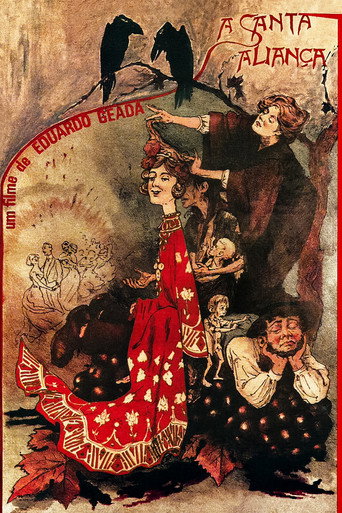
A nobleman from Alentejo, from a very conservative family, intends to reconquer Olivenza, returning the situation to the times of the Treaty of Tordesillas. To this end, he creates two movements, which prepare for the big day. However, these plans do not work, as the daughter of the Mayor of Olivenza falls in love with the son of the Baron of Altamira, and the war will be different...
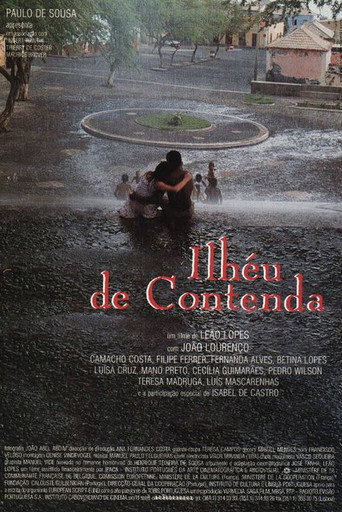
Cape Verde, 1964. At the feet of a mighty volcano, the traditional Cape Verdean society is undergoing a steady change. The old land-owning aristocracy is disintegrating. A class of "mulattos" begins to emerge, with a trade-based financial power that threatens the landlords. A new identity arises, a mix of old and new, of African and Portuguese culture, sensual and dynamic. The songs of Cesária Évora follow this inevitable transformation. From the novel by Henrique Teixeira de Sousa.
Nopumoceno, the most successful businessman in the Cabo Verde archipelogo, is an ambitious, clever opportunist, known during his lifetime as "eternity single". However, he is then discovered by his illegitimate daughter to have gotten his fortune and his women in unorthodox and incredible ways
A man exiled in Paris makes various trips to Portugal after the Carnation Revolution. Each trip is represented by a woman.
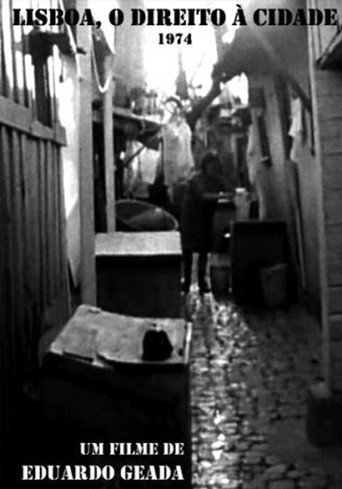
The way in which the structuring of capitalist urban space reflects the contradictions and conflicts of the classes in struggle, and the demarcation of a Marxist analysis of urban reality, which the few off-screen statements only serve to confirm. One of the characteristics of the city in which we live is its differentiated distribution and use: the various areas do not have similar forms of occupation, nor the same urban facilities, nor populations with identical social and economic characteristics.