Camera
César Charlone (born February 20, 1950) is a Uruguayan filmmaker and cinematographer. Description above from the Wikipedia article César Charlone (cinematographer), licensed under CC-BY-SA, full list of contributors on Wikipedia.
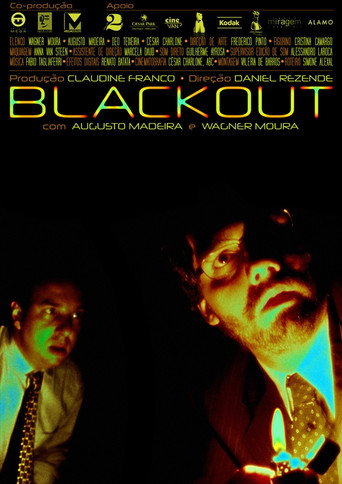
At the end of a tough workweek an assistant congressman and his friend go to an abandoned room in the Capitol building to relax and smoke a joint. While trying to unwind the assistant congressman complains about his job. He is doing all he can to cover up his boss' scandalous sex affair but nothing seems to be working. "Things can't get any worse", he proclaims. . . but they do!
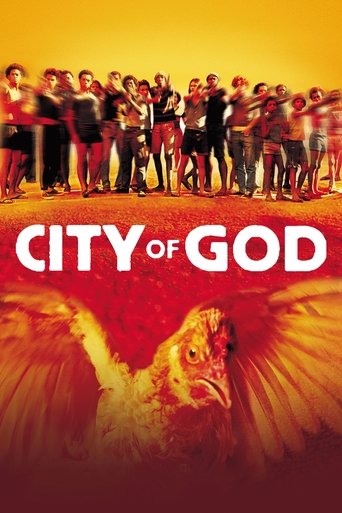
In the poverty-stricken favelas of Rio de Janeiro in the 1970s, two young men choose different paths. Rocket is a budding photographer who documents the increasing drug-related violence of his neighborhood, while José “Zé” Pequeno is an ambitious drug dealer diving into a dangerous life of crime.
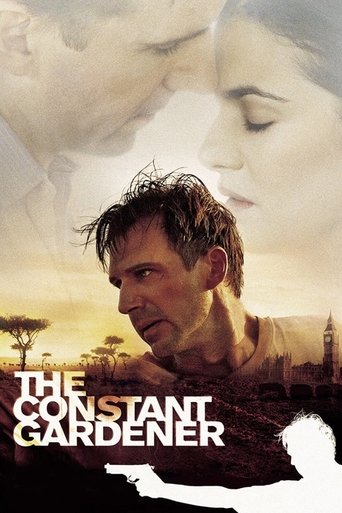
Justin Quayle is a low-level British diplomat who has always gone about his work very quietly, not causing any problems. But after his radical wife Tessa is killed he becomes determined to find out why, thrusting himself into the middle of a very dangerous conspiracy.
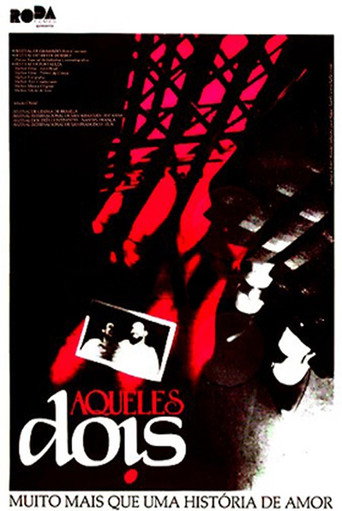
Raul and Saul work at the same office. Raul, outgoing and good-natured, comes from a broken marriage. Saul is shy, with a critical and bitter disposition, is recovering from a failed suicide attempt. In spite of their differences, they become quite good friends. But their colleagues begin to wonder whether there's something beyond friendship between them.
The film narrates, from an intimate point of view, the daily life of President Dilma Rousseff in her official residence, the Palácio do Alvorada, while awaiting the verdict of the impeachment process. Portraying the hallways of the palace, designed by Oscar Niemeyer, we see the coming and going of political meetings, the daily routine of the kitchen, the exchange of guards, whispers and phone calls. We feel the growing tension of officials, advisers and former ministers.
In 1998, a small South American village is in a flurry over the Pope's upcoming visit for the business opportunities that it will provide. While most of the residents plan to sell food at the parade, a smuggler family man decides to build a pay toilet.
When a sudden plague of blindness devastates a city, a small group of the afflicted band together to triumphantly overcome the horrific conditions of their imposed quarantine.
In 1884, the famous painter Juan Manuel Blanes, from Uruguay, is asked to create a portrait of José Artigas. There is only one drawing of his face, done in his old age so Blanes must imagine what he looked like by reading up on his ideas and learning about his life.