Cécile Aubry Movies, TV Shows, and Filmography
Cécile Aubry
Acting
Biography
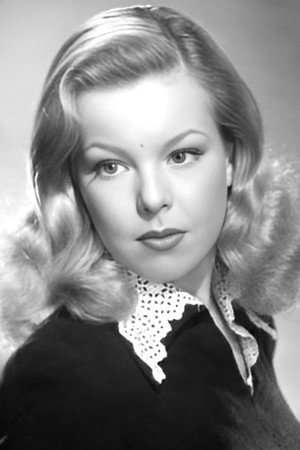
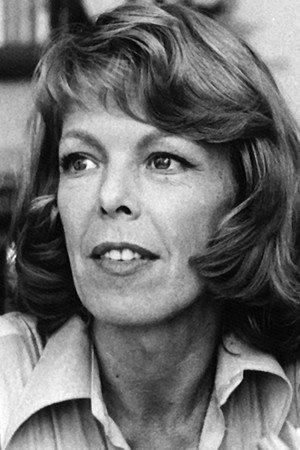
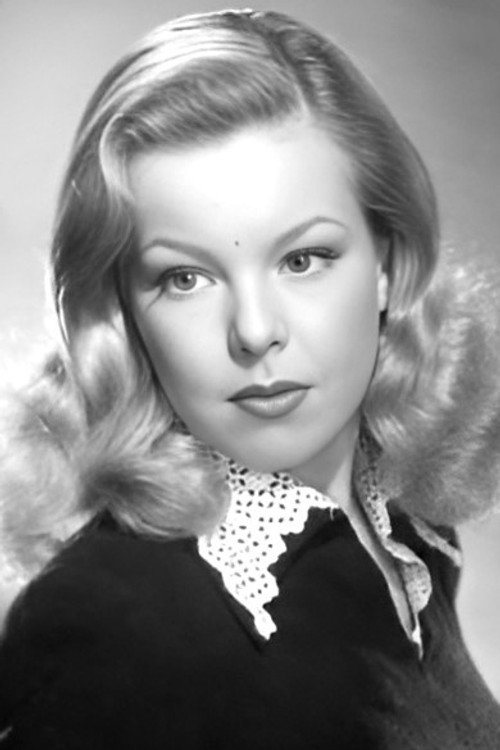
Cécile Aubry (3 August 1928 – 19 July 2010) was a French film actress, author, television screenwriter and director. Born Anne-José Madeleine Henriette Bénard, Aubry began her career as a dancer. At age 20, she was signed to 20th Century Fox. She made her break as the star of Henri-Georges Clouzot's Manon (1949), which won the Golden Lion at the famed Venice Film Festival. That brought her a leading role alongside Tyrone Power and Orson Welles in American director Henry Hathaway's feature The Black Rose (1950). She had a strong performance in Christian-Jacque's Bluebeard (1952), one of the first French-produced films to be made in color. For a short time, she was a Hollywood success, signing a lucrative contract with Fox, employing her parents as a publicity team, and regularly appearing in French film magazines as an example of the perfect hybrid of Franco-American femininity. Her film career was short. It was interrupted by a secret six-year marriage to Si Brahim El Glaoui, the eldest son of the pasha of Marrakesh. She announced her retirement from film in 1959, claiming that she had only enjoyed cinema for its travel opportunities. She went on to write children's books and scenarios for children's television with considerable success. She was known in France for her TV series for children, Poly, about a boy and a horse, and Belle et Sébastien, adapted for television from her books. The main character in both series was played by her son, Mehdi El Glaoui (credited as "Mehdi"). On 19 July 2010, she died from lung cancer in Dourdan (Essonne), France, aged 81. Description above from the Wikipedia article Cécile Aubry,licensed under CC-BY-SA, full list of contributors on Wikipedia.
Filmography Movies
Acting
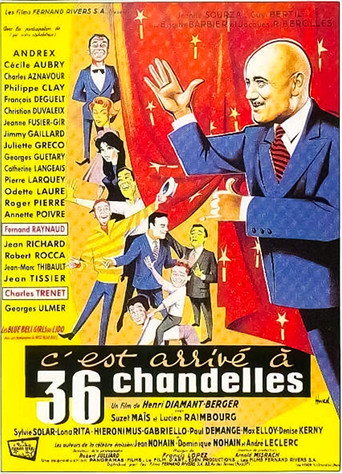
It Happened on the 36 Candles
Rejecting the union of her daughter Brigitte with a modest worker, Madame Magnin invents an adultery for the lover, then introduces Brigitte to a good-looking man working on the famous RTF entertainment show 36 Chandelles. The show ultimately seals the reunion of the two estranged young lovers. The story features a parade of music-hall stars from the era: Charles Trenet, Charles Aznavour, Georges Guétary, Juliette Gréco, Roger Pierre and Jean-Marc Thibault, Fernand Raynaud, Georges Ulmer and many more.
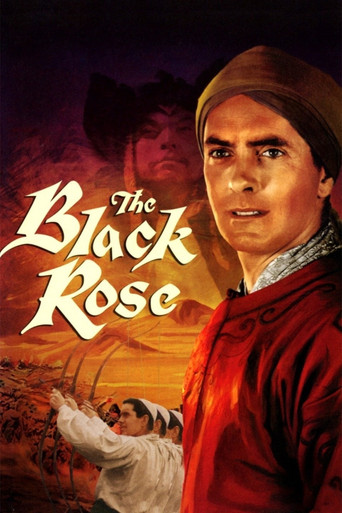
The Black Rose
In the 13th century, Walter of Gurnie, a disinherited Saxon youth, is forced to flee England. With his friend, Tristram, he falls in with the army of the fierce but avuncular General Bayan, and journeys all the way to China, where both men become involved in intrigues in the court of Kublai Khan.
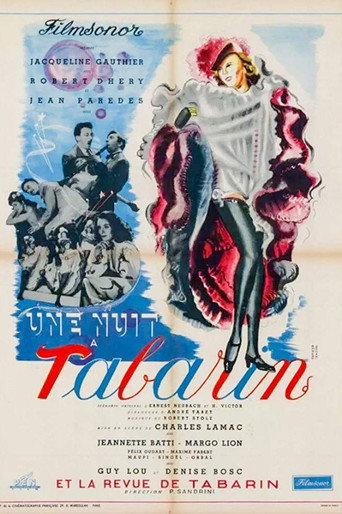
One Night at the Tabarin
Together with his uncompromising friend Marie Girard, André de Lurvire clamors for moral reasons for the closing of the Bal Tabarin, a famous Paris cabaret. So, imagine André's reaction when he... inherits the joint! But, following the seductive schemes of Cora, Tabarin's sultry star, Lurvire gradually lowers his guard, discovers the good life and abandons his wife.
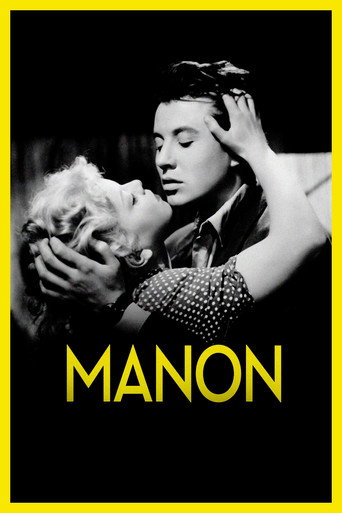
Manon
Port of Marseille, France, recently liberated from the German yoke. Caught as stowaways aboard a ship, Manon, a young woman who was accused of collaborating with the Nazis, and Robert, a freedom fighter who saved her from reprisals, tell the captain about the many challenges they have had to face in order to survive.
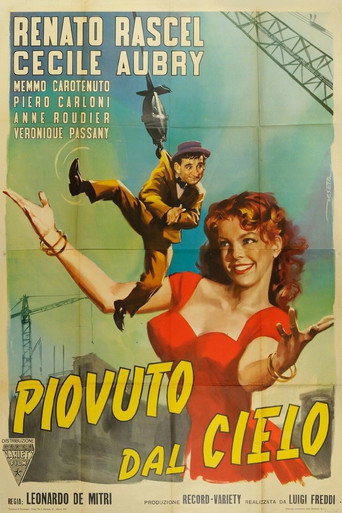
Piovuto dal cielo
A pickpoket falls in love with one of his victims.
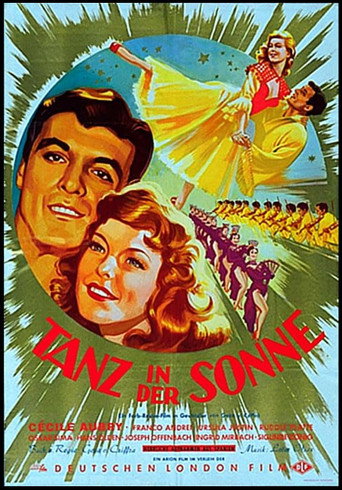
Tanz in der Sonne
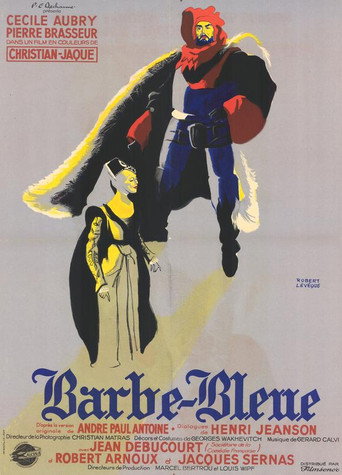
Bluebeard
Just before wowing international critics and moviegoers with his adventure romp Fanfan la Tulipe, director Christian-Jaque dashed off the lampoonish Barbe-Bleue. Ostensibly the story of the famed wife-killing potentate Bluebeard (Pierre Brasseur), this lighthearted costumer begins as the title character is poised to march down the matrimonial aisle for the eighth time. Barbe-Bleue's newest spouse Aline (Cécile Aubry) is kept in line by her husband's claims of murdering her predecessors. But when Aline opens the famous locked door to the equally famous hidden room, both she and the audience are in for quite a surprise. The frivolous nature of Barbe-Bleue is underlined by its pleasing utilization of the French Gezacolor process.
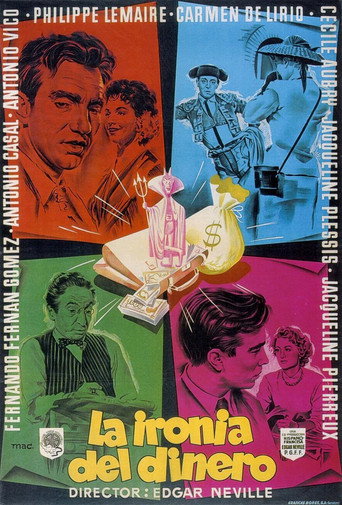
The Irony of Money
The finding of a wallet with a lot of money is the common theme of four stories, featuring a shoeshine from Seville, a clerk from Salamanca, a bullfighter from Cuenca and a newspapers seller from Paris.
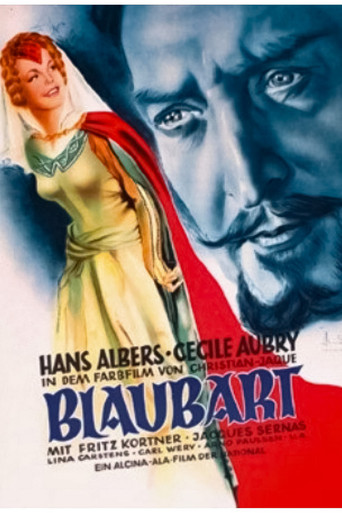
Bluebeard
"Bluebeard" (German: "Blaubart") is a 1951 black comedy film directed by Christian-Jaque and starring Hans Albers, Cécile Aubry and Fritz Kortner. Based on the fairy tale "Bluebeard" by Charles Perrault, it was a co-production between West Germany, France and Switzerland. It was made using the Gevacolor process. A separate French-language version, "Barbe-Bleue", was also made.
Production
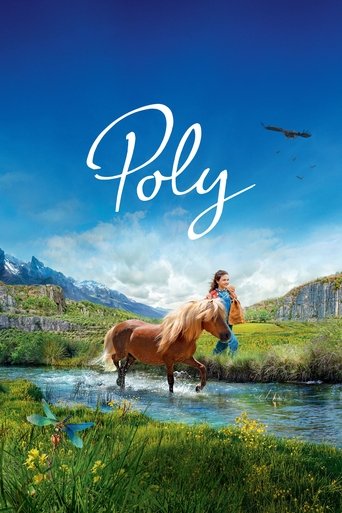
Poly
The adventures of Shetland pony Poly in the South of France.

Belle and Sebastian: Next Generation
10-year-old Sebastien reluctantly spends his vacation in the mountains with his grandmother and aunt. Helping them with the sheep is hardly an exciting prospect for a city boy like him - but that is without considering his encounter with Belle, a huge dog mistreated by her owner. Ready to do anything to fight injustice and to protect his new-found friend, Sebastien will spend the craziest summer of his life.
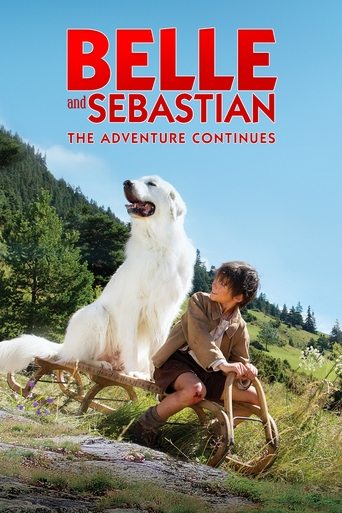
Belle and Sebastian: The Adventure Continues
September, 1945. Sebastian impatiently waits for the return of his friend Angelina, whom he has not seen for two years. When the plane carrying the young woman to her small village in the Alps is reported to have crashed in the mountains, Sebastian is convinced that Angelina is still alive. Along with his faithful dog Belle, Sebastian embarks on the most dangerous adventure of his life.
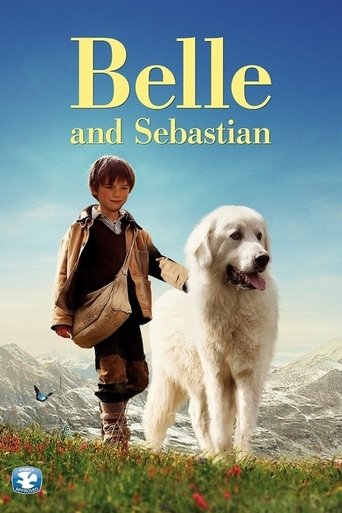
Belle and Sebastian
Belle and Sebastian is set high in the snowy Alps during the Second World War. The resourceful Sebastian is a lonely boy who tames and befriends a giant, wild mountain dog, Belle – even though the villagers believe her to be ‘the beast’ that has been killing their sheep.
Gallery