Byeon Gi-jong Movies, TV Shows, and Filmography
Byeon Gi-jong
Acting
Biography
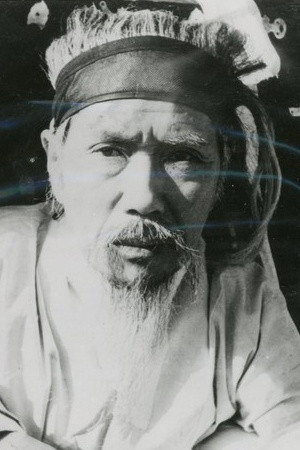
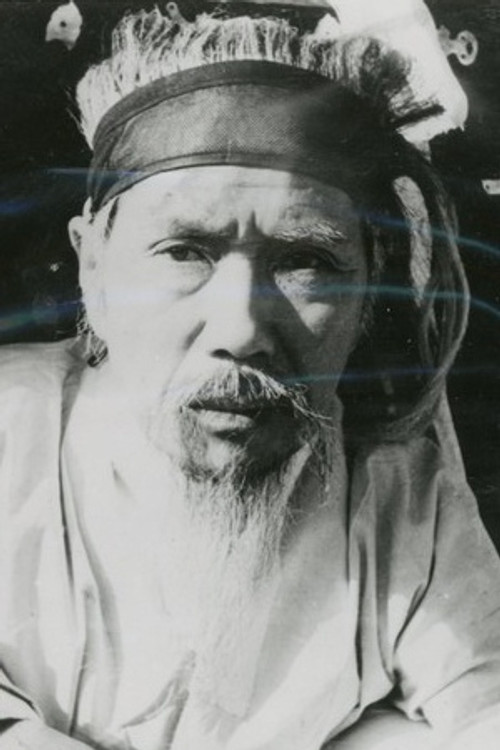
Born Byun Chang Gyu on the 29th July 1895, in Seoul, Korea. He began to use the stage name Byun Ki Jong when he began theatre in 1912. In 1913 he met with Yi Gi Se who was a pioneer in the theatrical movement. In 1919, he joined the Chosun Literary Association of Yi Sensei, and starred in the serial play "Jigi". At this time, he was a young man in his mid-twenties, but he worked as a labourer and became a professional actor. He also performed in theatre performances, radio plays, and theatre companies. During the time of the US Military Government, he became chairman of the theatre of the Korea Theatre Association. However, as the US military 's left - wing oppression intensified, the left - wing connections of the theatre system became more and more common, and the free theatre stopped performing. In the Republic of Korea, the actor actively participated in the theatre scene. He made his on screen debut in "A Hometown in Heart" in 1949. In 1956, he was selected as a member of the Korean Academy of Arts. He was a veteran of the theatre industry, holding roles including deputy director of the Korean theatre arts department, advisor to the Korea Theatre Association, and director of the National Theatre Company. In 1973, he received the National Medal Mugunghwa.
Filmography Movies
Acting
Iljimae the Chivalrous Robber
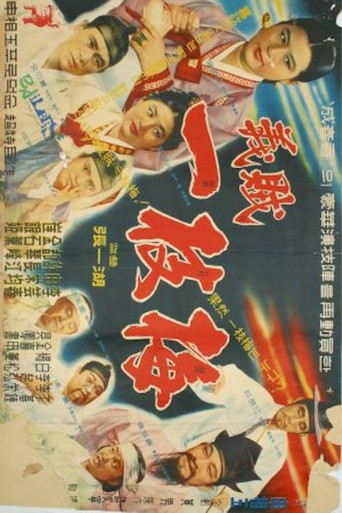
Iljimae's parents were killed due to a conspiracy when he was young. Many years later he became a chivalrous robber, robbing corrupt officials and helping the poor. He eventually manages in taking revenge for his parents' deaths. But the police start to chase him, and he hides himself at a gisaeng's house. The gisaeng was his ex-fiancee. She also lost her parents to a conspiracy. She begs Iljimae to stay with her, but he leaves to do what he has to.
The Wedding Day
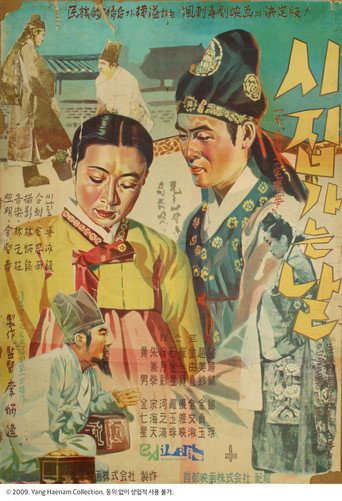
Master Maeng is very proud that an influential family will soon be his esteemed in-laws when his loving daughter, Mi-yeon, marries their son. A few days before the wedding Maeng hears a rumor that his future son-in-law has a cripple leg. Regretting that he can't give his lovely daughter to a cripple, he decides to marry his maid to him instead. Unexpectedly the future son-in-law shows up at the wedding hall and he is not a cripple, but a healthy and handsome youth. Feeling embarrassed, there is no way but to wed the maid to him. The Wedding Day is a recreation of A Happy Day of Jinsa Maeng, a comical play by Oh Yeong Jin. The first Korean film to win an international film award, the Best Comedy Award at the 1957 edition of the Asian Film Festival (now Asia Pacific Film Festival).
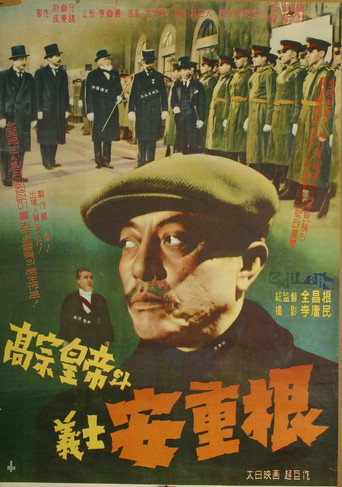
King Gojong and Martyr An Jung-geun
At the end of the Joseon Dynasty, shortly after the Eulsa Treaty has been forced to be concluded by Ito Hirobumi and the pro-Japanese courtiers, Japan pressures King Gojong to step down from the throne. Meanwhile, An Jung-geun, who is cultivating men of ability at Samheung school, is deeply impressed by a speech made by An Chang-ho, and heads for Russia to volunteer the army fighting for independence of the country. As both a lieutenant general of the Korean militia and a commander of the Korean expeditionary force in Manchuria, he carries on the independence movement in defiance of Japanese coercion.
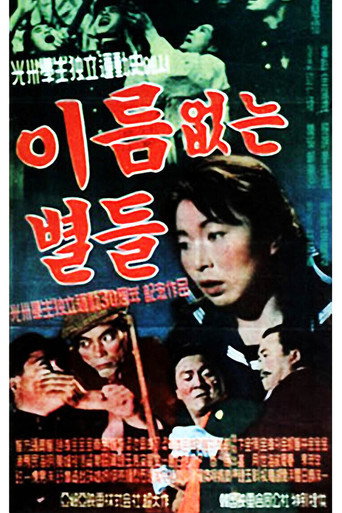
Nameless Stars
The son of a freedom fighter, Sang-hun is a member of an anti-Japanese resistance group called "Seongjinhoe," composed of students who share a dedication to the cause of liberation. Their spiritual guide is a teacher named Song Un-in. One day, Yeong-ae, whose brother is a detective in the Japanese police force charged with monitoring independence movements, joins their group. Following a series of sporadic incidents, the students gather one night to resolve on an uprising, but are discovered by the police. Young-ae is wrongfully accused of betraying their plans, but she risks her life in order to allow the group members to escape. The morning after, the students of Gwangju rise up against the Japanese government.
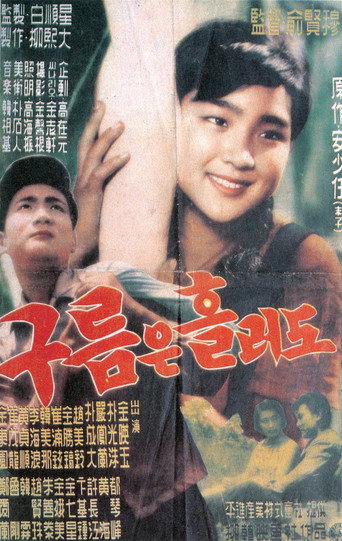
Even the Clouds Are Drifting
After the death of Mal-Suk's father, her eldest brother, Dong-suk, becomes the sole breadwinner for his three siblings. With rumors of impending strikes and job cuts at the local mine, the struggling family faces difficulties in providing food and school fees for Mal-Suk and her brother Dong-il. This situation forces the two older siblings to move to Seoul, leaving the younger ones with their neighbors. Mal-Suk's only outlet is in her diary, where she candidly shares her hopes and troubles.
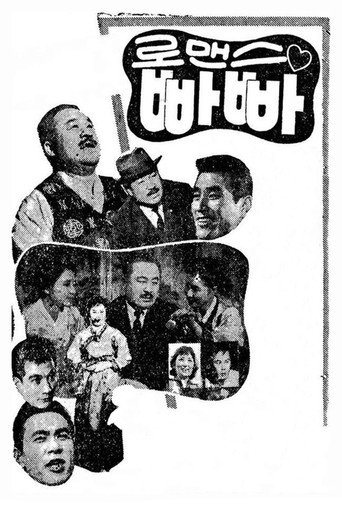
Romance Papa
A middle-aged man is laid off from work but is too proud to tell his family. His children, however, learn of the situation and take jobs of their own to help him save face.
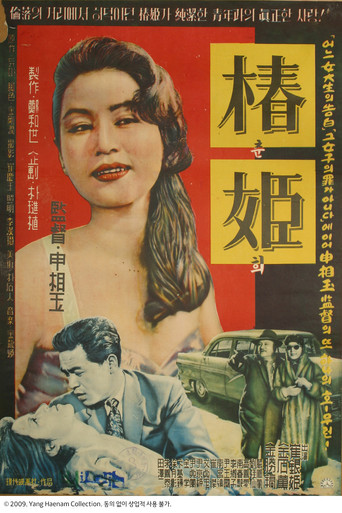
Chun Hui
A young man is in love with a waitress, but his father opposes their relationship. The father approaches the waitress telling her that if she truly loved his son, she would abandon him. She submits to the father's wish, though she is dying from tuberculosis.
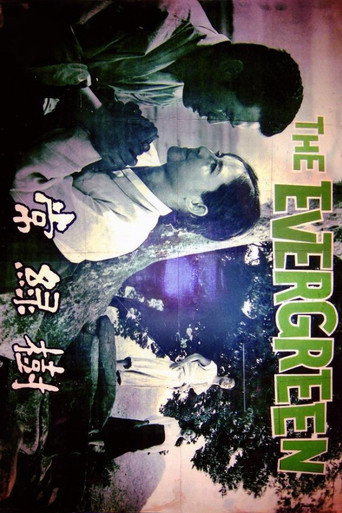
The Evergreen
Yeong-shin and Dong-hyuk graduate from college with a cause. They plan to bring education and modernization to farmers living in the rural area of their hometown. When they arrive, the pair immediately get to work, Dong-hyuk builds a village hall and starts aiding the farmers while Yeong-shin tries to gather the children to form a school. However, the villagers at first resent and resist the pair. It is not until one child, Ok-bun, takes the initiative and and learns to read under Yeong-shin’s care that the villages trust the pair and allow their children to be taken from the fields and taught reading, writing and math.
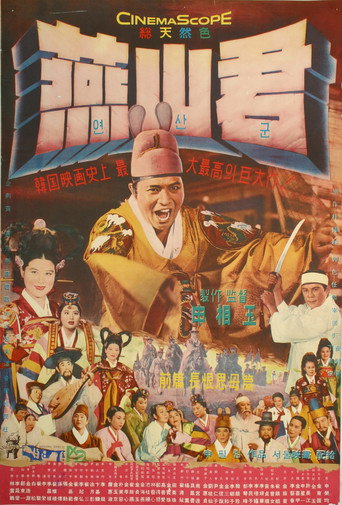
Prince Yeonsan
A historical drama about Prince Yeon-san of Joseon as a prince trying to restore the status of his mother, the deposed and executed Queen Yun.
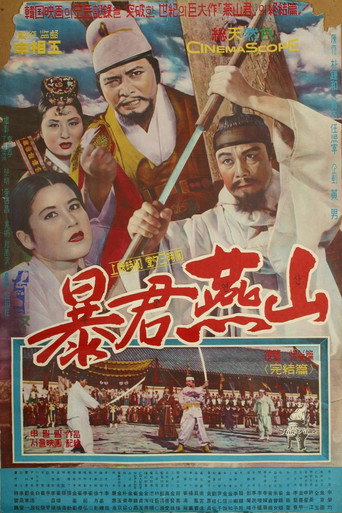
Tyrant Yeonsan
Prince Yeonsan-gun turns into a tyrant out of grief for his mother's death. He orders beheadings of all the officials who displease him or who advised the previous king to depose the queen. He becomes crueler by the day. But in 10th year of his reign, he is kicked out of the throne and dies a tragic death.
Gallery