Acting
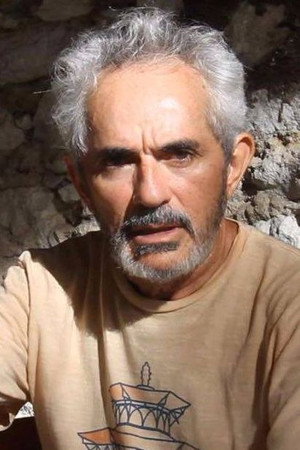
No biography available.
An existential western about the pain of a family and the silence of a country.
After taking in an abandoned child, Teresa meets Antônio and the two begin a journey on the roads. The common past, for them, is the memories of a city submerged at the bottom of a dam. Life is a dream, but the future is uncertainty.
O Pastor e o Guerrilheiro is a Brazilian feature film inspired by a true story, which takes place in the 1960s and 1970s and at the turn of the millennium - in the last days of 1999.
Based on a comic book by fanzine artist, comic book writer and graphic artist Shiko, "O Cão Sedento" marks Bruno de Sales' directorial debut. The film is set in 1970, when a series of car thefts, involving the burning of the victims, shakes João Pessoa, the capital of Paraíba.
Zézé Gamboa's sardonic historical drama follows a good-hearted, apolitical con man who, on the eve of Angolan independence in the mid-1970s, pulls off a massive swindle at the expense of the Portuguese colonial administration — and soon after finds himself hailed as a hero of the national liberation struggle.
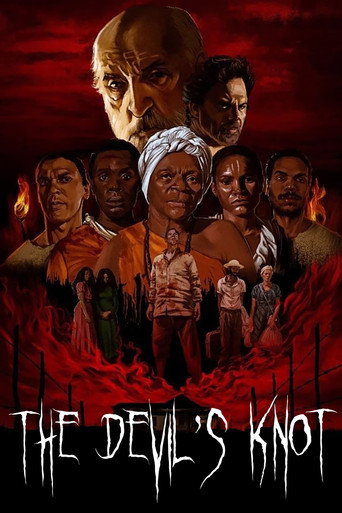
During the slavery period in Brazil, a sugar cane farm was the stage for the darkest kinds of horrors. Years later, the place's cruel past is still stained in its walls, even if unnoticed, until a series of strange events starts happening and death returns to the farm. The film is divided in five short horror stories.
When an ocean-fascinated cowboy from the Brazilian backlands discovers that the farm where he has worked all his life will be sold, he abandons everything to, finally, get to know the sea. Guided by an old postcard sent by a long-lost love, he embarks on a quest that will redefine his life.
On a hot summer day, Paloma decides to fulfill her most cherished dream: a traditional wedding in a church with her boyfriend Zé. She is a devoted mother, a hard-working farmhand in a papaya plantation and has been saving to afford the celebration. The priest’s refusal to marry her and Zé will force Paloma to confront the rural society. She suffers violence, betrayal, prejudice and injustice but nothing shakes the faith and determination of this transgender woman.
Brazil, 1977. Marcelo, a technology expert in his early 40s, is on the run. Hoping to reunite with his son, he travels to Recife during Carnival but soon realizes that the city is not the safe haven he was expecting.