Acting
No biography available.
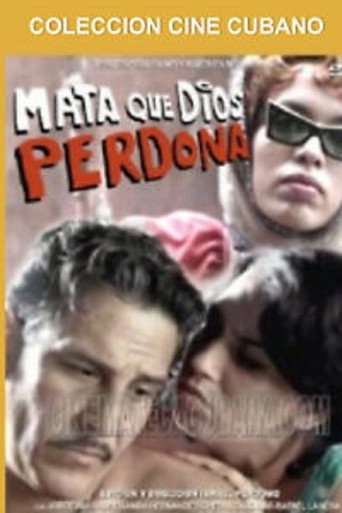
Set in Cuba in early 1959, although the historical context is deliberately avoided in its epic backdrop, the story follows the persecution of a poor guy who owes a few pesos to a loan shark and a thug who swear to get even with him, not so much because of the unpaid debt as because they don't want to set a precedent. The man's name is Miguel, and he seems to care as much as Santiago Nasar that the killers are hot on his heels with their half-tone shoes. On the day of his "double crime" (the story recreates those 24 hours), he has a couple of drinks in a bar, argues with his ex-lover, has sex with a young prostitute, puts up with a scolding from his friend Pedro for being negligent, walks, urinates, goes to bed...
Simón transports illegal immigrants to New York, leaving them to their fate. When he is discovered by the coastguard, a young sailor, named Andrés saves his life. But when Andrés falls for Marie—a young protegée of Simón's—conflict erupts.
Ignacio and his nephew Tomasín are two Galician businessmen sharing a family inheritance bonus with their cousin Divina Luz, cuban-born, but of Galician descent. The division of the property is notarized in Santiago de Compostela, where Divina Luz is received by his unknown family.
At the height of the 1980s AIDS epidemic, Cuban boxing champion Horacio's punishment for failing a drug test is to watch over the brash, combative Daniel, a patient in a sanatorium where HIV patients are compulsorily confined. The two collide as Daniel yearns for freedom while Horacio dreams of returning to the ring.
In no particular time and space, a family fabricates goat cheese. The mother and the daughter pretend to sell the cheese in a lonely road, but they are really selling their bodies. They leave the hard worked cheese to decay in a pile of dirt and rot. The mother encounters existential desperation when the daughter departs with a costumer and the father prefers the company of the goats.
An approach to a living myth of dance, Alicia Alonso, from the viewpoint of her passion, tenacity and devotion to art. It includes fragments of the ballet Giselle, choreographed by her, based on the original by Jean Coralli and Jules Perrot, and of La Diva, choreographed by Alberto Méndez.
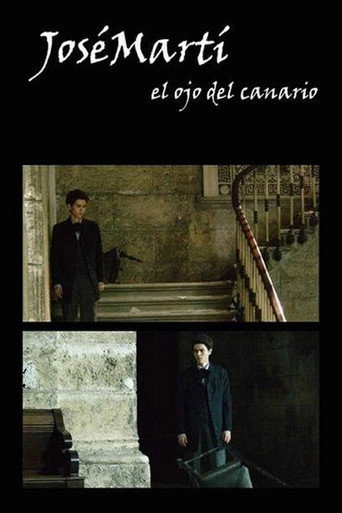
This historical drama, depicting different phases in the late childhood and youth of the so-called "Apostle of Cuba" José Martí, is most of the time a biopic full of commonplaces often found in this genre, directed by Fernando Pérez, one of the most respected names in Cuban cinema.
A story about teenagers, their parents and teachers, the conflicts that can arise in today's Cuban society, and their solutions. The film tells the story of Matilde and Isabel, two young girls in ninth grade in the Cuban capital, who become close friends despite their differences in education, social behavior, and personality.
In a boarding school, Raidel is witness to the abuse suffered by his schoolmate Randy.
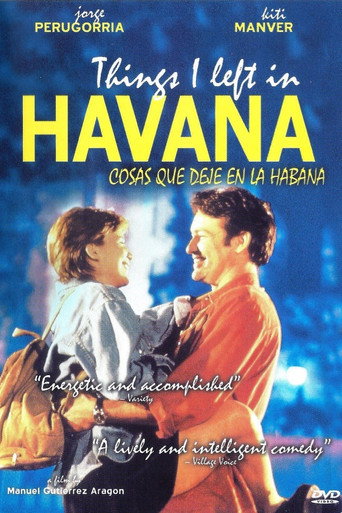
Three sisters leave Cuba in search of a better life in Madrid. While there, they encounter, among other things, other Cuban expatriates.