Brigitte Lindenberg Movies, TV Shows, and Filmography
Brigitte Lindenberg
Acting
Biography
No biography available.
Filmography Movies
Acting
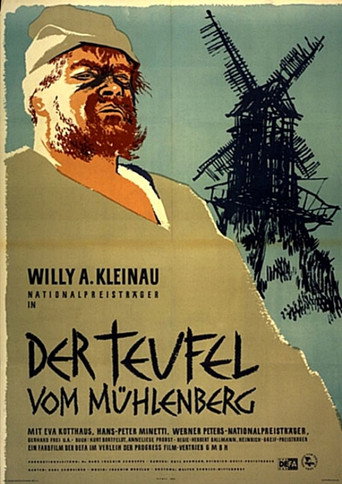
The Devil from Mill Mountain
This film is set in a medieval mill town in the Harz mountains. The greedy and brutal millman and his accomplices, the castle steward and the mayor, set fire to a forest mill that the farmers used for processing their grain. Without their mill, the farmers must now rely on the millman's services. When the farmhand Anna uncovers the millman’s crimes, he swiftly detains her and a young miller, Jörg. The forest spirits have a different plan, however, and they free the young couple with the charge to rebuild the ruined forest mill and turn things around for the villagers.
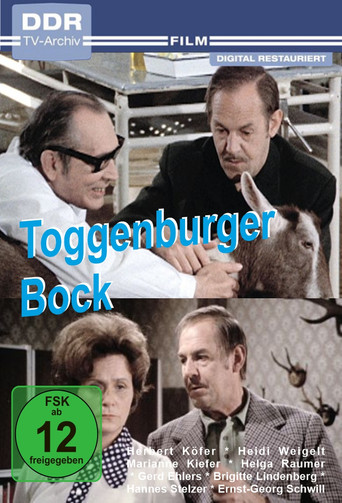
Toggenburger Bock
His passion for hunting almost spells doom for the sales manager of a GDR convenience store: his ambition to shoot a big buck just before the start of the closed season leads him to fall for a joke played by his son. He has tied horns to a prize-winning breeding goat, leading the hunter on the wrong track. While he tries to cover up the incident, there is a great deal of excitement in the village; resentment and schadenfreude arise, intrigues are played out and village gossip makes the rounds.
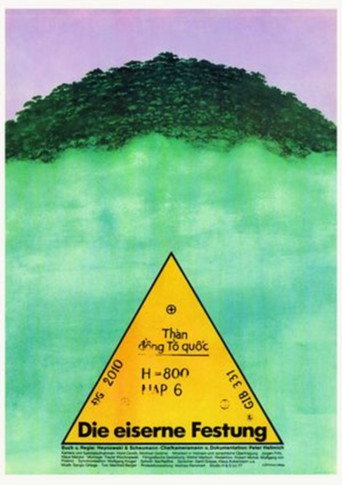
The Iron Fortress
Weeks after the victory in Vietnam, first pictures of a new humanity are captured: old and sick people preparing for their future, children on their way to school.
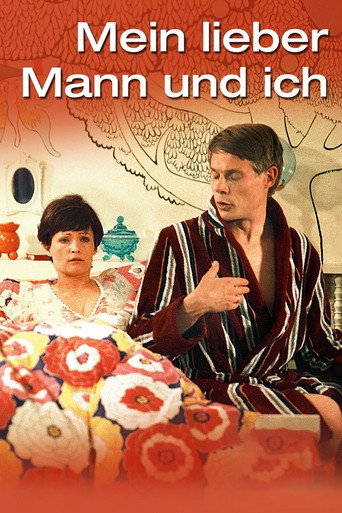
Mein lieber Mann und ich
For her husband, who has become famous as an actor, Angelika is the go-to girl. For years, she stands in his shadow. The only things they do together are premiere parties and receptions. Angelika, who is becoming increasingly frustrated, finally wants a satisfying occupation with which she can gain recognition. But this is where the problems really begin for the couple.
Orpheus steigt herab
In the Jim-Crow South, Val Xavier is a bass-playing drifter who retains a wild, compassionate spirit amid neon-lit decay. Nicknamed “Snake Skin” for his animal-hide jacket, Val seeks to shed the emptiness of wealthy nightclubs and, after turning thirty, yearns for a modest, purposeful life grounded in honest work.
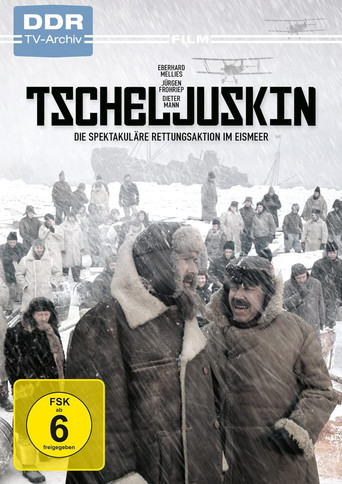
Tscheljuskin
In the 1930s, the Soviet ship "Chelyuskin" embarked on an expedition to the Northern Ocean. But soon there is an accident in the ice and the team can save themselves on an ice floe. Two months, the over one hundred people have to persevere there until rescue from the air finally approaches.
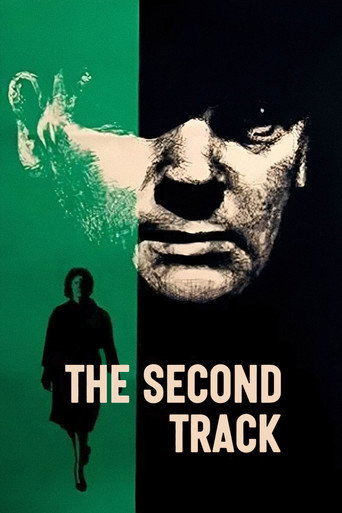
The Second Track
In this German drama, Brock, a railroad inspector, witnesses a robbery at a train depot. He recognizes the thief, but turning the man in would mean acknowledging he knows him, thus revealing his own complicity with the Nazi war machine. When Brock’s daughter and her boyfriend begin to question him about the incident, will the secret he’s kept for nearly 20 years finally be exposed?
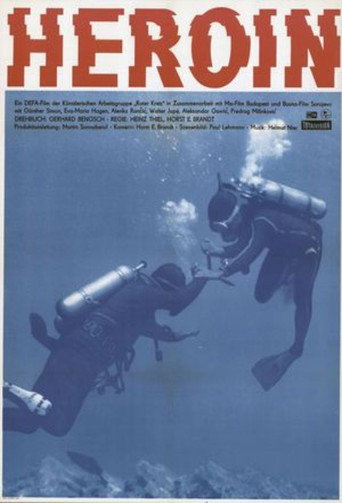
Heroin
This East German movie was co-produced with studios in Hungary and Yugoslavia, with many interesting location shots (border checkpoint to West Berlin, the Gellert bath in Budapest, and more). The plot is about French drug dealers, who obtain heroin somewhere in the Middle East, and smuggle it in several steps to East Berlin, and from there to France (or so it appears), killing when necessary. The hero is an officer of East German customs, who with detective work, some masquerade, and occasional violent action ultimately unravels the whole network, of course with the support of the local customs departments.
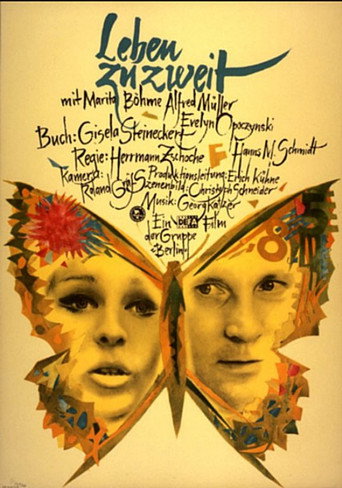
Leben zu zweit
Karin, who is in her mid-thirties, works as registrar but has been divorced for several years. Together with her 16-year old daughter Nora, she leads a happy and independent life. Then, she finds a new partner in the mathematician Peter, but does not tell her daughter about him. When Peter proposes marriage, Karin always comes up with new excuses why such a step is still too early for her. She mainly fears that Nora would not be able to cope with another marriage of her mother. But when Peter cannot be dissuaded anymore by her excuses and finally wants to marry her, Karin comes up with a bizarre plan.
Sommerwege
In the late summer of 1958, party secretary Ernst Wollni is sent from Berlin to the village of Schwarzwalde to help set up an agricultural cooperative. In the village he meets his childhood friend Fritz Grimmberger again. Their friendship is put to the test as Grimmberger opposes collectivization. Nevertheless, Wollni manages to motivate the villagers and get the LPG going. Grimmberger, however, ruins himself by going it alone. When his daughter Helga also wants to leave him and study in the city, he realizes his mistake. Grimmberger and Wollni reconcile at the village festival.