Acting
No biography available.
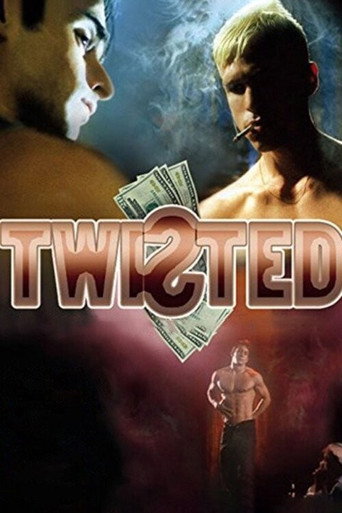
This retelling of Charles Dickens's Oliver Twist may be populated by drug pushers, pimps and prostitutes, but the book's classic themes remain the same. Caught under the thumb of a lecherous brothel owner, 10-year-old Lee befriends an aspiring musician named Angel who helps him escape his servitude and sends a maternal drag queen to vanquish the boy's enemies.
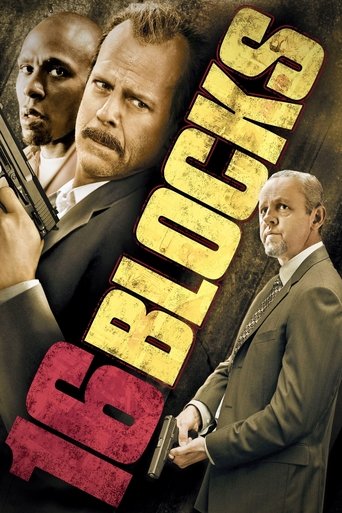
An aging cop is assigned the ordinary task of escorting a fast-talking witness from police custody to a courthouse, but they find themselves running the gauntlet as other forces try to prevent them from getting there.
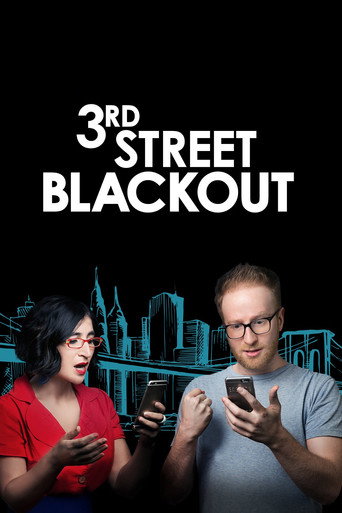
A technology-obsessed couple is forced to examine their relationship during a blackout
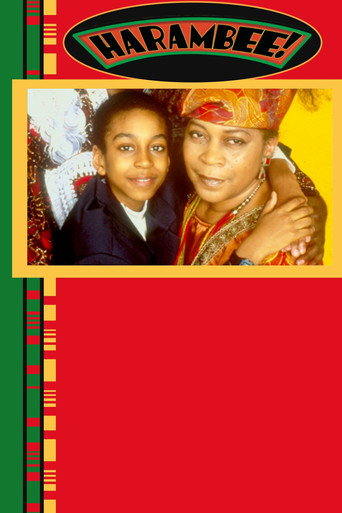
During a Kwanzaa celebration, a recovering drug addict who now counsels drug users inspires the residents of a Brooklyn housing project to apply the principles of the holiday to combat violence in their neighborhood.
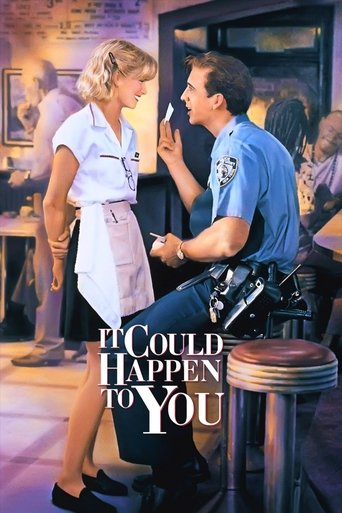
Charlie Lang is a simple, kindhearted New York City cop. When he realizes he has no money to tip waitress Yvonne Biasi, Lang offers her half the winnings of his lottery ticket. Amazingly, the ticket happens to be a winner, in the sum of $4 million. True to his word, Lang proceeds to share the prize money with Biasi, which infuriates his greedy wife, Muriel. Not content with the arrangement, Muriel begins scheming to take all the money.
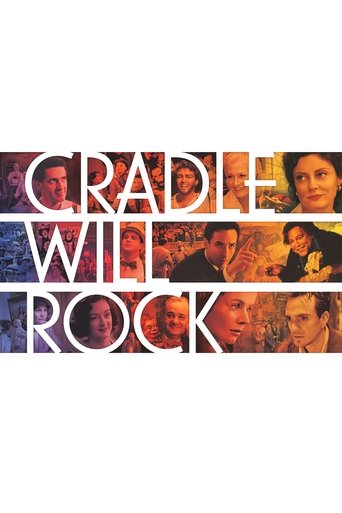
A true story of politics and art in the 1930s USA, centered around a leftist musical drama and attempts to stop its production.
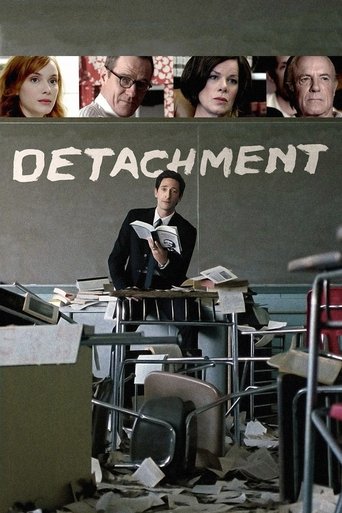
A chronicle of three weeks in the lives of several high school teachers, administrators and students through the eyes of substitute teacher, Henry Barthes. Henry roams from school to school, imparting modes of knowledge, but never staying long enough to form any semblance of sentient attachment.
Alicia's father abandoned her ten years ago. Now a family wedding presents a chance for her to start a relationship with him.
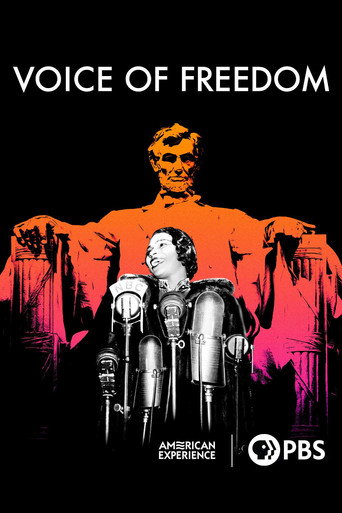
On Easter Sunday, 1939, contralto Marian Anderson stepped up to a microphone in front of the Lincoln Memorial. Inscribed on the walls of the monument behind her were the words “all men are created equal.” Barred from performing in Constitution Hall because of her race, Anderson would sing for the American people in the open air. Hailed as a voice that “comes around once in a hundred years” by maestros in Europe and widely celebrated by both white and black audiences at home, her fame hadn’t been enough to spare her from the indignities and outright violence of racism and segregation.