Boris Yeltsin Movies, TV Shows, and Filmography
Boris Yeltsin
Acting
Biography
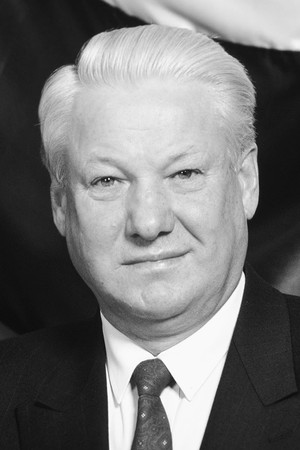
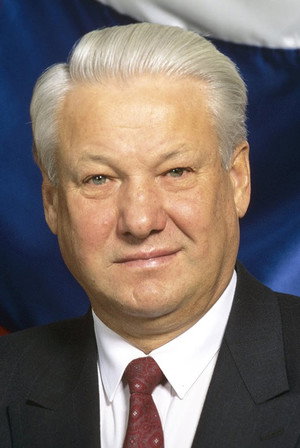
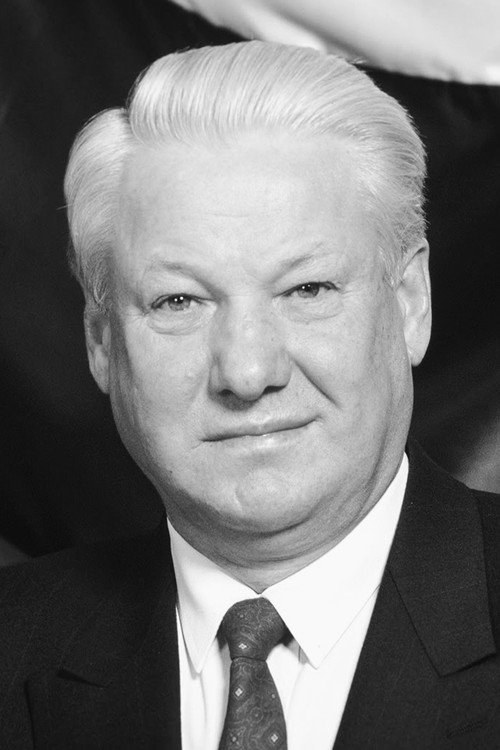
Boris Nikolayevich Yeltsin (Russian: Борис Николаевич Ельцин; 1 February 1931 – 23 April 2007) was a Soviet and Russian politician who served as the first president of Russia from 1991 to 1999. He was a member of the Communist Party of the Soviet Union from 1961 to 1990. He later stood as a political independent, during which time he was viewed as being ideologically aligned with liberalism and Russian nationalism. Yeltsin was born in Butka, Ural Oblast. He grew up in Kazan and Berezniki. After studying at the Ural State Technical University, he worked in construction. After joining the Communist Party, he rose through its ranks, and in 1976 he became First Secretary of the party's Sverdlovsk Oblast committee. Yeltsin was initially a supporter of the perestroika reforms of Soviet leader Mikhail Gorbachev. He later criticized the reforms as being too moderate, and called for a transition to a multi-party representative democracy. In 1987 he was the first person to resign from the Politburo of the Communist Party of the Soviet Union, which established his popularity as an anti-establishment figure. In 1990, he was elected chair of the Russian Supreme Soviet and in 1991 was elected president of the Russian Soviet Federative Socialist Republic (RSFSR), becoming the first popularly-elected head of state in Russian history. Yeltsin allied with various non-Russian nationalist leaders, and was instrumental in the formal dissolution of the Soviet Union in December of that year. With the dissolution of the Soviet Union, the RSFSR became the Russian Federation, an independent state. Through that transition, Yeltsin remained in office as president. He was later reelected in the 1996 election, which was claimed by critics to be pervasively corrupt. Yeltsin transformed Russia's command economy into a capitalist market economy by implementing economic shock therapy, market exchange rate of the ruble, nationwide privatization, and lifting of price controls. Economic downturn, volatility and inflation ensued. Amid the economic shift, a small number of oligarchs obtained a majority of the national property and wealth, while international monopolies came to dominate the market. A constitutional crisis emerged in 1993 after Yeltsin ordered the unconstitutional dissolution of the Russian parliament, leading parliament to impeach him. The crisis ended after troops loyal to Yeltsin stormed the parliament building and stopped an armed uprising; he then introduced a new constitution which significantly expanded the powers of the president. Secessionist sentiment in the Russian Caucasus led to the First Chechen War, War of Dagestan, and Second Chechen War between 1994 and 1999. Internationally, Yeltsin promoted renewed collaboration with Europe and signed arms control agreements with the United States. Amid growing internal pressure, he resigned by the end of 1999 and was succeeded as president by his chosen successor, Vladimir Putin, whom he had appointed prime minister a few months earlier. He kept a low profile after leaving office and was accorded a state funeral upon his death in 2007. ... Source: Article "Boris Yeltsin" from Wikipedia in English, licensed under CC-BY-SA 3.0.
Filmography Movies
Acting
In the Grip of Gazprom
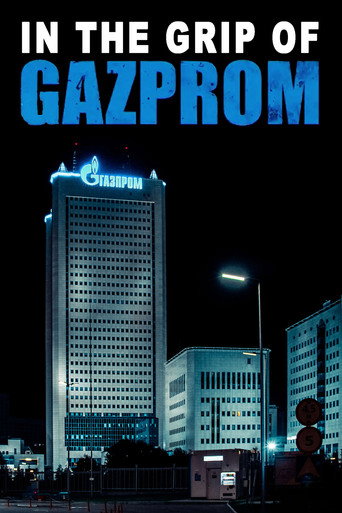
The war in the Ukraine has changed the way many European countries view Russian politics. Suddenly it became clear how dependent countries had become on Russian gas imports for decades and what Vladimir Putin was up to. However, no country needs more gas than Germany. It was only after Russia's invasion of the Ukraine that the German government realized that Russia had long used gas as a weapon to impose its will on states. The instrument created for this purpose is the natural gas production company GAZPROM. So how did Germany become so dependent on Russian gas? The documentary shows how, over several decades and several changes of government, a broad alliance of politicians and business representatives did everything possible to secure Germany's energy supply with cheap Russian gas, while the Kremlin's foreign policy became increasingly aggressive and the warnings of experts went unheeded.
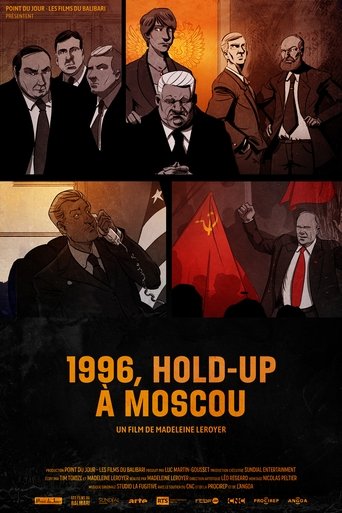
Moscow 1996, Vote or Lose!
Moscow, January 1996. Boris Yeltsin gets ready to run for a second mandate of the presidency of the young Russian Federation. Polls are in the single digits. A painful economic transition, war in Chechnya, and the rise of criminal groups have left the majority of Russians dissatisfied with Yeltsin… and willing to vote for the communist leader Gennady Zyuganov. Yet six months later, Yeltsin won the election with nearly 54% of the vote. How did that happen?
.RU
Documentary montage film by Alexander Vartanov, a subjective look at the beginning of the 21st century in Russia
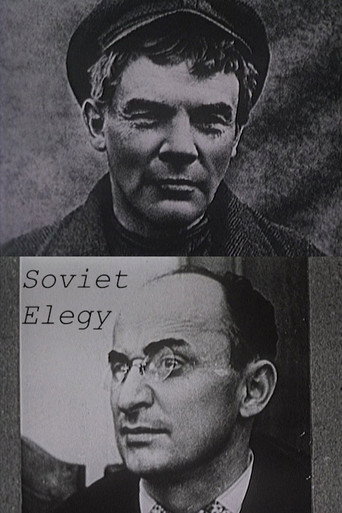
Soviet Elegy
In "The Soviet Elegy" the long train of photos of the Soviet leaders, dead or alive, stops at the portrait of Yeltsin. At the time of shooting Yeltsin had fallen down from the assembly of the Communist Party deities, and participated in the earthly life through connections of different kinds.
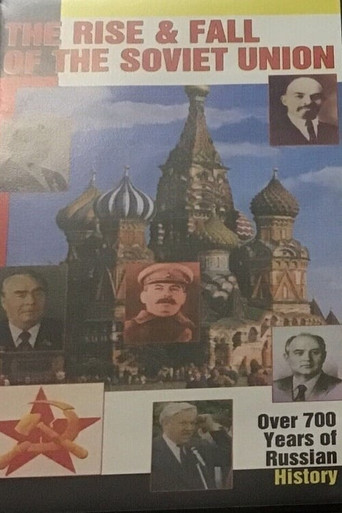
Soviet Union: The Rise and Fall - Part 2
Historic Russian battles to repel invaders serve as prelude to the story of events that redrew the map of Eastern Europe and parts of Asia in the 20th century. Following the turmoil of the Bolshevik Revolution, Communist Russia faces the venom of Nazi aggression. 1940's film footage reveals the harsh reality of total war, as the Red Army and Soviet civilians alike confront a brutal and tenacious enemy. The following decades are darkened by tensions between the USSR and foreign powers, and violent measures taken to silence voices of dissent. Finally, the Soviet people's yearning for a freer society leads to accelerating reforms and the ultimate dissolution of the USSR.
Baltic Storm
A journalist from Berlin, Germany, and a Swedish lawyer discover the truth behind the sinking of the "MS Estonia" in 1994, where more than 850 people drowned.
Salam Aleikum, Ingush people!
Documentary film about ethnic cleansing in the Prigorodny district in October-November 1992.
An Example of Intonation
The second film by Sokurov featuring Boris Yeltsin as the principal character. Now he is the President of Russia, invested with power, bearing the full responsibility for the destinies of his distant compatriots as well as his closest kin and friends.
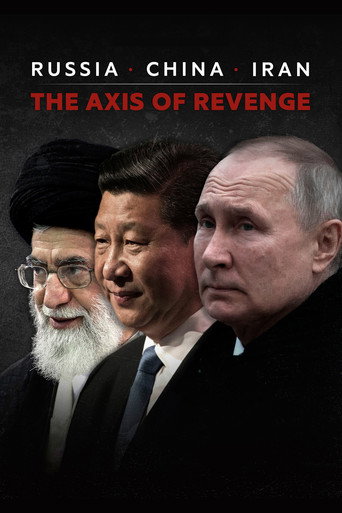
Russia, China, Iran: The Axis of Revenge
Russia, China and Iran: three former empires are determined to take their revenge and reassert their power after centuries of humiliation. Since the start of the war in Ukraine, they have never been so aligned on the international stage. Their common goal: to put an end to Western hegemony, restore their zone of influence and propose a new model of society. To achieve this, they are waging a hybrid war against the democracies: military, technological, economic, informational and ideological. Are they on the verge of joining forces to create a new world order?
Gallery