Acting
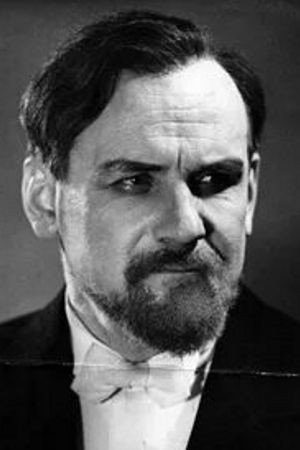
No biography available.
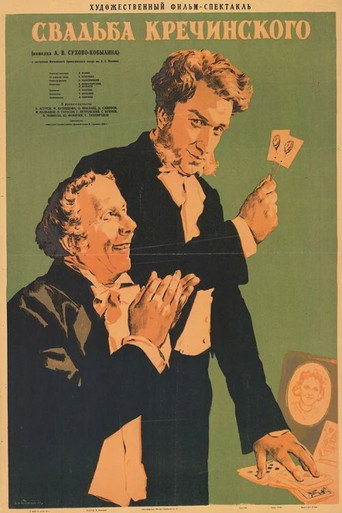
Mikhail Vasilyevich Krechinsky, an avid gambler and cardsharp, loses a large sum of money. Creditors are closing in on him from all sides. The only way out is to marry a rich girl. To get his father's blessing and speed up the wedding, Krechinsky resorts to deception.
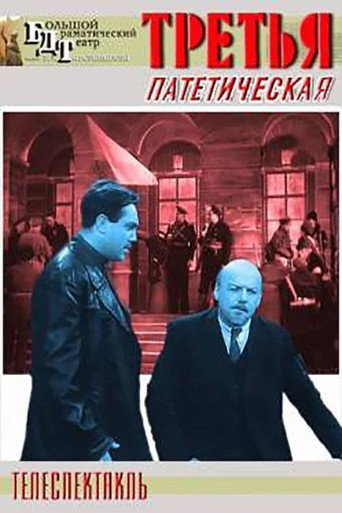
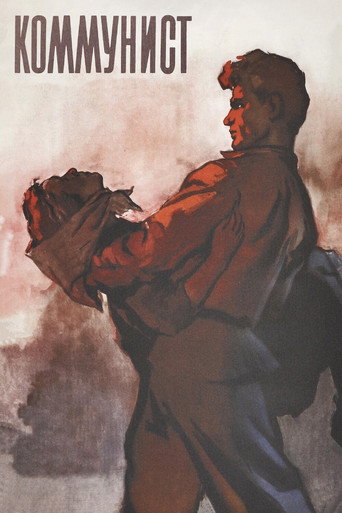
The main character is the chekist Fyodor Dyatlov. He is in love with his friend Hippolytus' sister, the educated, intelligent Irina. At the same time, he harshly pursues the younger brother of Hippolytus and Irina Valerik. He is also a security officer, but in his youth he was tempted by a bribe. Fyodor investigates the case himself and puts Valerik in the hands of higher security officers. His possible happiness with Irina and his friendship with Hippolytus are at stake. But Fyodor is a real fanatic of the communist idea. For the sake of principles, he will do anything.
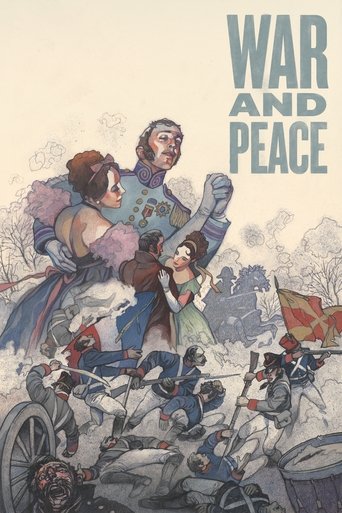
The love story of young Countess Natasha Rostova and Count Pierre Bezukhov is interwoven with the Great Patriotic War of 1812 against Napoleon's invading army.
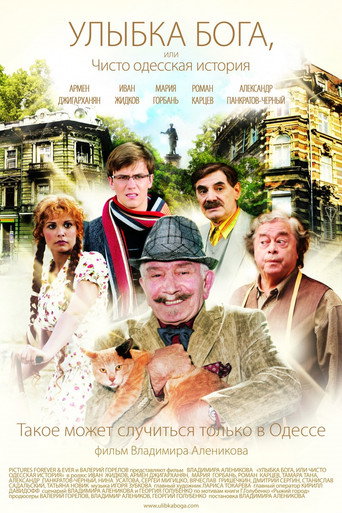
A determined student from Chicago is forced to fulfill the last wish of his ailing grandfather. He has to travel to Odessa, Ukraine, and bring back his grandfather's cat.
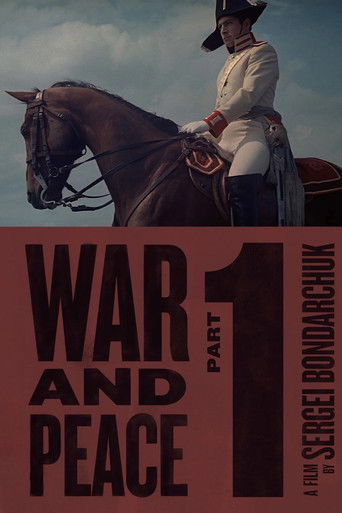
In 1805 St. Petersburg, Pierre Bezukhov, illegitimate son of a rich nobleman, is introduced to high society. His friend, Prince Andrei Bolkonsky, joins the Imperial Russian Army as aide-de-camp of General Mikhail Kutuzov in the War of the Third Coalition against General Napoleon Bonaparte. Part one of the four-part adaptation of Leo Tolstoy's 1869 novel.
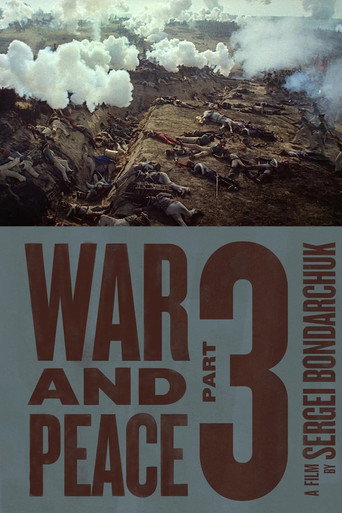
In 1812, as Napoleon's army invades Russia, Kutuzov asks Bolkonsky to join him as a staff officer, yet the prince requests a command in the field. Pierre sets out to watch the armies' impending confrontation. As the Battle of Borodino rages, he volunteers to assist in an artillery battery. Part three of the four-part adaptation of Leo Tolstoy's 1869 novel.
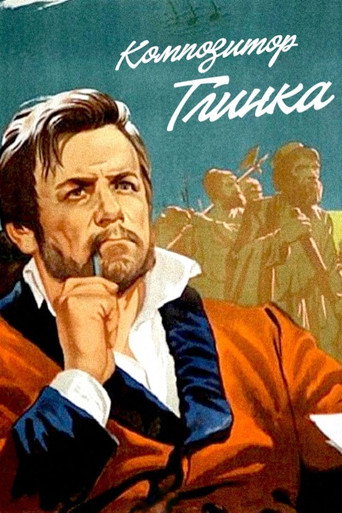
The young composer Mikhail Glinka performs his new work at a soiree at earl Vielgorsky's house. However, the public is accustomed to Western music, and reacts coldly to the creation of the composer. This makes him very sad, but soon he decides to go learn the art of music in Italy. After returning from Italy, he is full of desire to write national Russian opera. Vasily Zhukovsky proposes a subject: a feat of Ivan Susanin. Tsar Nicholas I change the name of the opera to A Life for the Tsar and assigns a librettist - Baron Rosen. Acquaintance with the future co-author shocked Glinka: Rosen speaks Russian with a noticeable German accent. The premiere was successful, but Glinka was still not entirely happy with the libretto: "False words were written by Rosen". When Nicholas I learned that Ruslan and Lyudmila was written on Pushkin's subject, he sees it as sedition. The bitter experience of the composer brighten his supporters.
A young ordinary communist, Vasiliy Gubanov, was among many who took part in the construction of the most important facility for the young republic, the power plant. He did his job in a way that was beyond human ability. He could love, too, with a passion and a passion for self, but his life was cut short very early.
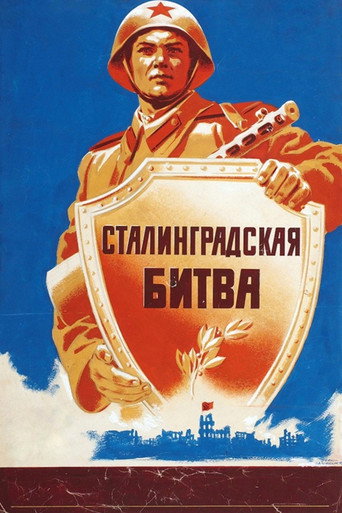
A 1949 two-part Soviet epic war film about the Battle of Stalingrad, directed by Vladimir Petrov. The script was written by Nikolai Virta.
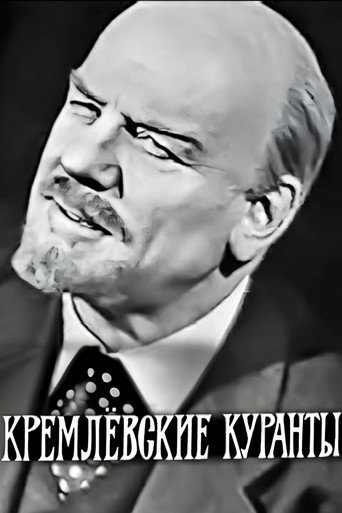
Performance of the Gorky Moscow Art Theater based on the play by N. Pogodin.