Acting
No biography available.
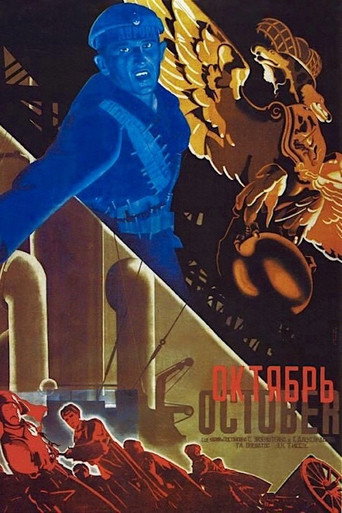
Sergei M. Eisenstein's docu-drama about the 1917 October Revolution in Russia. Made ten years after the events and edited in Eisenstein's 'Soviet Montage' style, it re-enacts in celebratory terms several key scenes from the revolution.
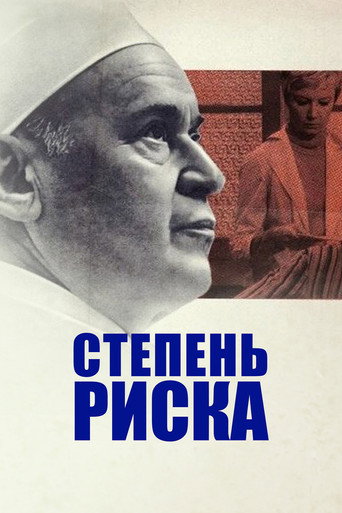
A drama based on the daily life of a hospital and its doctors.
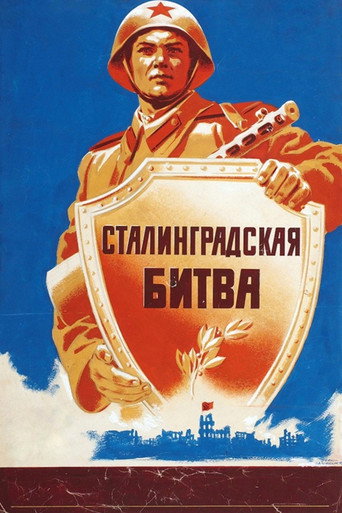
A 1949 two-part Soviet epic war film about the Battle of Stalingrad, directed by Vladimir Petrov. The script was written by Nikolai Virta.
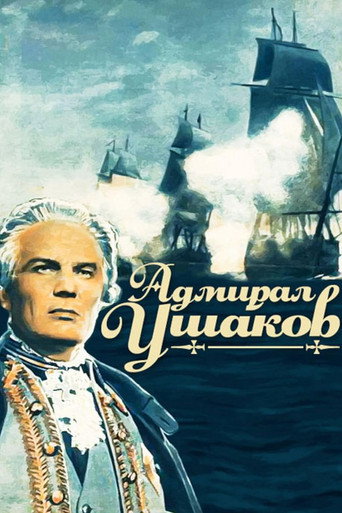
Historical epic about the legendary Russian naval commander of the 18th century, admiral Fyodor Ushakov, and his fight for Crimea during the Russo-Turkish War.
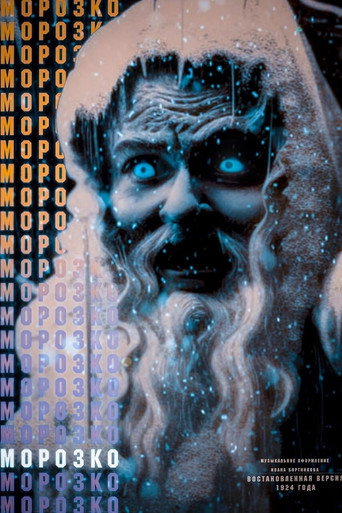
Based on the Russian fairy tale Father Frost.
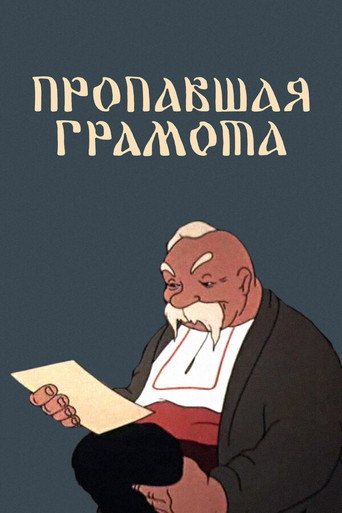
The first Soviet cel-animated feature film, based on the story with the same name by Nikolai Gogol. A messenger is tasked with delivering a letter to the Tsarina, which he tucks into his hat for safekeeping on the road. While resting at night, a band of demons steals the hat, and he must travel to Hell to retrieve it.
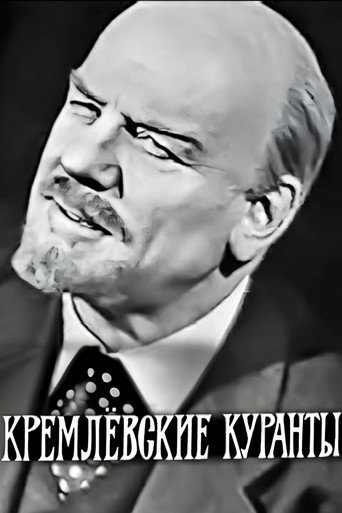
Performance of the Gorky Moscow Art Theater based on the play by N. Pogodin.
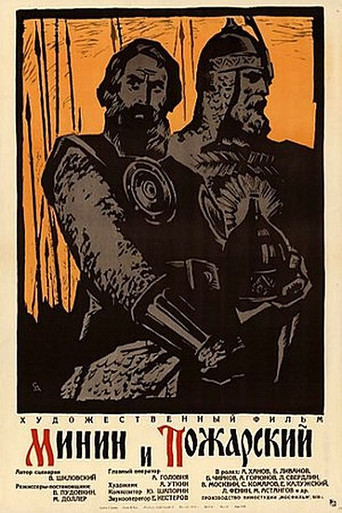
Historical film about the invasion of the Poles in the Moscow Empire (1611), the creation of Minin and Pozharsky people's militia. The beginning of the XVII century. Already the sixth year the Muscovite land under the yoke of intervention. In the fall of 1610 Polish pans in deceitfully seized the Kremlin and tried to break through to the north. Everywhere rebellions broke out, but well-armed interventionists smashed the scattered peasant detachments. The liberation movement was led by Nizhny Novgorod merchant Kuzma and Prince Dmitry Pozharsky.
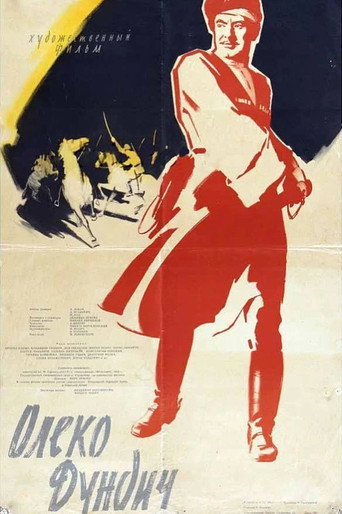
Life and times of Aleksa Dundic, a volunteer in the Serb army during WW1, who later became a legend by fighting for the Red Army in the Russian Civil War.
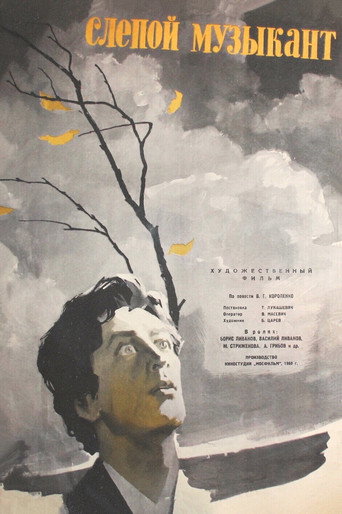
In the wealthy noble family of Popelsky, the only son Petrik is blind from birth. His mother Anna Mikhailovna, infinitely loving and pitying the boy, educates him as a rare fragile flower. And only Uncle Maxim, who fought under the banner of Garibaldi in his youth, is trying to accustom the boy to independence. The boy begins to recognize the world by touch, and one day his fingers find the keys of a piano. But, still not knowing the price of his talent, he leaves with the tramps "to seek the truth." And now only love can reconcile him with the world of the sighted.
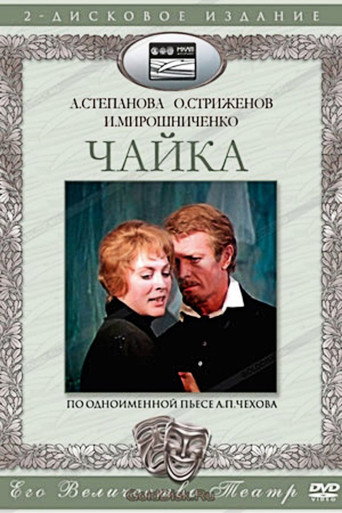
A staging of the play by Anton Chekhov at the Moscow Academic Art Theatre.