Directing
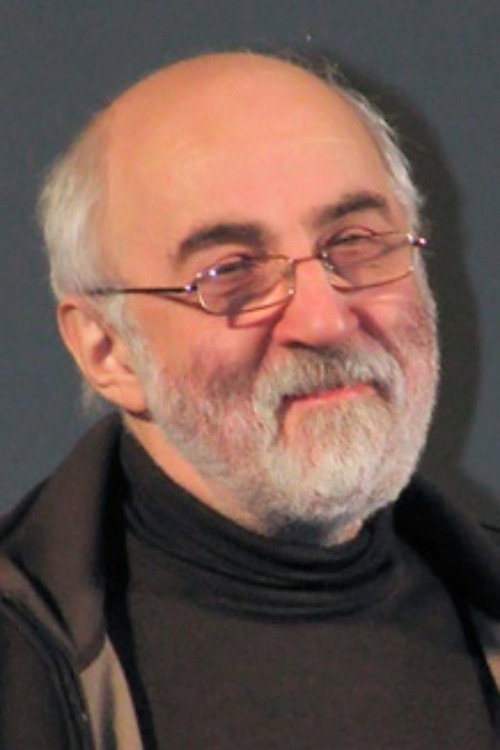
Boris Yakovlevich Karadzhev (Rabinovich) (born 1948; Perm) is a Soviet and Russian documentary film director and screenwriter.
The film was conceived as a story about the history of the Gogol Center Theater and the case of Kirill Serebrennikov. But the circumstances were different. This is a film about a film that could not be made.
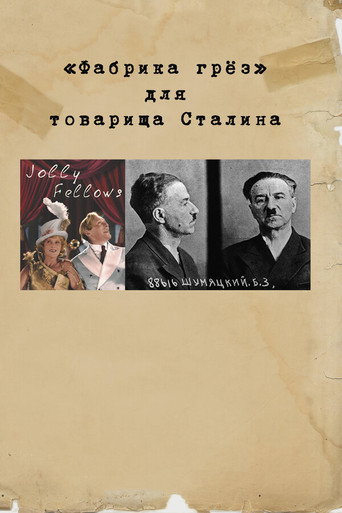
A documentary study of the circumstances and course of the drama that played out in the second half of the 30s around the project of creating "Soviet Hollywood" in the USSR - the center of the film industry in the image and likeness of the American "dream factory". Dramas in which human characters, ideological conflicts, and the spirit of the era were vividly manifested…
The main characters are famous Russian clowns who became great jesters (or are they heroes?) of their time who not only entertained the audience, but also often had the audacity to speak the truth while laughing.
About life and artistic path of the Ural poet Alexey Reshetov (1937-2002), a man of unique destiny and unique talent. For most of his adult life, he worked as an electrician at one of the potash mines in the city of Berezniki. There he began to write poetry and gradually publish, first in local newspapers, then in Perm and Yekaterinburg. He never lived to fame in the capitals and great regalia but managed to have a strong influence on the spiritual formation of several generations of his readers.
About the tragic fate of the German teenager Hubert Loste, who by the will of circumstances came to the USSR in the era of the "great construction projects" and the "great terror".
In 1992, during the Georgian-Abkhaz conflict, the famous Sukhumi Monkey Nursery found itself in the epicenter of military events. The fighting took place not only on the neighboring streets of Sukhumi, but also directly on the territory of the nursery. Some of the monkeys were transported by the staff to Russia to the institute's branch in Adler. Unfortunately, it was not possible to save all the primates. Hundreds of monkeys died, unable to endure cold, hunger, stress... The story of the monkey nursery from Sukhumi is not only another drama of the collision of the human world and the natural world. This is a fairly accurate reflection of what is happening to the human community itself in the so-called "hot spots".
The writer Sergey Kaledin gained fame and popularity at the dawn of perestroika. His stories "The Humble Cemetery" and "Stroybat" became real bestsellers, were translated and published in many countries of the world. But a few years ago, Sergey realized that he had already realized all his literary plans, and he did not want to write just to confirm his status as a writer. And on the advice of his friend Lyudmila Ulitskaya, Sergei decides to go to work in a children's educational colony...
Mountains of books and many films have been written about the Yalta Conference – the meeting of Stalin, Roosevelt and Churchill, which took place in February 1945 and determined the fate of the post-war world. It would seem that everything has been known about these events for a long time. But only relatively recently, thanks to the research of the famous Russian historian William Pokhlebkin, we became aware of the details of a grandiose "culinary" action – a series of banquets that accompanied the negotiations of the allies in the devastated Crimea that difficult, still military winter. For obvious reasons, these feasts could not get into the field of view of the newsreelers of that time. But ... miraculously preserved materials give us the opportunity to feel their scale and specific atmosphere. No one says to see. And no one claims that the materials are documentary.
The famous English science fiction writer H. G. Wells came to our country three times. The first time was 100 years ago, in 1914. Then in 1920 and 1934... And each time a different Russia opened up before him, completely different from the one he had seen during his previous trip...
At the turn of the millennium, Viktor Pelevin became perhaps the most fashionable, popular and commercially successful writer in Russia. At the same time, he does not appear in public, does not give interviews, wears dark glasses, and does not like to be recognized on the street. Who is this mysterious Mr. Pelevin? How did it happen that the most honorable title for a Russian writer – "the ruler of thoughts" - turned out to be applicable to him today? And how was he able to keep his "incognito" at the same time? All this is reflected in the film by people who knew our elusive hero well at different periods of his life – his classmates and teachers, friends of his youth and fellow writers, critics and publishers