Acting
No biography available.
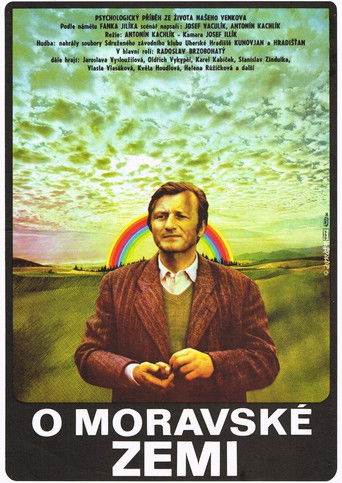
The reason for making this film is clear: it was to cover up Vojtěch Jasný's famous chronicle "All the Good Natives", an account of the tragic consequences of forced collectivisation. The pro-regime director Antonín Kachlík also focuses on the socialisation of the Moravian village, accompanied by mistakes and coercion, but in his optimistic view he emphasises the hopeful prospects leading to a happy future. Although the united village lands were born in pain, they will serve for the benefit of all the working people... As with Jasný, Radek Brzobohatý embodies the stubborn peasant, who is only slowly acknowledging the benefits of communal farming. However, unlike the poetic exuberance and pithiness of Jasný's chronicle, here we encounter a vicious posturing.
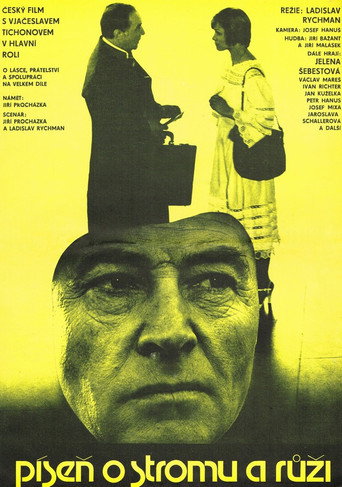
Soviet engineer Kuznecov is coming to Prague as an expert on work with the tunneling shield in construction of the metro. He is returning after more than thirty years. In May 1945 as a young soldier in the Red Army he was seriously injured in the liberation of Prague and while recovering experienced a great love with a young teacher called Vera.
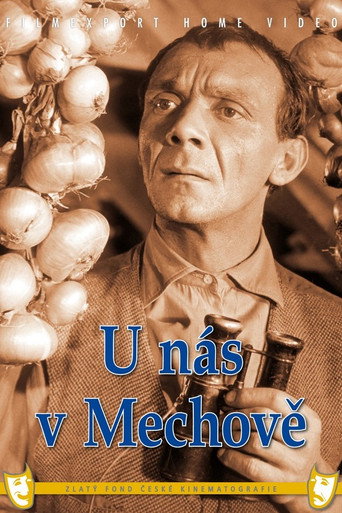
A rumour that a large holiday resort is supposedly being built on the banks of the local pond causes confusion among the villagers.
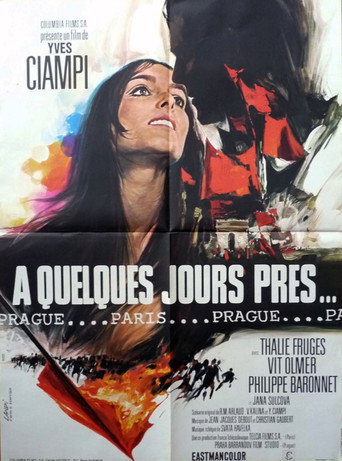
Françoise, a French sociology student, moves to Czechoslovakia to write her thesis. She falls in love with Pavel, a professor. But the events of the "Prague Spring" begin and Pavel decides to collaborate. Françoise returns to France and meets up with her militant friends on the eve of the events of May 68 in Paris.
Those who take too long to choose their life partner usually take too long - so goes the old saying. Even a long indecisive girl, who is looking in vain for someone who would fully impress her, is convinced of its truth...
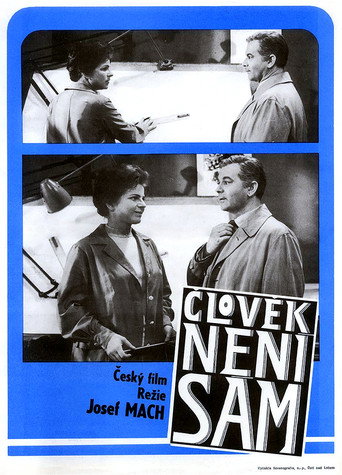
A dedicated chairwoman of the Communist Party of Czechoslovakia in cooperation with a StB major clears a politically immature researcher of the charge of aiding subversives...
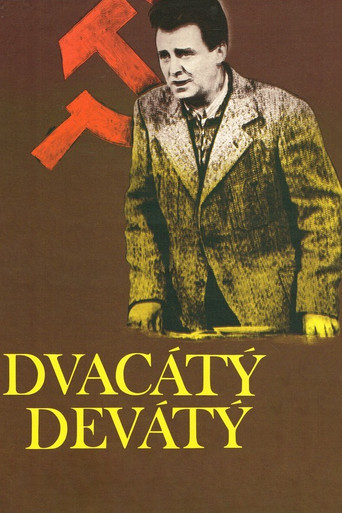
In the era of normalisation, a number of (pseudo)historical films were made, even described as reconstructions, which glorified the world-building mission of the Communist Party and attributed to it exclusively humanitarian intentions ("Days of Betrayal", "Sokolovo", "Liberation of Prague", "The Victorious People"). In 1929, when its fifth congress met, Klement Gottwald, who had taken the line of the Russian Bolsheviks, took over the leadership of the Communists...