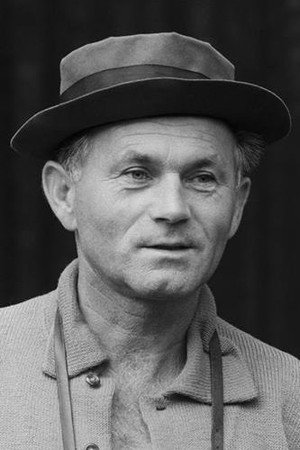
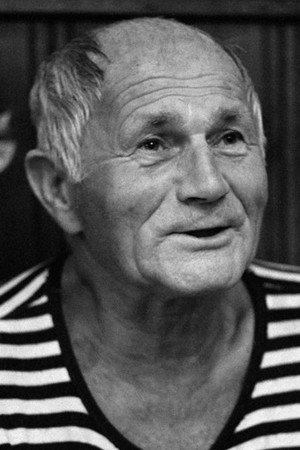
Bohumil Hrabal Movies, TV Shows, and Filmography
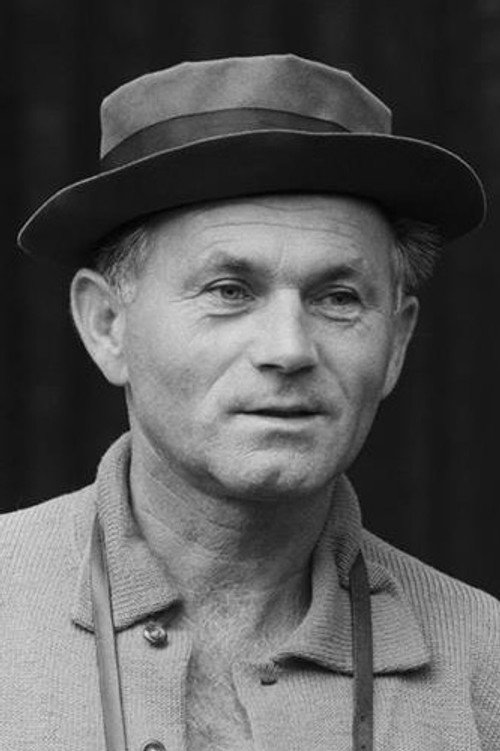
Bohumil Hrabal
Writing
Biography
Filmography Movies
Acting
MOVIE
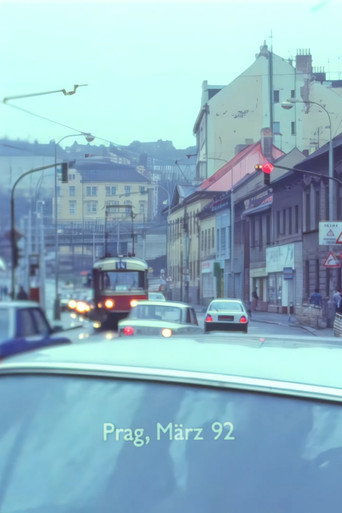
Prague, March ’92
6.0(0.0K)
Prague, March ’92
MOVIE
A Boring Afternoon
6.8(0.0K)
A Boring Afternoon
MOVIE
Pearls of the Deep
5.9(0.0K)
Pearls of the Deep
Bohumil Hrabal (segment "Automat Svět")
MOVIE
Pearls of the Deep
5.9(0.0K)
Pearls of the Deep
Sleeping Man in a Tram (segment "Romance")
MOVIE
Pearls of the Deep
5.9(0.0K)
Pearls of the Deep
Spectator (segment "Smrt pana Baltazara")
MOVIE
Pearls of the Deep
5.9(0.0K)
Pearls of the Deep
Man by the House (segment "Podvodníci")
MOVIE
Too Loud A Solitude
8.0(0.0K)
Too Loud A Solitude
Man with Trolley
MOVIE
Bohumil Hrabal „Takže se stalo, že...“
self
Dr. HrabalMOVIE
MOVIE
Dr. Hrabal
Not rated yet
Dr. Hrabal
Košatý strom plný pozorných očíMOVIE
MOVIE
Košatý strom plný pozorných očí
Production
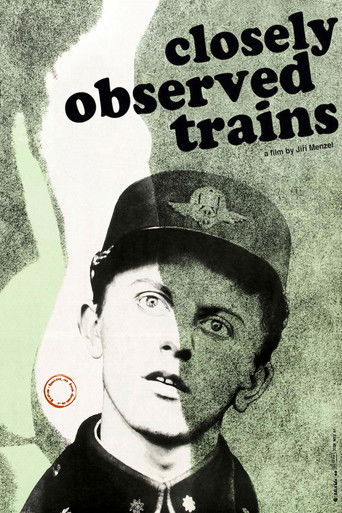
MOVIE
Closely Watched Trains
7.2(0.3K)
Closely Watched Trains
Novel
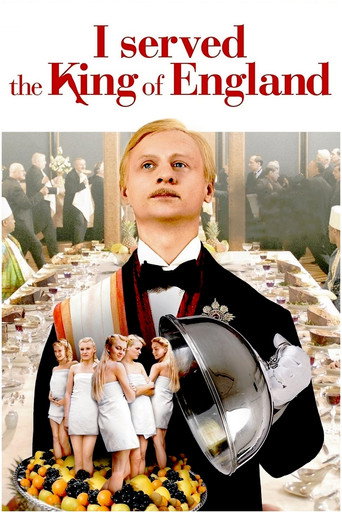
MOVIE
I Served the King of England
6.8(0.1K)
I Served the King of England
Novel
MOVIE
Pearls of the Deep
5.9(0.0K)
Pearls of the Deep
Screenplay
MOVIE
Pearls of the Deep
5.9(0.0K)
Pearls of the Deep
Book
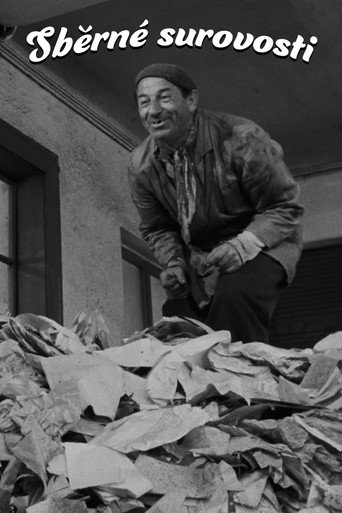
MOVIE
The Junk Shop
6.7(0.0K)
The Junk Shop
Short Story
MOVIE
Closely Watched Trains
7.2(0.3K)
Closely Watched Trains
Screenplay
MOVIE
The Junk Shop
6.7(0.0K)
The Junk Shop
Screenplay
Too Loud a SolitudeMOVIE
MOVIE
Too Loud a Solitude
4.7(0.0K)
Too Loud a Solitude
Writer
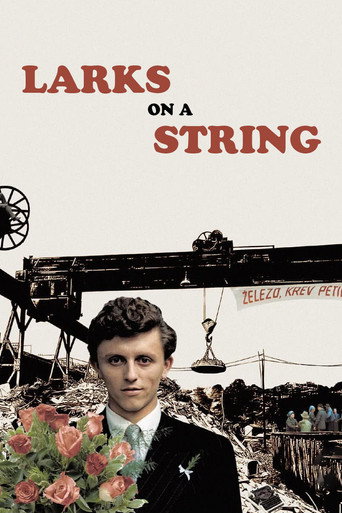
MOVIE
Larks on a String
6.9(0.0K)
Larks on a String
Short Story
MOVIE
Larks on a String
6.9(0.0K)
Larks on a String
Screenplay
Gallery