Acting
No biography available.
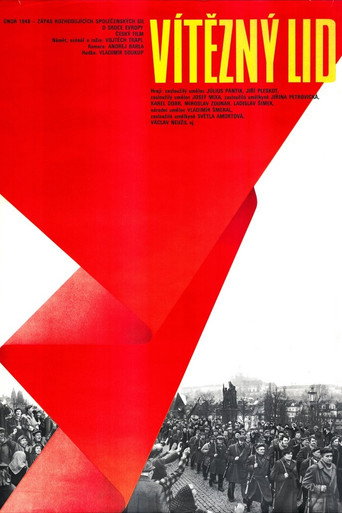
February 1948. The struggle of decisive social forces for the heart of Europe.
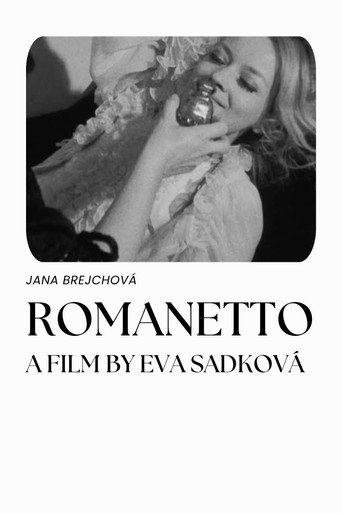
An ambitious girl is hired by a group of thieves as a maid in the apartment of a famous actress. The thieves thus prepare the ground for a sophisticated robbery of rare furs and jewels. The girl is tyrannized by the actress and gradually looks behind the scenes of her marriage. After Blanche is murdered, Julie decides to get everything - jewels, furs and property...
The charming Indian girl Madeline is the wife of the gold digger Charlie, called the King. While they were in the wilderness, his wife was very suitable for him. But now he is selling the land and wants to run a big house. So he needs a woman to represent him. His favorite becomes Freda, a girl from the local dance hall. Madeline is taken in by the Malemute Kid, Jack Harrington and Stanley Perry, who give her lessons in singing, dancing and social behavior. Madeline soon surpasses "her rivals" with her natural intelligence and charm...
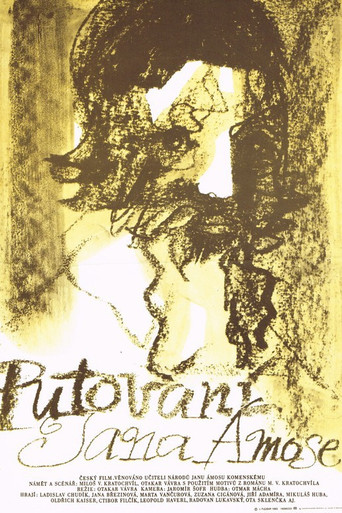
The distressing fate of the Czech great Jan Amos Komenský, forced to leave his homeland after the White Mountain disaster. It depicts his encounters with various European personalities of the 17th century - the Queen of Sweden, artists and scientists. It emphasises the hero's nobility, but also his inner resilience, which allowed him to overcome many personal and professional tragedies. The parable of The Labyrinth of the World and the Paradise of the Heart becomes part of the story. However, Comenius's concept is sculpturally lifeless and, in particular, the religious dimension is "erased" from it. The simplistic biography therefore does not avoid schoolboyish dryness.
An aristocratic woman suffers a severe nervous breakdown and is subsequently institutionalized following a disastrous infidelity. She descends into madness while grappling with intense psychological torment and the fallout of her social and personal life.
A section of the life of George of Poděbrady from his coronation to his death (1458–1471), creating a portrait of a remarkable monarch whose name shone as a symbol of Czech statehood, as a symbol of a victorious military leader and a prudent statesman; a powerful, complex and contradictory personality in the midst of a very dramatic fifteenth century. During thirteen years of independent rule, he wanted to defend with all his might what had been won by the Hussites; he wanted to defend it even in a time and environment that, on the contrary, wanted to settle accounts with the Hussites. It was during this tense time that Poděbrady's idea of creating an association of monarchs who would resolve conflicts through agreements and treaties, and not through war, arose. Even as a father, he made a sacrifice for his beloved country when he did not hand over the crown of the Czech king to his son, but to the Polish king Vladislav, the "Prince of Peace".