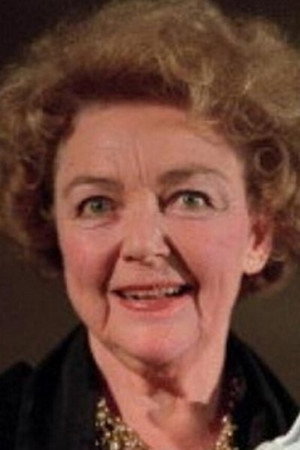
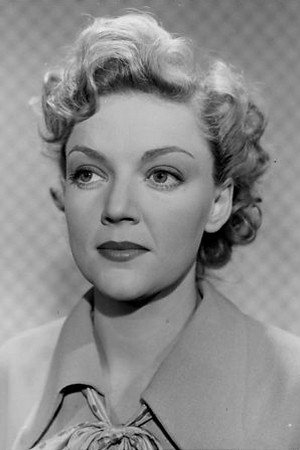
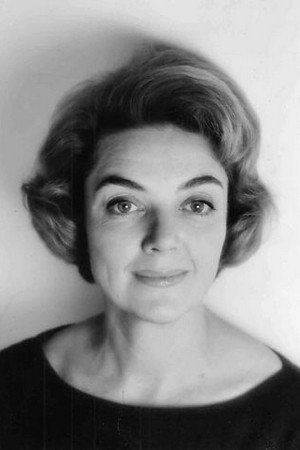
Bodil Kjer Movies, TV Shows, and Filmography
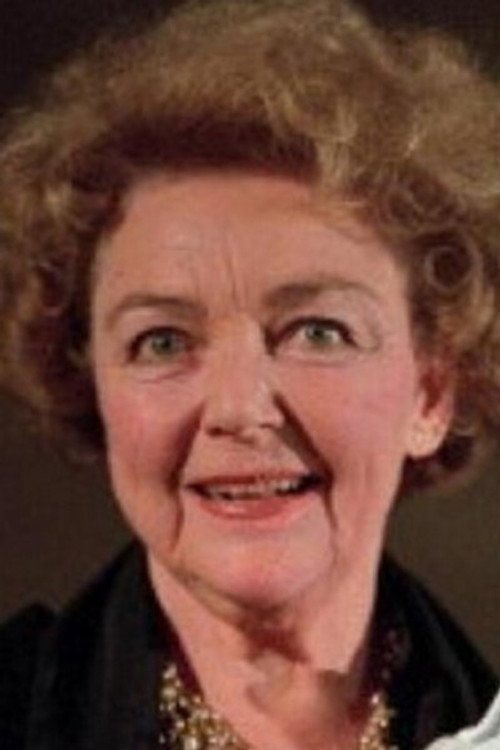
Bodil Kjer
Acting
Biography
Bodil Kjer (2 September 1917 – 1 February 2003) was a Danish actress whose talent and charisma earned her status as a Primadonna and the title of first lady of Danish theater. Kjer's leading roles reflect the span of Denmark's modern cinema: such as the artistic maturity of the war-torn 1940s in Jenny and the Soldier, the light-hearted romance of the 1950s and 1960s in Mød mig på Cassiopeia, the action drama of the 1970s in Strømer, and the modern epic tale in Babette's Feast (1987). Denmark's highest film prize, the Bodil Awards, were named in honor of Kjer and Bodil Ipsen. Kjer twice received her namesake award for Best Actress (1948, 1952) and once for Best Supporting Actress (1977). In 1997, she accepted an honorary Bodil for lifetime achievement.
Filmography Movies
Acting
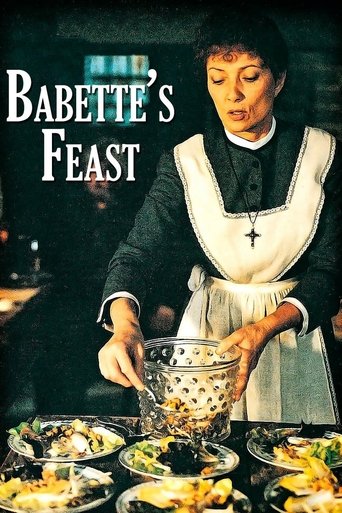
Babette's Feast
A French housekeeper with a mysterious past brings quiet revolution in the form of one exquisite meal to a circle of starkly pious villagers in late 19th century Denmark.
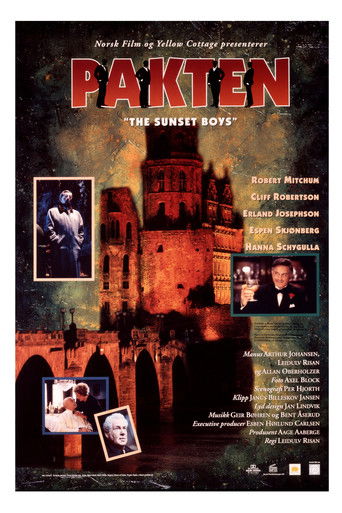
The Sunset Boys
Ernest, Ted and August fulfill their friend Carl's dying wish and take him to Heidelberg, where they all first met 45 years ago, to see his old girlfriend one last time. However, the locals won't talk about her, due to a WW2 secret.
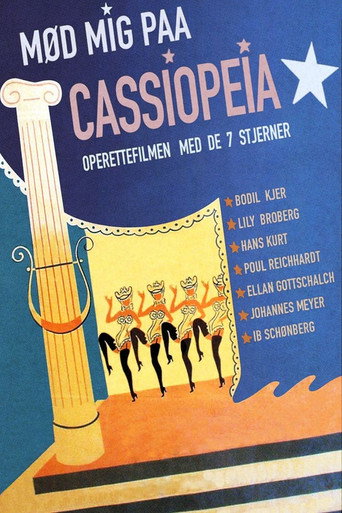
Meet Me on Cassiopeia
Composer John Berger is plagued by marital problems and struggling with a deadline for the music for an operetta. When he is visited by the muse of music, Polyhymnia, the melodies begin to flow, but she also causes a lot of complications in his earthly life. Like John's wife Irene, she falls in love with flight lieutenant Harry, while her father Zeus looks on disapprovingly and decides to intervene. Meanwhile, the premiere of the operetta is fast approaching.

Tag til Rønneby kro
The owner of Rønneby Kro, Bartholdi, is writing his memoirs. When this comes to the ears of prominent citizens, they rush to Rønneby Kro to have the publication stopped. However, Bartholdi is neither a stickler nor a hack. They get help from a lawyer, who only has success when he goes through Bartholdi's grandson.
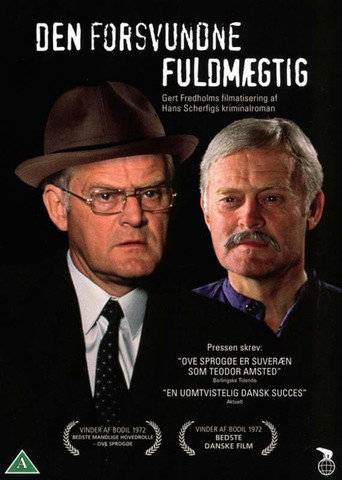
The Missing Clerk
Two men disappear at the same time, with one of them committing suicide using dynamite. The police try to figure out which one died and what happened to the other.

Far skal giftes
The world-distant and absent-minded professor Jacob Jensen lives exclusively for his science and his stamps. He has no idea what is going on around him, in his own home. In the 11 years since his wife died, his capable, wise and lovable housekeeper Karen Frederiksen has, with a loving hand, managed the home for him and his 3 children. The aspiring amateur boxer Oscar and the 2 daughters Else-Margrethe and Birthe. She has shared in the children's sorrows and joys and has often lent them money when they have had dry pocket pains. She has praised and scolded them at the right times - in short, she has been in their mother's place. Both the professor and the children take her for granted. They take her services, big and small, for granted, and do not quite understand what she really means to them.
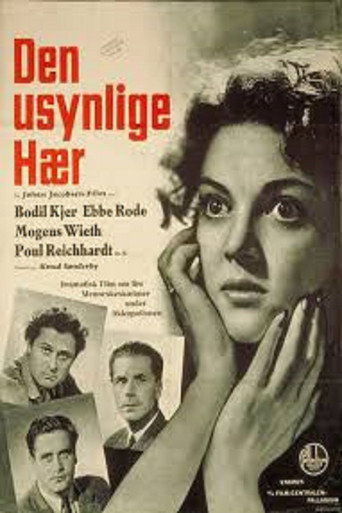
The Invisible Army
Sabotage of a Nazi factory is carried out by the husband of the lover of a resistance leader.

Eight Chords
Eight separate family dramas (uncovering many aspects of deceit) are woven together to the sound of a certain Chopin waltz.
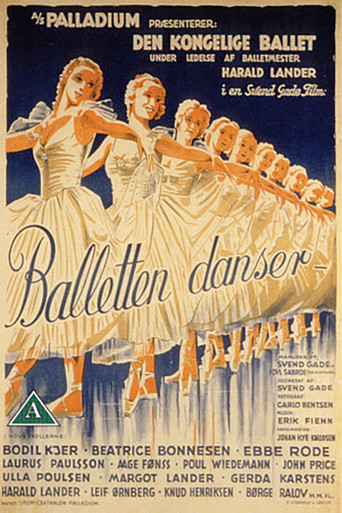
Balletten danser
The painter Jørgen has talent but no luck. His upstairs neighbor is a ballet dancer and may not have much talent, but she does have good luck. Director Bang promises her that he will support her theater if she takes the lead role herself. Else is not particularly enthusiastic about the arrangement and Bang's courtship. Jørgen also has his eye on the beautiful girl, but is too shy to speak out. He's not happy about the development either.
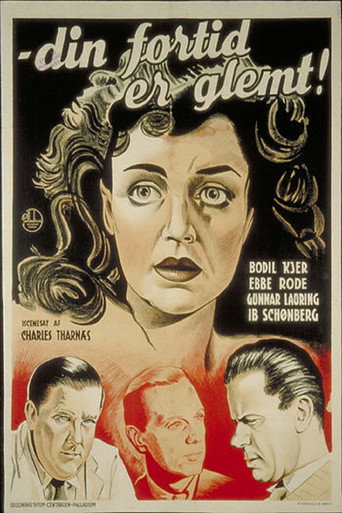
Din fortid er glemt
Paul a young, newlywed writer returns home from abroad with his sweet, young wife, Anna, whom he has met in the South of France. After their honeymoon Poul is looking forward to start his new job as a screenwriter.
Gallery