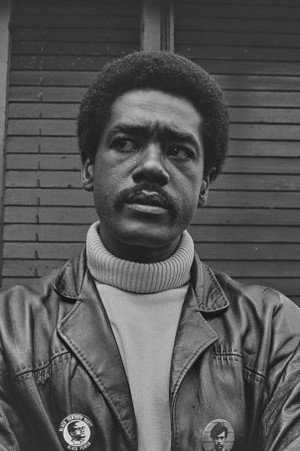
Bobby Seale Movies, TV Shows, and Filmography
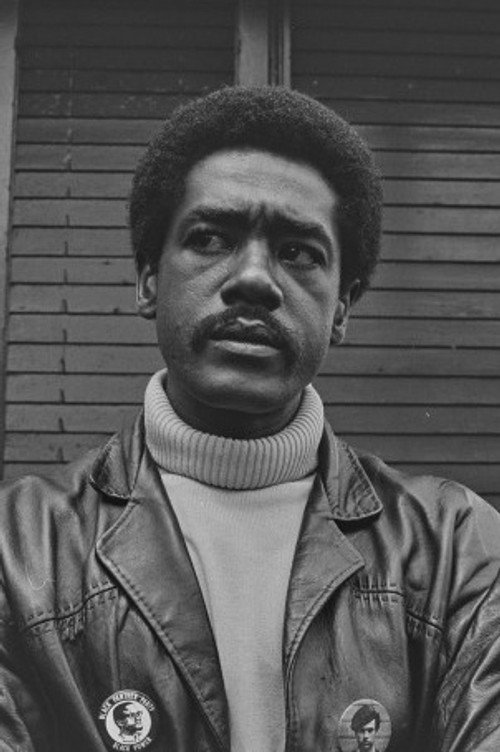
Bobby Seale
Acting
Biography
Robert George Seale (born October 22, 1936) is an American political activist and author. Seale is widely known for co-founding the Black Panther Party with fellow activist Huey P. Newton. Founded as the "Black Panther Party for Self-Defense", the Party's main practice was monitoring police activities and challenging police brutality in Black communities, first in Oakland, California, and later in cities throughout the United States. Seale was one of the eight people charged by the US federal government with conspiracy charges related to anti-Vietnam War protests in Chicago, Illinois, during the 1968 Democratic National Convention. Seale's appearance in the trial was widely publicized and Seale was bound and gagged for his appearances in court more than a month into the trial for what Judge Julius Hoffman said were disruptions. Seale's case was severed from the other defendants, turning the "Chicago Eight" into the "Chicago Seven". After his case was severed, the government declined to retry him on the conspiracy charges. Though he was never convicted in the case, Seale was sentenced by Judge Hoffman to four years for criminal contempt of court. The contempt sentence was reversed on appeal.[5] In 1970, while in prison, Seale was charged and tried as part of the New Haven Black Panther trials over the torture and murder of Alex Rackley, whom the Black Panther Party had suspected of being a police informer. Panther George Sams, Jr., testified that Seale had ordered him to kill Rackley. The jury was unable to reach a verdict in Seale's trial, and the charges were eventually dropped. Seale's books include A Lonely Rage: The Autobiography of Bobby Seale, Seize the Time: The Story of the Black Panther Party and Huey P. Newton, and Power to the People: The World of the Black Panthers (with Stephen Shames). Description above from the Wikipedia article Bobby Seale, licensed under CC-BY-SA, full list of contributors on Wikipedia.
Filmography Movies
Acting
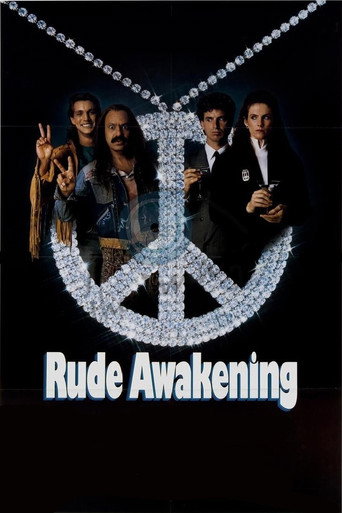
Rude Awakening
In the later 1960s, two hippies are forced to leave their friends as they are wanted by the FBI, who sees them as criminals. They hide in the jungle for 20 years, secluded from the outside world. In the later 1980s, the find out that a secret war is about to start in the US, and decide to return to New York to tell someone about it.
Public Enemy: Reflections of The Black Panthers
A documentary film about The Black Panther Party as told by its four former members.
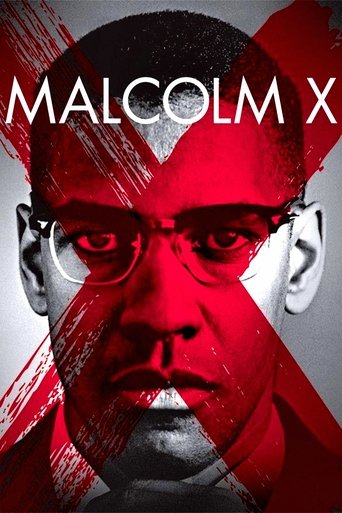
Malcolm X
A tribute to the controversial black activist and leader of the struggle for black liberation. He hit bottom during his imprisonment in the '50s, he became a Black Muslim and then a leader in the Nation of Islam. His assassination in 1965 left a legacy of self-determination and racial pride.
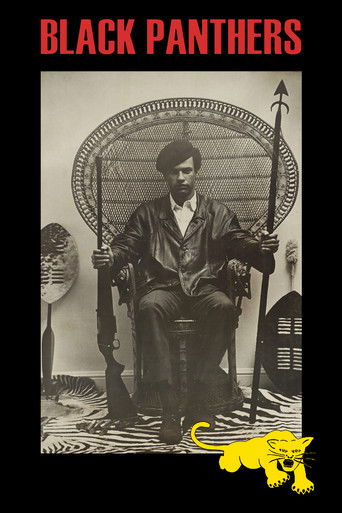
Black Panthers
A film shot during the summer of 1968 in Oakland, California around the meetings organised by the Black Panthers Party to free Huey Newton, one of their leaders, and to turn his trial into a political debate. They tried and succeeded in catching America’s attention.
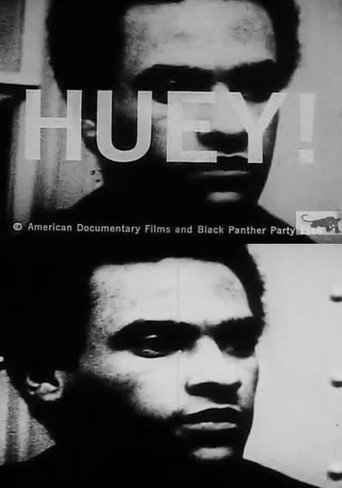
Huey!
Documentary film produced by American Documentary Films and the Black Panther Party from 1968, honoring Huey P. Newton's struggle for African American civil rights, advocating for his release from jail and addressing issues of racism in American society. Features scenes from the funeral of Bobby Hutton and the Huey P. Newton Birthday Rally in the Oakland Auditorium on February 17th 1968, with speeches by: Bobby Seale (who explains the Black Panther Party's 10 Point Program in detail); Ron Dellums; James Foreman; Charles R. Garry; Eldridge Cleaver; Bob Avakian; H. Rap Brown and Stokely Carmichael. Also includes views of police officers showing the weapons and armor they carry in patrol cars and of African Americans discussing racism in American society. This film was scripted and directed by Sally Pugh.
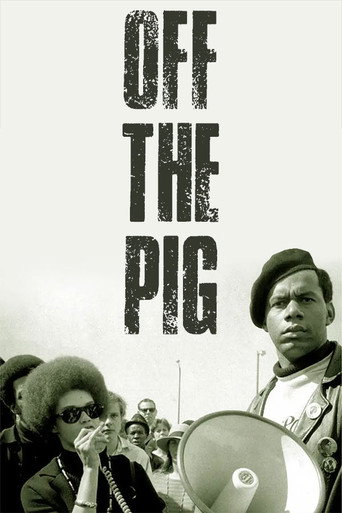
Off the Pig (Newsreel #19)
A compelling document of the Black Panther Party leadership in 1967. This film contains a prison interview with Minister of Defense Huey P. Newton as well as an interview with Minister of Information Eldridge Cleaver, footage of the aftermath of the police assault against the Los Angeles Chapter headquarters, demonstrations to free Huey at Hutton Memorial Park and the Alameda County Court House and a recitation of the party's Ten-Point Platform by co-founder Bobby Seale. Newsreel's 19th, and one of their most widely distributed films, it was originally released as "Off the Pig," but has since seen release under the name Black Panther. This short film features drawings from activist artist Emory Douglas.
Harlem Theater
HARLEM, USA: in the aftermath of Martin Luther King’s murder, German filmmaker Klaus Wildenhahn turned his 16mm camera on the New Lafayette Theatre as its players rehearsed scenes, ran public workshops and conducted exercises in uptown Manhattan. New Lafayette (or NLT) had been founded by actor-director Robert Macbeth the previous year, with the aim of producing theater for black people, by black people, to reflect the experiences and vernacular of the Harlem community. Within the Black Arts Movement, NLT would become a significant institution: it published the journal Black Theatre, and employed a host of talents – including the Black Panthers’ Minister of Culture, Ed Bullins, and the great pianist Junior Mance, both of whom appear in Wildenhahn’s film as resident collaborators.
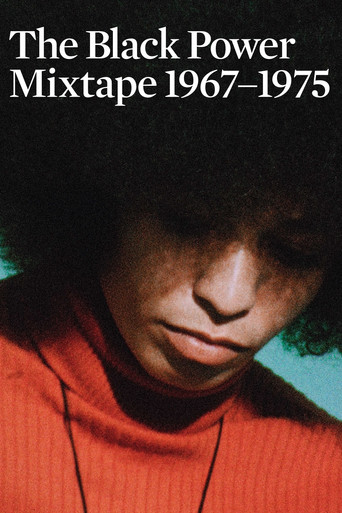
The Black Power Mixtape 1967-1975
Examines the evolution of the Black Power Movement in US society from 1967 to 1975. It features footage of the movement shot by Swedish journalists in the United States during that period and includes the appearances of Angela Davis, Bobby Seale, Huey P. Newton, Eldridge Cleaver, and other activists, artists, and leaders central to the movement.
My People Are Rising
Seattle Black Panther captain Aaron Dixon journeys to Oakland to fight alongside a generation of young people frustrated with injustice.
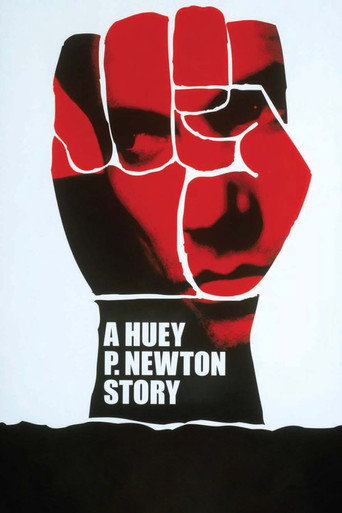
A Huey P. Newton Story
The story of how the radical Huey P. Newton developed the Black Panther Party based on his 10-point program for social reform.
Gallery